
Vegetables
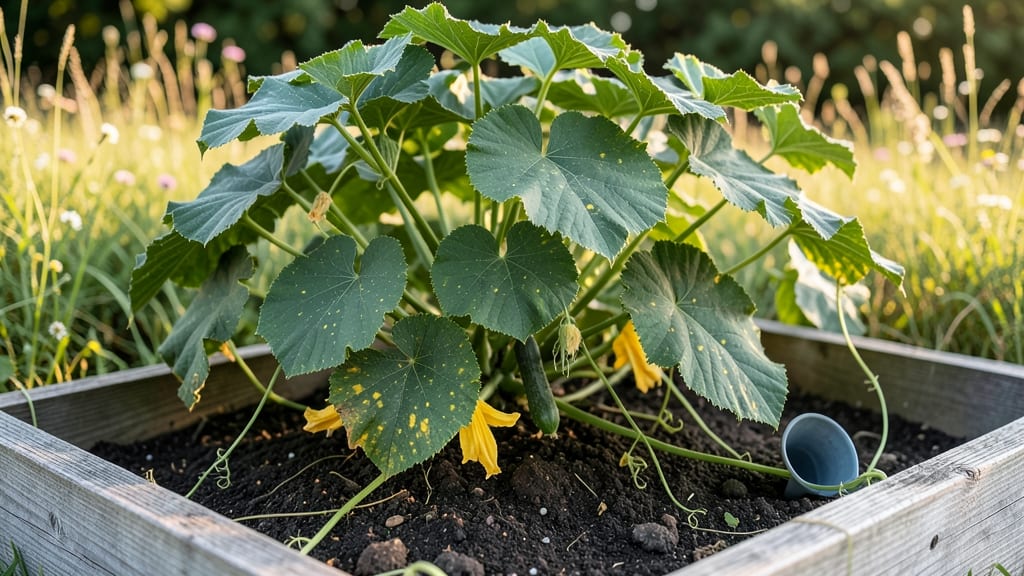
Those tiny yellow eggs on your cucumber leaves aren't just a weird sight—they're a crispy warning sign of cucumber beetles about to hatch and wreck your harvest. 🌱 I've seen firsthand how fast a few eggs turn into a full-blown infestation, stripping leaves and spreading disease in days.
The eggs themselves are harmless, but they mean beetles will arrive within 3-5 days—and those striped or spotted adults chew holes in leaves, spread bacterial wilt, and leave your cucumbers looking like Swiss cheese. The good news?
You can stop this early with simple, effective methods that won't harm your plants or the planet. We'll cover how to identify the eggs, when to act, and zero-waste solutions that work—from DIY sprays to row covers that keep beetles out completely.
No more helplessly watching your plants get destroyed while the eggs multiply. This works for all cucumbers—whether you're growing slicers, pickles, or heirlooms—and the techniques scale from backyard gardens to small plots. Let's get those eggs removed before they become a beetle crisis.
The Hidden Culprits Behind Tiny Eggs
If you’ve spotted those tiny, golden eggs clinging to your cucumber leaves, you’re not just dealing with a pest—you’re witnessing a deliberate reproductive strategy by a sneaky garden invader. These eggs don’t appear by chance; they’re the result of specific conditions that attract their creators.
Let’s break down the science behind why these crispy, golden bites show up on your plants—and how to outsmart them.
The primary culprit behind those yellow eggs is the cucumber beetle (specifically the striped cucumber beetle or spotted cucumber beetle). These beetles don’t just lay eggs randomly—they target cucumbers and other cucurbits because these plants provide the perfect nutrient-rich environment for their larvae to thrive.
Here’s the breakdown of their life cycle and why your cucumbers are a magnet:
- Adult beetles arrive first: They’re drawn to cucumber plants by their strong scent (thanks to volatile organic compounds like cucurbitacins and terpenes). Once they land, they feast on leaves, flowers, and even fruit, weakening the plant.
- Egg-laying timing: Females lay eggs in clusters on the undersides of leaves (especially near veins) during warm, humid conditions. They prefer young, tender leaves because the larvae can burrow in easily.
- Egg color and texture: The yellow hue comes from a protective waxy coating that prevents desiccation. This coating also makes them crispy to the touch—a survival tactic to deter predators like ladybugs.
💡 Pro Tip: Check leaves early in the morning or after rain—beetles are most active then, and eggs are easier to spot when dew is present.
Cucumber beetles are cold-blooded, meaning their activity levels skyrocket when temperatures rise. Here’s how climate plays a role:
- Temperature triggers: Eggs are laid when soil and air temperatures exceed 60°F (15°C). Ideal conditions for egg-laying are between 70–85°F (21–29°C)—think late spring to early summer.
- Humidity matters: High humidity (above 60%) keeps eggs from drying out. That’s why you might see more eggs after evening watering or in shaded, damp areas of the garden.
- Rainfall boosts activity: A light rain can stimulate beetles to mate and lay eggs within 24–48 hours. This is why sudden downpours often precede an egg outbreak.
🌡️ Actionable Insight: If your area is forecasted for warm, humid days, inspect your cucumber plants daily for fresh egg clusters. Early detection = fewer larvae chewing your plants later.
Healthy cucumber plants can resist some beetle damage, but stressed plants are like an all-you-can-eat salad bar for these pests. Here’s what makes your cucumbers a target:
- Nutrient deficiencies: Plants low in nitrogen or potassium produce softer, more palatable leaves that beetles prefer. Look for yellowing leaves (chlorosis) or stunted growth—a red flag for both beetles and nutrient issues.
- Overwatering or drought: Both extremes stress plants. Overwatered soil creates ideal humidity for beetles, while drought-stressed plants produce bitter compounds that actually attract beetles (they’re drawn to plants fighting for survival!).
- Young or overcrowded plants: Beetles favor new growth because it’s tender and undefended. If your cucumbers are planted too close together, poor airflow increases humidity and makes it easier for beetles to move between plants.
💡 Pro Tip: Boost plant resilience by:
- Using balanced fertilizer (10-10-10) to support leaf health.
- Watering deeply at the base (not overhead) to avoid creating beetle-friendly humidity.
- Thinning plants to 12–24 inches apart for better airflow.
Cucumber beetles aren’t picky—they’ll lay eggs on any plant in the Cucurbitaceae family, including:
- Squash
- Pumpkins
- Melons
- Even weeds like buffalo gourd or wild cucumber
If these plants grow within 50 feet of your cucumbers, beetles will treat your garden like a buffet line. Here’s why:
- Weeds act as nurseries: Beetles often start laying eggs on weeds before moving to your prized cucumbers. By the time you notice eggs on your plants, the larvae may already be hidden underground, feeding on roots.
- Polyculture confusion: Beetles get disoriented when multiple host plants are scattered. They’ll hop between them, increasing the chance of egg-laying on your cucumbers.
🔪 Radical Solution: Remove all cucurbit weeds within a 10-foot radius of your garden. If you’re growing multiple plants, space them strategically (e.g., cucumbers in one corner, squash in another) to disrupt beetle movement.
How to Fix the Problem
Got those mysterious yellow eggs on your cucumber leaves? Don’t panic—these tiny invaders are manageable with the right approach! Below, we’ve mapped out practical, step-by-step solutions tailored to the most common causes, from natural remedies to preventive strategies.
Follow the fixes below to reclaim your cucumber patch and keep your harvest thriving.
🔥 Handpick & Trap Them Early If you spot yellow eggs or tiny beetles, act fast!
These pests multiply quickly, so manual removal is your first line of defense. - 👨🍳 Morning Patrol: Check leaves daily (especially undersides) and squish eggs or beetles with your fingers or a damp cloth. - 🥘 DIY Traps: Place yellow sticky traps near plants—cucumber beetles are drawn to the color.
Hang them 1-2 feet above the soil for best results. - 🌿 Row Covers: Use floating row covers (lightweight fabric) to block adults from laying eggs. Secure edges with soil or bricks.
Pro Tip: 💡 Time it right—early morning or late evening is best for handpicking when beetles are sluggish.
🧼 Organic Sprays for Immediate Relief
For a chemical-free fix, try these homemade sprays that disrupt pests without harming your plants (or the planet).
| Pest | Solution | How to Apply |
|---|---|---|
| Cucumber Beetles | Neem Oil Spray (1 tbsp neem oil + 1 tsp dish soap + 1 quart water) | Spray early morning or evening (avoid direct sun—it burns leaves). Repeat every 5-7 days. |
| Aphids | Soapy Water Spray (1 tsp mild soap + 1 quart water) | Directly spray infested areas, focusing on egg clusters and undersides. |
| Spider Mites | Garlic & Chili Pepper Spray (2 crushed garlic cloves + 1 tbsp cayenne + 1 quart water) | Strain, spray, and reapply every 3-4 days. |
Pro Tip: 🌡️ Always test sprays on a small leaf first—some plants (like cucumbers) are sensitive to strong solutions.
Once you’ve kicked the pests out, lock them out with these low-maintenance strategies:
🌿 Companion Planting: Nature’s Pest Repellent
Certain plants confuse or deter cucumber beetles naturally. Try planting these near your cucumbers:
- Marigolds (release a scent beetles hate)
- Nasturtiums (trap aphids away from cucumbers)
- Basil (repels beetles and improves flavor!)
Pro Tip: ✨ Interplant every 2-3 feet for maximum protection.
🕳️ Soil & Mulch Tricks to Starve Eggs
Cucumber beetles lay eggs in warm, moist soil.
Break the cycle with these simple soil hacks: - 🔪 Mulch with Straw or Grass Clippings: A 2-3 inch layer blocks beetles from reaching soil to lay eggs. - 🌱 Rotate Crops: Avoid planting cucumbers (or squash/family members) in the same spot yearly—this disrupts pest life cycles. - 💦 Water Deeply & Early: Wet leaves encourage fungal growth, which deters pests.
Water at the base in the morning to keep foliage dry.
Pro Tip: 🎯 If beetles are a recurring issue, try diatomaceous earth (DE) around the base of plants—it’s a natural, abrasive barrier that kills eggs on contact (but reapply after rain).
If your cucumbers are heavily damaged (chewed leaves, wilting, or yellowing), it’s time for stronger action: - 🪰 Beneficial Insects: Release ladybugs, lacewings, or parasitic wasps (available at garden centers).
They eat cucumber beetle eggs before they hatch! - 💊 Chemical Last Resort: If organic methods fail, use pyrethrin-based sprays (like pyrethrum) only as a last resort—follow label instructions carefully.
Warning: 🚫 Avoid neonicotinoids—they harm bees and can linger in soil, harming future plants.
Final Thought: With consistent monitoring and prevention, you can eliminate yellow eggs and keep your cucumbers pest-free all season. Start today—your future harvest will thank you! 🥒✨
Frequently asked questions
What do those yellow eggs on cucumber leaves actually look like up close?
They're tiny, oval-shaped, and about 1/16-inch long, with a distinctive yellow color that comes from their waxy protective coating. Look on the undersides of leaves near the veins—you'll often see them in small clusters. The eggs are slightly raised and have a slightly shiny appearance when fresh.
How long do I have to remove them before they hatch into beetles?
You have just 3-5 days to act once you spot the eggs. After that, they'll hatch into larvae that burrow into the soil to feed on roots, causing far more damage. Check your plants daily in the morning when dew makes them easier to see.
Can I use regular dish soap to remove these eggs?
Yes, but use it carefully! Mix 1 teaspoon mild dish soap with 1 quart water in a spray bottle and apply directly to the egg clusters. The soap breaks down their protective coating. Test on a small leaf first—some cucumber varieties are sensitive to soap residue.
Will neem oil kill the eggs or just the adult beetles?
Neem oil works best on hatched larvae and adults, but it can also smother unhatched eggs when applied directly. For maximum effectiveness, spray every 5-7 days during warm, humid conditions when beetles are most active. Always apply in the early morning or evening.
What should I do if I find holes in my cucumber leaves after treating the eggs?
Those holes mean the eggs have already hatched and the larvae are feeding. Remove heavily damaged leaves immediately and apply beneficial nematodes (like Heterorhabditis bacteriophora) to the soil—they'll seek out and kill the larvae. For quick relief, use row covers to protect new growth.