
Plants
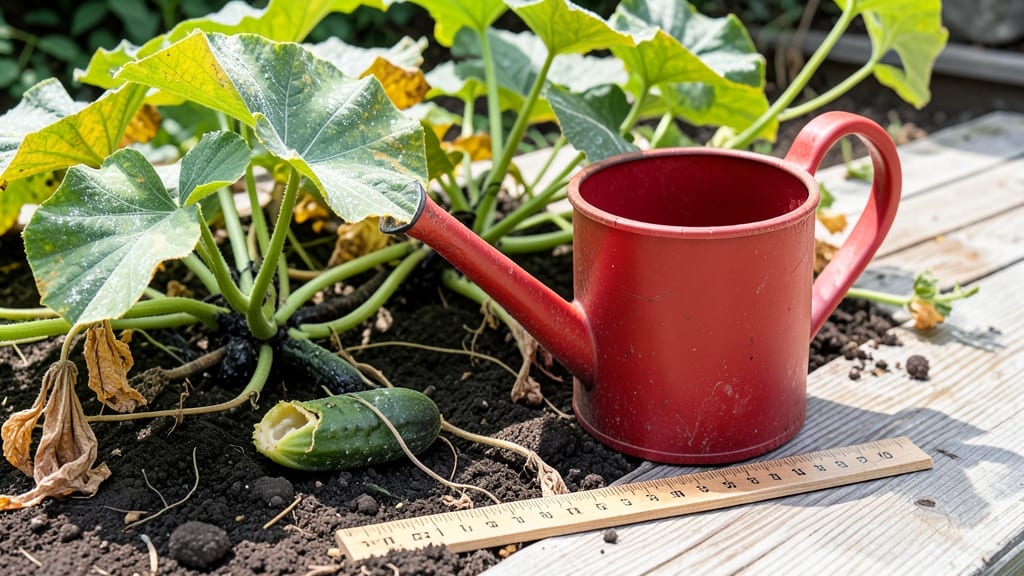
What do overwatered cucumber plants look like—shockingly wilted, with yellowing leaves, limp stems, and roots that turn to mush? 🌱 I’ve seen it happen after just one too many waterings, and it’s heartbreaking to watch a thriving vine collapse because of too much love (yes, water is love, but in moderation).
The first sign is usually yellowing leaves starting at the bottom, paired with a weird, mushy texture when you squeeze the stems. Roots in soggy soil turn brown or black, smelling foul—like a swamp instead of a garden.
Fungal growth might appear as fuzzy white or gray patches, and the soil stays clingy and waterlogged even hours after watering.
What you’ll gain is a plant that recovers quickly if you act fast: improve drainage, let the top inch of soil dry out before watering again, and prune any severely damaged foliage.
Within a week, new green growth signals the plant’s returning strength, and you’ll avoid the dreaded "too late" moment when roots rot beyond saving. This works for all cucumber varieties—whether you’re growing vining types in trellises or bush varieties in containers.
The key is checking soil moisture before watering, and never letting plants sit in standing water.
Root Causes Of Overwatering
Overwatering cucumber plants may seem counterintuitive—after all, plants need water to thrive! 💦 But when roots are submerged in excess moisture for too long, a cascade of physiological stress begins. Let’s break down the key reasons this happens, rooted in science and real-world gardening.
Cucumber plants thrive in well-draining soil, but when containers or garden beds lack proper drainage, water pools around roots instead of flowing away. This creates anaerobic (oxygen-deprived) conditions, which triggers: - Root suffocation: Roots need oxygen to respire and absorb nutrients.
Without it, they start rotting within 24–48 hours of prolonged saturation. - Fungal invasions: Stagnant water breeds pathogens like Pythium and Phytophthora, which attack root tissues, turning them brown and mushy. - Nutrient lockout: Excess water dilutes soil nutrients, making them inaccessible.
Even if you’re fertilizing, roots can’t uptake phosphorus, potassium, or nitrogen efficiently.
Actionable fix: Use raised beds, drill drainage holes in pots, or amend clay-heavy soil with perlite or coarse sand (20–30% by volume).
Many gardeners water cucumbers every day, assuming more is better. But cucumbers have shallow, fibrous root systems that only need 1–1.5 inches of water per week (adjust for heat/drought).
Overwatering leads to: - Osmotic stress: Excess water in the soil creates a high moisture tension, forcing roots to expend energy to expel water instead of absorbing nutrients. - Blossom-end rot (indirectly): While more common in tomatoes, overwatering disrupts calcium uptake, causing leaf yellowing and fruit deformities in cucumbers too. - Weak root growth: Roots grow toward moisture, but constant saturation prevents them from branching outward, leaving plants top-heavy and prone to collapse.
Actionable fix: Water deeply 2–3 times per week (early morning) and check soil moisture 2 inches down—if it’s damp, wait.
Not all overwatering is your fault—weather and soil type play a huge role: - Heavy clay soil: Holds water like a sponge, staying soggy for days after rain.
Cucumbers in these soils need mounding or mulching to encourage evaporation. - High humidity: Slows evaporation, keeping soil wet longer.
In tropical climates, reduce watering by 30% and ensure airflow. - Lack of mulch: Without a 2–3 inch layer of straw or wood chips, soil dries unevenly, leading to patchy overwatering where water pools near the plant base.
Actionable fix: Test your soil’s drainage rate (pour water in a hole—if it drains in <1 hour, it’s good; if it pools, amend it). Use drip irrigation to deliver water slowly at the roots.
Potted cucumbers are high-risk because: - Small pots = fast saturation: A 5-gallon container can dry out in hours, but if you water daily, roots drown in their own waste (yes, plant roots poop excess salts!). - Root circling: When roots hit container edges, they strangle themselves, reducing water transport efficiency.
Overwatering then accelerates rot in these compromised roots.
Actionable fix: Upgrade to at least 10-gallon pots for vining cucumbers and repot every 2–3 months to refresh soil.
Overwatering washes away essential minerals, but it also disrupts pH balance:
- Acidic soil (pH <6.0): Excess water leaches calcium and magnesium, causing interveinal chlorosis (yellowing between leaf veins).
- Salinity buildup: If you use tap water with high sodium, overwatering concentrates salts in the root zone, burning cells and reducing water uptake.
Actionable fix: Flush soil with rainwater or distilled water monthly to leach salts. Test pH and amend with lime (to raise pH) or sulfur (to lower it) as needed.
Key Takeaway: Overwatering isn’t just about too much water—it’s about how, when, and where that water sits. By addressing drainage, watering habits, and soil conditions, you can revive stressed cucumbers and prevent future disasters. 🚀
Revive Your Cucumbers: Fixing Overwatering Damage
Overwatering can turn your thriving cucumber plants into a sad, soggy mess—but don’t panic! With the right steps, you can nurse them back to health and prevent future disasters.
Below, we’ve broken down the most common signs of overwatering and matched them with practical fixes, plus proactive tips to keep your plants happy and hydrated (but not drowning).
If your cucumber leaves are yellowing, drooping, or curling, the roots are likely suffocating from excess moisture. Here’s how to fix it:
🔥 Step 1: Pause Watering Immediately
- Let the soil dry out completely before watering again. Stick your finger 2–3 inches deep—if it’s damp, wait.
- Pro Tip: 💡 If the soil smells sour or moldy, it’s a red flag for root rot. Act fast!
👨🍳 Step 2: Improve Soil Drainage
Overwatering thrives in compacted or heavy soil.
Loosen the soil around the base of the plant with a fork or trowel to help roots breathe. - For containers: Add a 1-inch layer of perlite or coarse sand to the top of the pot to improve drainage. - For garden beds: Mix in compost or organic matter to aerate the soil naturally.
🥘 Step 3: Water Deeply but Less Often
Cucumbers prefer consistent moisture but hate soggy roots. Switch to:
- Deep watering (1–2 inches per week), focusing on the base of the plant (not the leaves).
- Morning watering to reduce evaporation and fungal risks.
If your cucumber plant has soft, mushy stems or black, slimy roots, root rot has set in. Unfortunately, severe cases may mean it’s time to replace the plant, but you can still save others:
🔪 Step 1: Prune Damaged Areas
- Use sterilized scissors to cut off blackened or mushy stems at a healthy node.
- Warning: 🚨 If more than 50% of the plant is affected, it’s often better to remove it entirely to prevent spreading rot.
⏰ Step 2: Repot or Transplant (If Possible)
- If the plant is in a container, repot it into fresh, well-draining soil and a clean pot with drainage holes.
- For garden plants, dig up the root ball, rinse off excess soil, and replant in a new spot with amended soil.
🌡️ Step 3: Fungal Treatment (If Needed)
If you suspect fungal root rot, treat with:
- Neem oil spray (1 tsp neem oil + 1 tsp mild soap per quart of water).
- Hydrogen peroxide (3%)—soak roots in a 1:10 dilution for 10 minutes before replanting.
Once your plants recover, prevent future overwatering with these habits:
💡 Choose the Right Containers
- Always use pots with drainage holes—no exceptions!
- Terracotta pots dry out faster than plastic, making them ideal for cucumbers.
🎯 Mulch to Retain Moisture (Without Overdoing It)
- Apply 2–3 inches of straw or wood chips around the base to retain moisture and suppress weeds.
- Avoid piling mulch against the stem—this can trap moisture and cause rot.
🔥 Monitor Weather & Adjust
- Water less on rainy days—cucumbers can drown in excess rain.
- Use a moisture meter (or your finger) to check soil moisture before watering.
✨ Pick the Right Variety
Some cucumbers handle humidity better than others. Try drought-tolerant varieties like:
- ‘Straight Eight’
- ‘Lemon Cucumber’
- ‘Armenian Cucumber’ (thicker skin resists rot)
Final Thought: Overwatering is one of the easiest mistakes to fix—just drain, dry, and adjust! With these steps, your cucumber plants will bounce back stronger (and you’ll avoid the heartbreak of mushy stems again). 🥒💚
Frequently asked questions about overwatered cucumber plants
How can I tell if my cucumber plant is overwatered vs. underwatered?
Overwatered cucumbers show yellowing leaves (starting at the bottom), mushy stems, and roots that smell foul. Underwatered plants have crispy, brown leaf edges and dry soil that pulls away from pot edges. The key difference? Overwatered soil stays damp for hours, while underwatered soil is bone-dry 2 inches down.
Can overwatered cucumber plants recover if I stop watering immediately?
Early-stage overwatering (yellow leaves, no root rot) can recover in 3-5 days if you let the soil dry completely and improve drainage. If roots are black and slimy, recovery is unlikely—prune damaged parts and repot in fresh soil. Always check roots before deciding to save the plant!
Why do my cucumber leaves turn yellow when I water them every day?
Daily watering creates anaerobic soil (no oxygen), suffocating roots. Cucumbers need 1-1.5 inches of water per week, not daily. The yellowing occurs because roots can't absorb nutrients when drowned. Try watering deeply 2-3 times per week instead—morning watering prevents fungal growth too!
What's the fastest way to fix soggy soil around my cucumber plant?
For containers: Remove the plant, rinse roots, and repot in fresh soil with perlite. For garden beds, dig a 1-inch deep trench around the plant to improve drainage. Add a 2-inch mulch layer (straw/wood chips) to prevent future sogginess. This works within 24 hours for mild cases!
Can I use hydrogen peroxide to save my overwatered cucumbers?
Yes! Mix 1 part 3% hydrogen peroxide with 10 parts water and soak roots for 10 minutes to kill fungus. Replant in sterilized soil and avoid watering for 48 hours. This method works best for early-stage root rot—severe cases may still require removal.