
Vegetables
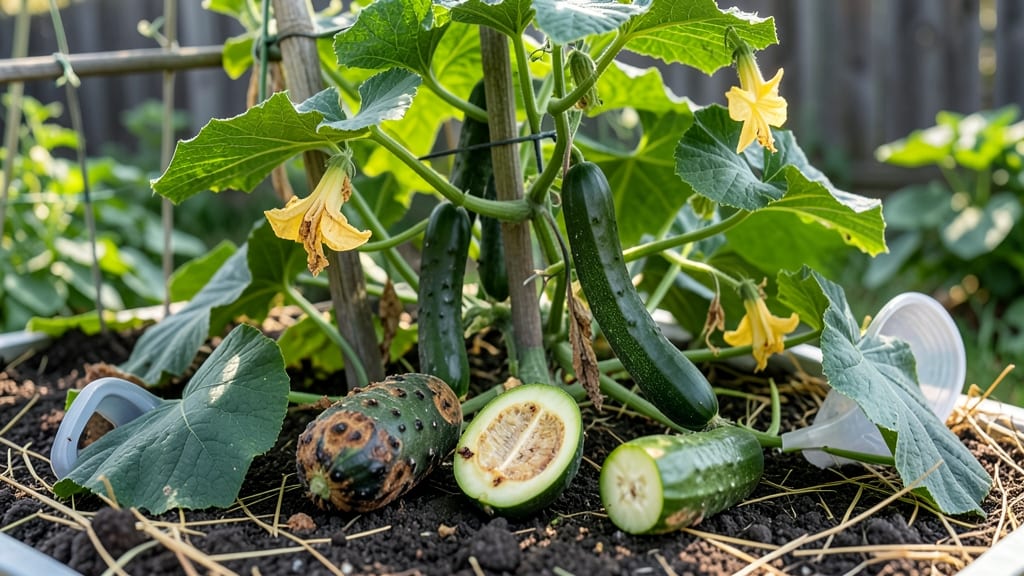
Those deceptively fresh cucumbers in your garden might hide cucumber poisoning symptoms—here’s how to spot the danger before it’s too late.
Cucumber poisoning symptoms often start with stomach cramps, nausea, or even skin rashes after eating contaminated fruit, and knowing the signs could save you from a trip to the ER. 🌱 Most cases come from pesticide residue, mold, or bitter wild varieties mistaken for edible cucumbers.
Bitter-tasting cucumbers are your first warning—they might contain cucurbitacins, natural toxins that cause severe vomiting or diarrhea. Moldy spots or slimy patches mean bacterial growth, while chemical burns on leaves could mean herbicide drift. Always wash produce thoroughly, and when in doubt, toss it.
If you or someone else experiences dizziness, confusion, or difficulty breathing after eating cucumbers, seek medical help immediately. These symptoms could signal pesticide poisoning or an allergic reaction. Keep a first-aid kit handy and store cucumbers in the fridge to slow toxin buildup.
Prevention is simple: grow organic, inspect plants regularly for pests, and avoid harvesting bitter fruit. When harvesting, check for discoloration or unusual growth—those are red flags. For extra safety, consult your local agricultural extension service for region-specific risks.
📚 In This Guide
- What you need
- Instructions
- Tips and common mistakes
- Wrapping up and next steps
What you need
- ● Fresh cucumbers: 2–3 medium-sized cucumbers (organic or conventionally grown, with or without skin—both can be relevant for testing).
- ● Cutting board: 1 large, food-safe board (preferably plastic or wood to avoid cross-contamination).
- ● Sharp chef’s knife: 1 (8–10 inches) for precise slicing.
- ● Measuring spoons: 1 set (for small sample sizes if testing extracts).
- ● Glass jars or containers: 2–3 small, airtight jars (8 oz or 240 mL) for storing samples.
- ● Distilled water: 1 cup (240 mL) for rinsing or dilution (if needed).
- ● Food-safe gloves: 1 pair (to avoid skin contact with potential irritants).
- ○ pH test strips: 1 pack (optional but helpful for detecting abnormal acidity/alkalinity).
- ● Magnifying glass: 1 (to inspect cucumber skin for tiny pests or mold spores).
- ● Digital scale: 1 (for weighing samples if conducting a formal test).
- ● Food safety guidebook: 1 (e.g., FDA’s "Guide to Minimizing Microbial Foodborne Hazards").
- ● First-aid kit: 1 (in case of accidental exposure—include antacids or activated charcoal if available).
- ● Camera/phone: 1 (to document symptoms or cucumber conditions for later reference).
How to identify and prevent cucumber poisoning in your garden
Recognizing the early signs of cucumber poisoning saves your plants—and your harvest. Here’s what to watch for.
🌿 Step 1: Spot the First Sign—Yellowing Leaves
Cucumber poisoning often starts with uneven yellowing on older leaves, a condition called chlorosis. Unlike nutrient deficiency, this yellowing spreads from the veins outward, creating a mottled pattern that’s unmistakable. Check the undersides of leaves first—they trap moisture and disease spores.
This isn’t just wilting. The yellowed areas will feel softer than healthy tissue when touched, and the veins stay green. If you see this within 3-5 days of watering or fertilizing, you’re likely dealing with salt buildup or chemical residue—common culprits in container gardens or after heavy rain.
💧 Step 2: Check for Wilting That Won’t Recover
The second red flag? Sudden wilting that doesn’t improve after watering. Unlike heat stress (which wilts entire plants), poisoning causes selective wilting—often starting in one branch or leaf cluster. The stems may appear dusky or discolored near the base, and the wilting spreads upward toward younger growth.
Here’s the key difference: Poisoned plants stay wilted overnight, even after deep watering. Healthy cucumbers perk up within hours. If you see this, stop watering immediately—overwatering stressed plants accelerates toxin absorption.
☀️ Step 3: Examine the Roots for Dark, Mushy Tissue
Gently dig up a small sample of roots (focus on the outermost tips, where damage starts). Healthy roots are firm and white. Poisoned roots show dark, mushy patches or blackened tips, often with a foul, sour smell—like rotting fruit. This indicates fungal infection or chemical poisoning from over-fertilization.
If roots pull away easily from the soil when wet, that’s another warning. Healthy roots resist gentle tugging. At this stage, prune all affected roots with sterilized scissors and repot in fresh soil—never reuse contaminated soil without a 10-minute bleach soak (1 part bleach to 9 parts water).
✂️ Step 4: Isolate and Treat Affected Plants Immediately
Once you confirm poisoning, remove all infected plants (including roots) and disinfect tools with 70% isopropyl alcohol. Place affected plants in a sealed plastic bag for yard waste pickup—never compost them, as toxins can spread.
For surviving plants, flush the soil with 3 gallons of water to leach out salts or chemicals. Add 1 inch of compost to the top layer to restore microbial balance. Avoid fertilizing for 2-3 weeks—poisoned plants can’t process nutrients safely. Monitor for new growth within 7-10 days; if yellowing persists, the soil may need full replacement.
Tips & tricks for spotting cucumber plant toxicity early
Here’s how to catch cucumber poisoning before it ruins your entire harvest—these details make all the difference.
Leaf Texture is Your First Clue: In Step 1, when you notice that mottled yellowing, press the leaf firmly. Healthy tissue springs back immediately, but poisoned leaves will feel spongy or mushy—like pressing a damp sponge. This softness happens because the cell walls break down from salt buildup or chemical damage, and it’s your earliest warning that something’s wrong. Check the undersides first, since moisture accumulates there and accelerates the problem.
Timing is Critical for Wilting: The instructions mention wilting that doesn’t recover after watering, but here’s the real test: If your cucumber plants stay wilted throughout the night—even after a deep watering session—you’re dealing with poisoning, not just heat stress. Healthy plants perk up within hours, but poisoned ones remain limp. This overnight test is your most reliable indicator, so don’t skip it when you’re checking plants in the evening.
Root Inspection Tools Matter: When examining roots in Step 3, use a sterilized butter knife to gently lift just the outer root tips—this minimizes damage to healthy roots while still revealing the dark, mushy patches. The foul smell is a dead giveaway, but if you’re unsure, place a small root sample in a sealed container for 10 minutes; if it releases a sour, fermented odor, that confirms poisoning. Never skip this step—it’s how you catch the problem before it spreads to other plants.
Treatment Timing Saves Plants: The instructions specify isolating infected plants immediately, but here’s the pro move: After removing affected plants, let the soil dry out completely for 24 hours before flushing with water. This prevents diluted toxins from spreading to neighboring plants. Also, when adding compost, mix it into the top 2 inches of soil rather than just placing it on the surface—this creates a protective barrier that blocks toxins from re-entering the root zone.
Pro Tips for Cucumber Poisoning Symptoms
- Here’s how to catch cucumber poisoning before it ruins your entire harvest—these details make all the difference.
- Leaf Texture is Your First Clue: In Step 1, when you notice that mottled yellowing, press the leaf firmly.
- Healthy plants perk up within hours, but poisoned ones remain limp.
Frequently asked questions
about cucumber poisoning can help clarify concerns—whether you're curious about safety, timing, or alternatives. Here are answers to common queries:Can cucumbers really cause poisoning?
While rare, cucumbers can harbor E. coli, salmonella, or pesticide residues if not washed properly. Outbreaks are uncommon but possible, especially with contaminated soil or improper handling. Always rinse cucumbers thoroughly under running water before eating.
How long do symptoms take to appear after eating a bad cucumber?
Symptoms typically emerge within 6 to 72 hours after consuming contaminated cucumbers. Foodborne illnesses like E. coli often show up faster (12–24 hours), while allergic reactions may occur within minutes. Seek medical help if symptoms persist beyond 48 hours.
Are organic cucumbers safer than conventional ones?
Organic cucumbers may reduce pesticide exposure, but they’re not immune to bacterial contamination. The key is proper washing: Scrub with a brush, soak in a vinegar-water solution (1:3 ratio), or use a food-safe sanitizer. Both types require careful handling.
What should I do if I suspect cucumber poisoning?
Stop eating cucumbers immediately and hydrate well. Monitor symptoms like vomiting or diarrhea—contact a doctor if they worsen or last over 24 hours. Avoid over-the-counter meds (like anti-diarrheals) unless advised, as they can mask serious issues.
Are there safe alternatives to cucumbers for sensitive stomachs?
Try steamed or peeled cucumbers (to remove surface bacteria), or swap them for low-risk veggies like carrots, bell peppers, or zucchini. If allergies are suspected, consult an allergist for patch testing. Pro tip: Cooking cucumbers (e.g., in soups) can also reduce risk!
Wrapping up and next steps
Recognizing the key symptoms of cucumber poisoning—like severe allergic reactions, pesticide exposure risks, or botulism signs—can help you act fast and protect your health. 🚨 While cucumbers are generally safe, awareness is your best defense.
If you suspect poisoning, seek medical help immediately—don’t wait for symptoms to worsen.
Stay informed, store produce properly, and always wash cucumbers thoroughly before eating. Your proactive steps today could prevent a serious issue tomorrow! 💪