
Container Gardens
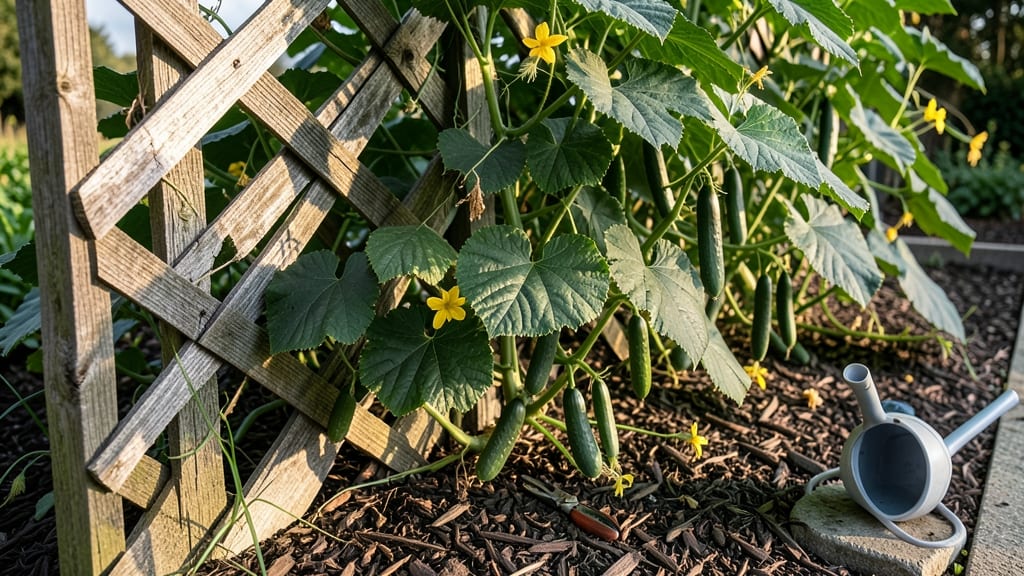
See these growing cucumbers pictures of thriving vines—nothing beats harvesting crisp, homegrown cucumbers straight from the vine, especially when you’ve mastered their growth stages from seed to harvest. 🌱 tiny seedlings to sprawling vines heavy with fruit.
The right visual cues tell you exactly when to trellis, prune, and harvest for the best results.
Most beginners struggle with two things: overwatering (which causes root rot) and poor support (leading to tangled, diseased plants). But once you recognize the signs—like yellowing leaves or cucumbers that never set fruit—you’ll adjust quickly.
I’ll show you how healthy vines look at each stage, so you can spot problems before they derail your harvest.
By the end of this guide, you’ll know exactly what to look for—from the first true leaves to the perfect time to pick cucumbers. The payoff? A garden full of vibrant, productive vines that keep giving all season long. Let’s get those cucumbers growing right!
Whether you’re working with containers or in-ground beds, these visual milestones apply everywhere. You’ll see the difference in just a few weeks—trust me, your first homegrown cucumber will change how you garden forever.
📚 In This Guide
- What you need
- Instructions
- Tips and common mistakes
- Wrapping up and next steps
What you need
- ● Container: 5-gallon bucket or larger (at least 12" deep) with drainage holes. Pro tip: 💡 Use fabric grow bags for better aeration!
- ● Potting Soil: 1 bag (1-2 cubic feet) of high-quality, well-draining container mix (avoid garden soil—it compacts!).
- ● Cucumber Seeds or Seedlings: Seeds: 2-3 per container (or 1 seedling if transplanting). Choose varieties like Bush Champion (compact) or Straight Eight (classic slicing).
- ● Seedlings: 1 per container (check local nurseries for disease-resistant options!).
- ● Fertilizer: Balanced (10-10-10) or organic: 1 tbsp per plant at planting time.
- ● Slow-release granules: Mix 1 cup into soil for steady nutrients.
- ○ Trellis or Cage: 3-4 ft tall (optional but highly recommended for vertical growth and airflow!).
- ● Mulch: Straw or shredded leaves (1-2 inches) to retain moisture.
- ● Hand trowel for soil adjustments.
- ● Watering can with a spout (or hose with gentle nozzle).
- ● Plant ties or soft twine for securing vines to trellises.
- ● Compost or worm castings for extra nutrients.
- ● Pruning shears (for managing overgrowth).
- ● Shade cloth (if growing in hot climates—cucumbers prefer 60-75°F!).
Step-by-step instructions for cultivating healthy cucumber vines
Let’s focus on the essentials for strong, productive cucumber plants—no guesswork, just proven techniques.
🌱 Step 1: Select the Right Location and Prepare the Soil
Cucumbers thrive in full sun, so choose a spot that receives at least 6-8 hours of direct sunlight daily. If your garden gets afternoon shade, opt for bush varieties like 'Bush Champion' instead of vining types. Test your soil’s pH—cucumbers prefer a slightly acidic to neutral range of 6.0-6.8. If your soil is heavy clay or sandy, amend it with 2-3 inches of compost mixed into the top 12 inches of soil.
Work the compost in thoroughly—you’ll see the difference when roots encounter loose, nutrient-rich soil. Avoid fresh manure, which can burn tender cucumber roots. If your soil drains poorly, raise beds or add a 1-inch layer of perlite to improve aeration. The goal is soil that holds moisture but doesn’t stay soggy, as cucumbers hate "wet feet."
🌿 Step 2: Plant Seeds or Transplants at the Correct Time and Depth
Start seeds indoors 2-3 weeks before your last frost date or sow directly in the garden after soil temperatures reach 60°F. Plant 3-4 seeds per hill, spacing hills 3-4 feet apart for vining varieties or 2 feet apart for bush types. Dig holes 1 inch deep—any deeper delays germination because the seedling struggles to reach the surface.
Thin seedlings to the strongest plant per hill once they develop 2-3 true leaves. Here’s the thing—don’t rush this step. Weak, crowded seedlings invite disease and compete for nutrients. If you’re transplanting starts, bury them deeper than their current soil line to encourage stronger root growth. Water gently after planting to settle the soil around roots.
☀️ Step 3: Provide Support and Consistent Watering
Cucumbers are heavy vines, so install 5-6 foot trellises or sturdy cages at planting time. Train vines upward as they grow—this improves air circulation, reduces disease risk, and makes harvesting easier. Water deeply 1-2 inches per week, aiming for the soil base rather than overhead. Keep soil consistently moist but never waterlogged; cucumbers need steady hydration to develop crisp fruit.
Here’s how to check moisture: Stick your finger 1 inch into the soil. If it feels dry, water. If it’s damp, wait. Mulch with 2-3 inches of straw or shredded leaves to retain moisture and suppress weeds. Avoid wetting foliage during watering—this encourages powdery mildew. Early morning watering gives leaves time to dry before evening humidity sets in.
✂️ Step 4: Prune and Fertilize for Maximum Yield
Pinch off the first flowers that appear if your plants are small or stressed—they’ll produce fruit, but the plant needs energy to establish strong vines first. Once established, let flowers develop into fruit, but prune aggressively to improve airflow. Remove any leaves touching the ground or crowded against the trellis. You’ll know you’re doing it right when you see sunlight reaching all parts of the plant.
Fertilize lightly with a balanced 10-10-10 or 5-10-10 formula when vines start running. Too much nitrogen makes plants grow leaves instead of fruit. Switch to a low-nitrogen, high-phosphorus fertilizer (like 3-12-6) once flowers appear. Watch for signs of deficiency—yellow leaves mean more nitrogen, while weak stems signal phosphorus needs.
🍉 Step 5: Harvest at Peak Ripeness for Best Flavor
Harvest cucumbers when they’re 6-8 inches long and firm to the touch—this ensures maximum flavor and prevents bitterness. Use pruning shears or a sharp knife to cut stems cleanly, leaving a small stub. Check vines every 2-3 days during peak production; overripe cucumbers drain energy from the plant and attract pests.
Real talk: If you see cucumbers turning yellow or developing a waxy coating, they’ve passed their prime. Store harvested cucumbers in the fridge for up to 1 week. The more you pick, the more your plants produce—this is the secret to a continuous harvest. Save seeds from heirloom varieties by letting a few cucumbers fully ripen on the vine before scooping out the seeds.
Tips & tricks for thriving cucumber vines
Here's what nobody tells you about growing cucumbers—these are the details that separate a decent harvest from a bountiful one.
Sunlight Strategy: While the instructions call for 6-8 hours of direct sunlight, I've found that cucumbers actually perform best with morning sun and afternoon shade in hot climates. If your garden gets intense afternoon sun, consider using shade cloth (30-50%) during peak heat hours to prevent leaf scorch. The goal is consistent energy without stressing the plants—think of it as giving them a midday break.
Soil Preparation Secret: The 2-3 inches of compost mixed into the top 12 inches of soil is non-negotiable, but here's the thing about soil texture: cucumbers hate compacted soil. After amending, run a garden fork vertically through the planting area to create air pockets. This mimics the loose, aerated conditions of well-aged garden beds and prevents root suffocation. The difference in vine vigor is noticeable within weeks.
Watering Wisdom: That 1-2 inches per week guideline is a starting point, but real-world conditions vary dramatically. I check soil moisture every morning by pressing my finger 1 inch deep—if it's dry at that depth, water deeply until moisture reaches 6 inches down. The key is consistency: cucumbers develop bitter flavors when their water supply fluctuates. Use drip irrigation or soaker hoses to deliver water directly to the roots without wetting foliage, which is especially critical during humid weather.
Pruning Precision: When the instructions mention pruning to improve airflow, they're not exaggerating. I've seen cucumber plants go from struggling to thriving simply by removing just 10% of the foliage. Focus on eliminating leaves that touch the ground (they rot) and any that crowd against the trellis. This sunlight exposure isn't just about aesthetics—it's what triggers the plant's natural defense mechanisms against powdery mildew. Think of it as creating a mini-greenhouse environment where air can circulate freely.
Pro Tips for Growing Cucumbers Pictures
- Here's what nobody tells you about growing cucumbers—these are the details that separate a decent harvest from a bountiful one.
- Sunlight Strategy: While the instructions call for 6-8 hours of direct sunlight, I've found that cucumbers actually perform best with morning sun and afternoon shade in hot climates.
- Soil Preparation Secret: The 2-3 inches of compost mixed into the top 12 inches of soil is non-negotiable, but here's the thing about soil texture: cucumbers hate compacted soil.
Frequently asked questions
Got questions about growing cucumbers?
Whether you're a beginner or a seasoned gardener, these answers will help you cultivate healthy vines and a bountiful harvest—with pictures to guide you every step of the way!
How long does it take for cucumber plants to grow from seed?
Cucumber plants typically sprout within 7–14 days after planting seeds. Once germinated, they’ll start flowering in 4–6 weeks and produce cucumbers in 50–70 days, depending on the variety. Pro tip: Use warm soil (at least 60°F) and keep seeds moist for faster germination!
Can I grow cucumbers in containers, and what size pot do I need?
Cucumbers thrive in containers as long as the pot is at least 12–18 inches deep and 12–18 inches wide. Choose a container with drainage holes and use a lightweight potting mix enriched with compost. Bonus: Trellising saves space and improves air circulation!
Why are my cucumber leaves turning yellow, and how do I fix it?
Yellowing leaves often signal overwatering, nutrient deficiency, or disease. Check the soil—it should be moist but not soggy. If leaves curl or develop spots, it may be powdery mildew (common in humid conditions). Solution: Prune affected leaves, improve airflow, and apply neem oil if needed.
Do cucumbers need full sun, and how many hours of sunlight do they require?
Yes! Cucumbers are sun-lovers and need 6–8 hours of direct sunlight daily. In hot climates, provide afternoon shade to prevent wilting. Alternative: If your garden lacks sun, try bush varieties like ‘Bush Champion’ for smaller spaces.
What’s the best way to harvest cucumbers to encourage more production?
Pick cucumbers frequently (every 2–3 days) when they’re firm and bright green. Leaving them too long on the vine can reduce yield and attract pests. Use pruning shears or scissors to avoid damaging the plant. Fun fact: Harvesting early also improves flavor!
Wrapping up and next steps
Growing cucumbers in containers is a rewarding journey that combines a little patience, the right techniques, and a dash of creativity! 🌱 With the visual guide and tips you’ve explored—from selecting the perfect variety to troubleshooting common issues—you’re now equipped to nurture thriving vines and enjoy a bountiful harvest.
Whether you’re a beginner or a seasoned gardener, every slice of fresh cucumber from your own container garden will taste like success!
Ready to get started? Grab your supplies, pick a sunny spot, and plant those seeds! Share your progress with pictures—we’d love to see your cucumber-growing adventures unfold. Happy gardening! 🌿