
Planting
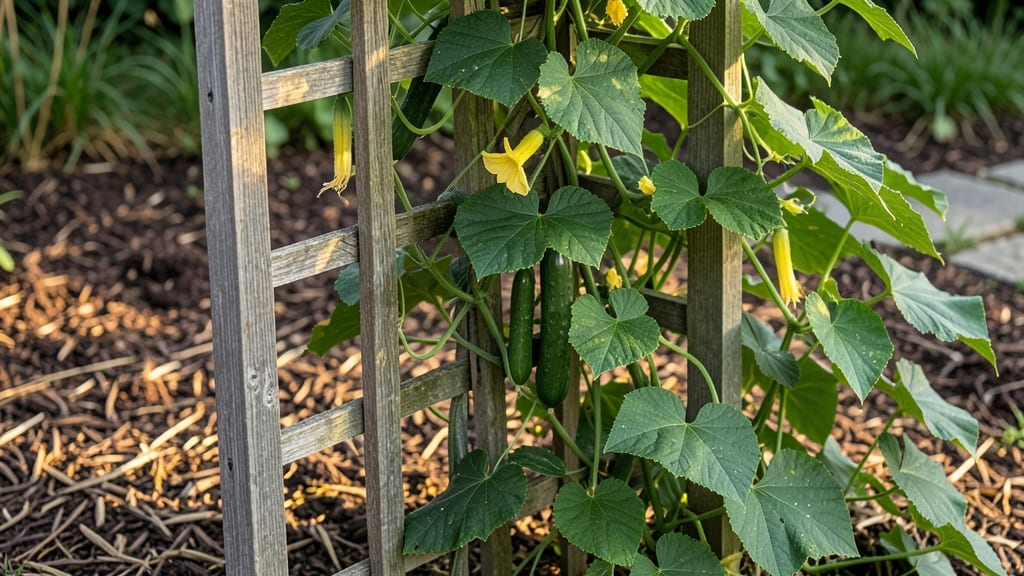
A fully grown cucumber plant stretches 6-8 feet tall with vines sprawling 10+ feet—unless you train it vertically. 🌿 I’ve watched mine climb trellises like jungle explorers, producing pounds of cucumbers in just 8 weeks after planting.
The key isn’t just space; it’s knowing when to prune, how to water, and when to harvest before the bees get there first. The moment you spot yellow flowers turning into tiny cucumbers and see leaves the size of your hand, you’re in the golden zone.
That’s when you’ll need strong trellises, consistent watering (1-2 inches per week), and regular pruning to keep air flowing. Ignore this, and you’ll end up with powdery mildew or bitter fruit—trust me, I’ve been there.
What you’ll actually get is a never-ending harvest if you pick cucumbers every 2-3 days. The plants keep producing as long as you remove old fruit and feed them every 2-3 weeks with compost tea. My container-grown plants gave me 30+ cucumbers in a single summer—no greenhouse needed.
This works for balconies, patios, or small yards—just pick the right variety (like ‘Spacemaster’ or ‘Bush Champion’) and follow the care rules. Here’s how to keep them thriving all season long.
📚 In This Guide
- What you need
- Instructions
- Tips and common mistakes
- Wrapping up and next steps
What you need
- ● Container: At least 5-gallon bucket (or larger—10+ gallons for vining varieties). Ensure it has drainage holes!
- ● Potting Mix: High-quality, well-draining soil (e.g., Miracle-Gro Potting Mix or FoxFarm Ocean Forest). Avoid garden soil—it compacts!
- ● Cucumber Seeds or Seedlings: Seeds: 2-3 per container (choose bush varieties like ‘Bush Champion’ or vining types like ‘Straight Eight’).
- ● Seedlings: 1 per container (transplant after last frost).
- ● Fertilizer: Balanced, water-soluble fertilizer (e.g., 10-10-10 NPK) or compost for organic growth.
- ● Trellis or Cage: 5-6 ft tall (for vining varieties) to save space and improve airflow.
- ● Gloves (to protect your hands from prickly vines).
- ● Watering Can (with a rose attachment for gentle watering).
- ● Pruning Shears (to trim vines and encourage bushier growth).
- ○ pH Test Kit (optional but handy—cucumbers thrive in pH 6.0–6.8).
- ● Mulch (e.g., straw or shredded leaves) to retain moisture.
- ● Sunlight: 6–8 hours of full sun daily (containers dry out faster—place in a sunny spot!).
- ● Temperature: 70–90°F (cucumbers are heat-lovers but avoid frost!).
- ● Water: 1–2 inches per week (keep soil consistently moist, not soggy).
How to maintain a thriving container-grown cucumber plant
Here’s how to keep your cucumber plant producing fruit continuously, even in containers.
🪴 Step 1: Select the Right Container and Soil Mix
Cucumbers need room to sprawl, so choose a container that’s at least 18 inches deep and wide—this gives roots space to establish and prevents overcrowding. I use fabric grow bags because they allow roots to breathe and dry faster, reducing rot risk. If using plastic, drill extra drainage holes.
Fill the container with a lightweight, well-draining mix. I blend 50% potting soil, 30% compost, and 20% perlite or coconut coir to ensure aeration. Avoid garden soil—it compacts and suffocates roots. Add a handful of worm castings at the bottom for extra nutrients.
☀️ Step 2: Position for Maximum Sun and Airflow
Cucumbers thrive in full sun (6-8 hours daily), but they also need airflow to prevent mildew. Place your container on a patio or balcony where it gets morning sun and afternoon shade if temperatures exceed 85°F. South-facing spots work best in cooler climates, while east or west exposures suit hotter regions.
If your space lacks direct sun, supplement with a grow light positioned 12-18 inches above the plant for 14-16 hours daily. You’ll notice yellowing leaves or stunted growth if light is insufficient—this is your cue to adjust. Rotate the container weekly so the plant grows evenly toward the light.
💧 Step 3: Water Deeply and Consistently
Cucumbers have shallow roots, so watering deeply 2-3 times weekly keeps them happy. Stick your finger 1-2 inches into the soil—if it feels dry, it’s time to water. Use a watering can with a narrow spout to direct moisture to the base, avoiding wet foliage, which invites fungal diseases.
Mulch with 2-3 inches of straw or shredded leaves to retain moisture and regulate soil temperature. You’ll see fewer wilting leaves and more consistent fruit production once the soil stays evenly damp. Avoid letting the plant sit in soggy soil—root rot spreads fast and kills vines within days.
✂️ Step 4: Prune and Train for Bigger Harvests
Pinch off the first few flowers that appear to encourage stronger vine growth. Once the plant establishes, let it grow freely but prune any yellow or diseased leaves immediately. Use soft ties or a small trellis to guide vines upward—this saves space and improves airflow, reducing pest risks.
For bush varieties, trim side shoots to 3-4 leaves to focus energy on fruit production. If using a trellis, train the main vine along the support and remove any suckers (side shoots) that form in the leaf axils. You’ll notice thicker stems and heavier fruit loads within weeks of consistent pruning.
🌿 Step 5: Fertilize and Monitor for Pests
Feed your cucumber plant every 2-3 weeks with a balanced liquid fertilizer (10-10-10 or 5-5-5). I mix it at half-strength to avoid burning roots. Organic options like fish emulsion or compost tea work well too. Stop fertilizing once flowers appear to prevent excessive leaf growth at the expense of fruit.
Check the undersides of leaves weekly for aphids, spider mites, or cucumber beetles. Spray with neem oil or insecticidal soap at the first sign of pests. Yellowing leaves or chewed vines mean it’s time to act—these pests spread fast and can defoliate a plant in days. Healthy plants develop a deep green color and glossy leaves.
Tips & tricks for thriving container-grown cucumbers
Even the most experienced gardeners hit snags with container cucumbers—here's how to sidestep the common pitfalls and keep your plants productive all year.
Container Selection: If you're limited to smaller containers, opt for bush cucumber varieties like 'Bush Champion' or 'Spacemaster' that naturally stay compact. For larger containers, consider adding a second trellis to support two vines—this doubles your harvest potential without doubling your space. The key is ensuring that container depth matches your cucumber variety's root needs, with at least 18 inches being non-negotiable for most types.
Lighting Strategy: When supplementing with grow lights, position them slightly to one side rather than directly overhead to encourage the plant to grow toward the light source. This creates a more natural growth pattern and prevents the plant from becoming leggy. I've found that using a timer for the 14-16 hours of light helps maintain consistent growth patterns, especially during shorter winter days when natural light is limited.
Watering Wisdom: The 2-3 times weekly watering guideline works best when you consider your specific climate. In hotter regions, you might need to water daily during peak summer months, while cooler climates can often stretch to every other day. Always water in the morning to allow foliage to dry completely before evening, which significantly reduces powdery mildew risk. A moisture meter can be your best friend here—aim to keep soil consistently moist but never soggy.
Pruning Pro Tip: When training vines on a trellis, use soft plant ties that can stretch as the vine grows rather than rigid materials that can damage the stem. I've had success with old t-shirts cut into strips—they're gentle on plant tissue and won't cut into the vine as it thickens. Remember that bush varieties need less aggressive pruning than vining types, so adjust your approach based on what you're growing.
Pro Tips for Fully Grown Cucumber Plant
- Even the most experienced gardeners hit snags with container cucumbers—here's how to sidestep the common pitfalls and...
- Container Selection: If you're limited to smaller containers, opt for bush cucumber varieties like 'Bush Champion' or...
- Lighting Strategy: When supplementing with grow lights, position them slightly to one side rather than directly overh...
Frequently asked questions
Got questions about nurturing a fully grown cucumber plant? You’re not alone! Whether you’re a first-time gardener or a seasoned green thumb, these answers will help you grow like a pro—even in containers.
How long does it take for a cucumber plant to fully grow?
A cucumber plant typically reaches maturity (ready for harvesting) in 50–70 days from planting, depending on the variety. Vining types (like ‘Straight Eight’) take longer, while bush varieties (like ‘Bush Champion’) mature faster. Start seeds indoors 2–3 weeks before the last frost for a head start!
Can you harvest cucumbers from a fully grown plant all year?
With the right care, yes! In warm climates, cucumbers thrive year-round. In cooler zones, use containers with grow lights or extend the season with row covers. Prune regularly to boost airflow and production—just pick fruits often to encourage more growth.
Why aren’t my cucumbers growing on a fully mature plant?
If your plant is mature but not fruiting, check these fixes:
- Pollination issues: Hand-pollinate flowers with a paintbrush if bees are scarce.
- Lack of sunlight: Move to a sunnier spot (6+ hours/day).
- Overcrowding: Thin plants to 12–24 inches apart for better airflow.
- Nutrient deficiency: Feed with compost or a balanced fertilizer (10-10-10).
What’s the best container size for a fully grown cucumber plant?
Aim for a 5-gallon container minimum (bigger is better!). Vining varieties need 10+ gallons and a trellis to climb. Use well-draining soil with compost, and add a 3–5 inch layer of mulch to retain moisture. Pro tip: Elevate containers for better drainage!
Can I reuse soil from a fully grown cucumber plant?
Yes, but sterilize it first to prevent disease. Mix old soil with fresh compost (1:1 ratio) and add perlite for drainage. Avoid reusing soil if the plant showed signs of powdery mildew or wilting. Rotate crops yearly to keep nutrients balanced.
Wrapping up and next steps
Growing a fully grown cucumber plant in containers isn’t just possible—it’s a rewarding way to enjoy fresh, homegrown produce year-round! With the right container, soil, and care, you’ll unlock a steady harvest of crisp, delicious cucumbers, even in small spaces.
Whether you’re a beginner or a seasoned gardener, these secrets make container gardening accessible and fun.
Now that you’re armed with the know-how, roll up your sleeves and get planting! Start with a single container, experiment with varieties, and watch your green thumb grow. Happy gardening—your first cucumber is waiting! 🌱🥒