
Planting
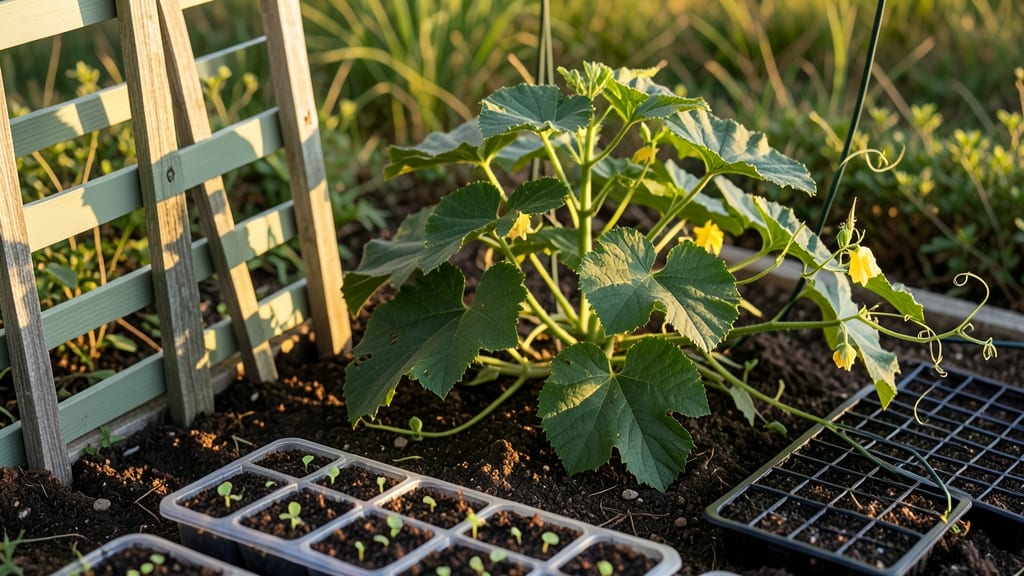
Planting cucumber seeds isn't just about sticking them in the dirt—it's about unlocking fast germination that gets you vines climbing in record time. 🌱 I've learned the hard way that proper soil warmth, depth, and moisture make all the difference between waiting weeks for sprouts or seeing them push through in just 3-5 days.
The secret lies in mimicking their tropical origins right from the start.
You'll need well-draining soil warmed to at least 70°F, seeds planted 1 inch deep, and consistent moisture without soggy soil. Most beginners overcrowd seeds, thinking more plants mean more cucumbers—but proper spacing (2-3 feet apart) gives each vine room to thrive.
A sunny spot with 6-8 hours of direct light is non-negotiable for those speedy sprouts.
Once those first green shoots appear, you'll be hooked on the progress. The vines grow fast, so plan for trellises or sturdy supports to keep them off the ground.
With the right care, you'll go from seed to first cucumber in just 50-60 days—and the flavor? Worth every minute of the wait.
This method works for both bush and vining varieties, though vining types need more space. Whether you're growing in raised beds or containers, these hacks cut down on common mistakes like rot or slow starts. Let's get those seeds sprouting!
📚 In This Guide
- What you need
- Instructions
- Tips and common mistakes
- Wrapping up and next steps
What you need
- ● Cucumber seeds: 3–5 seeds per plant (or 10–15 for a small garden). Choose heirloom or hybrid varieties based on your preference.
- ● Containers or garden bed: For indoor starts: 4–6 inch deep pots (biodegradable or plastic) with drainage holes.
- ● For direct sowing: Loose, well-draining soil in a sunny spot (6+ hours of sunlight daily).
- ● Potting mix or garden soil: Lightweight, fertile mix with compost (avoid heavy clay soil).
- ● Watering can or spray bottle: Gentle watering is key—no drowning those seeds!
- ○ Plant labels: Optional but helpful for tracking varieties.
- ● Seedling heat mat: Speeds up germination (70–85°F ideal).
- ● Grow lights: If starting indoors before last frost.
- ● Fertilizer: Balanced organic fertilizer (5-5-5 or compost tea) for transplanting.
- ● Row cover or plastic wrap: Retains moisture for faster sprouting.
- ● Trowel or small shovel: For digging planting holes in garden beds.
Step-by-Step instructions for planting cucumber seeds
Here's how I get cucumbers sprouting in just 3-5 days—no waiting weeks in the cold frame.
🌱 Step 1: Pre-Soak Seeds for Faster Germination
Cucumber seeds have tough outer shells that slow germination. Soak them overnight in a bowl of lukewarm water—this softens the coating and triggers faster sprouting. I use a 1:1 ratio of seeds to water and let them sit for 12 hours. You'll see the water turn slightly cloudy as the seeds absorb moisture.
After soaking, drain the seeds and wrap them in a damp paper towel. Place the towel inside a sealed plastic bag and set it in a warm spot (70-80°F)—a sunny windowsill or on top of the fridge works perfectly. Check daily for moisture; if the towel dries out, mist it lightly. Within 24-48 hours, you'll see tiny white sprouts pushing through the seed coat—that's your cue to plant.
🪴 Step 2: Prepare Containers and Warm Soil
Use 4-inch deep pots or seedling trays filled with warm, well-draining soil. I mix 1 part compost with 2 parts potting mix to give seedlings a nutrient boost. Heat the soil slightly by placing the pots in a sunny window for an hour before planting—this mimics the warmth cucumbers love.
Plant the pre-sprouted seeds ½ inch deep, two per pot. Space them 1 inch apart to prevent crowding. Gently press the soil around the seeds to ensure good contact, but don’t compact it too tightly. Water lightly from the bottom to avoid displacing the seeds—just enough to moisten the soil without soaking it.
☀️ Step 3: Provide Heat and Humidity for Rapid Growth
Cucumbers germinate fastest in warmth and humidity. Place the pots under a grow light or in a sunny window where temperatures stay above 65°F. If your home runs cooler, use a seedling heat mat to keep soil temps between 75-85°F—this cuts germination time in half.
Cover the pots with a clear plastic dome or plastic wrap to trap humidity. Check daily for condensation; if the inside fogs up, remove the cover for 30 minutes to prevent mold. Within 3-5 days, you’ll see first true leaves emerge—thick and vibrant. Once they appear, remove the cover completely to harden off the seedlings.
💧 Step 4: Transplant When Seedlings Are Strong
Wait until seedlings have 2-3 sets of true leaves before transplanting—this usually takes 7-10 days after germination. Harden them off by placing the pots outside in partial shade for 2 hours the first day, then gradually increase exposure over 5-7 days. Watch for sturdy stems and deep green leaves—these are signs they’re ready for the garden.
Plant seedlings 12-18 inches apart in well-draining soil enriched with compost. Bury them deeper than the seedling pot—cucumbers have long stems, and extra soil encourages root growth. Water deeply at the base to settle the soil and avoid disturbing the roots. Mulch with straw or grass clippings to retain moisture and speed up establishment.
Tips & tricks for fast cucumber seed germination
These insider tricks will help you skip the weeks-long wait and get those cucumber sprouts popping in record time.
Soaking Secret: The 12-hour soak is your germination game-changer—don't skip it! Use a small bowl with lukewarm water (not hot) and place it in a warm spot like your kitchen counter. I've found that adding a pinch of compost tea to the soaking water gives seedlings a subtle nutrient boost right from the start. The cloudy water confirms the seeds are actively absorbing moisture, which is exactly what triggers those first sprouts.
Temperature Matters: Those 70-80°F temperatures in Step 1 aren't just suggestions—they're crucial. If your home runs cooler, try placing the soaking bowl on top of your fridge for 30 minutes before starting. For the seedling heat mat in Step 3, I recommend the Vivosun seedling heat mat—it maintains consistent temps and cuts germination time by nearly half. Pro tip: Check soil temps with a simple thermometer if you're unsure—cucumbers won't sprout well below 65°F.
Humidity Hack: When covering your pots in Step 3, don't just use any plastic wrap—opt for clear plastic food wrap that's slightly larger than your pots. This creates better airflow while still trapping humidity. I poke tiny holes with a toothpick if condensation builds up too quickly. The goal is to mimic a greenhouse environment without creating mold conditions. Watch for those first true leaves—they'll appear within 3-5 days when everything's just right.
Planting Precision: That ½-inch planting depth in Step 2 might seem shallow, but it's perfect for cucumbers. Use a pencil to make small holes—this prevents crushing the delicate sprouts. I plant two seeds per pot as insurance, but if both sprout, snip the weaker one at soil level when they're about 2 inches tall. The 1-inch spacing between seeds prevents competition for nutrients during those critical first days.
Pro Tips for Plant Cucumbers Seeds
- These insider tricks will help you skip the weeks-long wait and get those cucumber sprouts popping in record time.
- Soaking Secret: The 12-hour soak is your germination game-changer—don't skip it! Use a small bowl with lukewarm water...
- Temperature Matters: Those 70-80°F temperatures in Step 1 aren't just suggestions—they're crucial. If your home runs ...
Frequently asked questions
Got questions about planting cucumber seeds?
You’re not alone! Here are answers to the most common queries to help you grow a thriving cucumber patch—no guesswork needed.
How long do cucumber seeds take to germinate?
With the right conditions (warm soil, moisture, and sunlight), cucumber seeds typically sprout in 3–10 days. If your seeds aren’t germinating within 2 weeks, check soil temperature—it should be at least 70°F (21°C). Soak seeds overnight in warm water to speed things up!
Can I plant cucumber seeds directly in the ground, or should I start indoors?
Cucumbers love warmth, so direct sowing after the last frost (when soil is 60°F/15°C+) works best. Starting indoors 2–3 weeks early is only helpful in short seasons—just transplant seedlings gently to avoid shock. Avoid cold snaps, or your plants may wilt!
How deep should I plant cucumber seeds?
Plant seeds ½–1 inch deep in loose, well-draining soil. Deeper planting can delay germination, while shallow planting risks drying out. If your soil is heavy clay, mix in compost to improve aeration. Pro tip: Use a seed starter kit for precision!
Why are my cucumber seedlings wilting or turning yellow?
Yellowing or wilting often signals overwatering, underwatering, or pests. Check soil moisture—it should stay consistently damp but not soggy. Squash vine borers or aphids can also attack young plants. Inspect leaves for holes or sticky residue and treat with neem oil if needed.
Can I grow cucumbers in containers, and what’s the best setup?
Cucumbers thrive in 5-gallon containers or larger with trellising support (they’re vining plants). Use a lightweight potting mix and ensure drainage holes are present. Choose bush varieties (like ‘Bush Champion’) for smaller spaces—just give them 6+ hours of sunlight daily.
Do cucumber seeds need to be soaked before planting?
Soaking seeds for 4–12 hours in warm water can boost germination speed by softening the seed coat. Skip this step if your seeds are fresh (<1 year old). For older seeds, soaking + a germination booster (like seaweed extract) can work wonders!
Wrapping up and next steps
Planting cucumber seeds is a rewarding journey that starts with patience and a few simple tricks! 🌱 By choosing the right seeds, preparing your soil (or growing medium), and using our fast germination hacks, you’ll be well on your way to a bountiful harvest.
Whether you’re a beginner or a seasoned gardener, these steps make the process easy and fun—so grab your gloves and get ready to watch those sprouts burst through the soil!
Now that you’re armed with the knowledge, why not take the next step? Start small—try a few seeds in containers or a small plot—and experiment with different varieties. Before you know it, you’ll be enjoying fresh, homegrown cucumbers straight from your garden! 🥒