
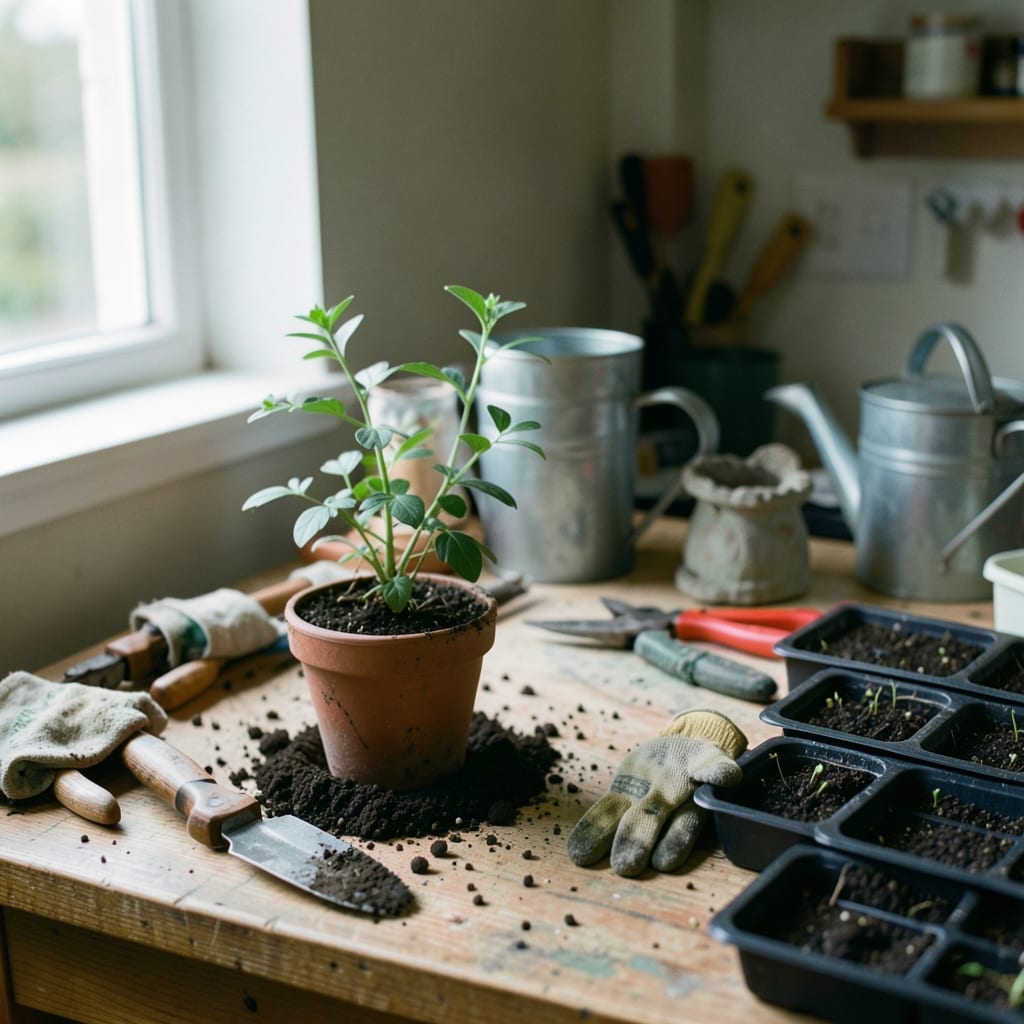
What is on this site
This site is about growing plants—from the first scratch in the soil to the harvest. It covers every stage: how to start seeds, nurture seedlings, troubleshoot pests, and adapt to your climate.
Whether you’re a beginner with a windowsill herb garden or a seasoned grower with a quarter-acre plot, there’s a focus on what works in real conditions, not just theory.
The site is organised by plant type, season, and skill level. You’ll find guides for vegetables, herbs, and flowers, with clear steps for each stage of growth. There are also seasonal calendars, soil tests, and tools for tracking progress. The goal is to make gardening practical, not overwhelming.
| Where | What is there | Go here if |
|---|---|---|
| The Plant Library | Detailed profiles of vegetables, herbs, and flowers—when to plant, how to care for them, and common problems | You’re choosing what to grow |
| Seasonal Guides | Monthly checklists, planting schedules, and weather tips for your region | You’re planning your garden calendar |
| Troubleshooting | Pest control, soil fixes, and plant diseases with photos and solutions | Something is dying or not thriving |
| Tools & Gear | Reviews of tools, soil amendments, and equipment—what’s worth buying and what’s not | You’re buying supplies |
How to read a page here
Every page follows the same structure: start with the plant’s needs (light, water, soil), then move to planting steps, followed by care and harvest tips. Numbers mark key stages—like ‘Day 10’ for thinning seedlings or ‘Week 6’ for flowering—so you know exactly when to act.
Ignore the ‘Further Reading’ section on your first pass; it’s for when you’re ready to dig deeper.
Units are metric by default, but imperial conversions are included where needed. Timings are in days or weeks, not vague terms like ‘soon’ or ‘when ready.’ If a step says ‘after the first true leaves,’ you’ll see a photo of what that looks like.
The ‘Watch For’ boxes highlight critical moments—like fungal spots or wilting—that aren’t always obvious.
Use the ‘Quick Notes’ sidebar on longer guides to bookmark your progress. It’s where you’d jot down your own observations, like ‘needs more nitrogen’ or ‘pests appeared after rain.’ The site’s job is to give you the framework; your notes make it yours.
When it does not work
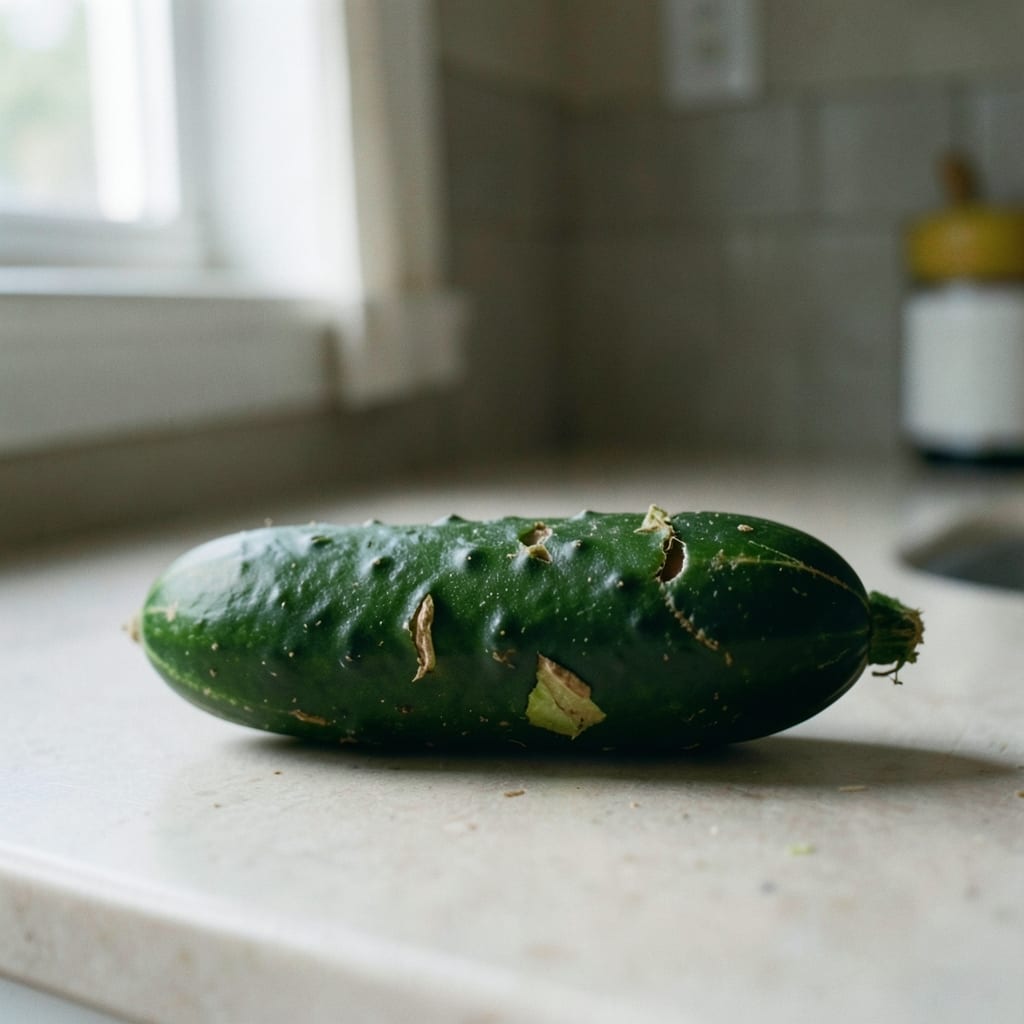
If a method fails, it’s usually one of three things: the soil, the timing, or the plant’s needs not matching your conditions.
Before you quit, check if you’ve missed a step—like soaking seeds overnight or hardening off seedlings—or if your climate is an outlier (e.g., trying to grow tomatoes in a short summer).
Before you give up
- Double-check the soil pH and nutrients—sometimes a plant wilts because it’s thirsty for magnesium, not water
- Verify the last frost date for your area—if you planted too early, even heat-loving crops will struggle
- Look for subtle signs, like yellowing leaves between veins (a classic nutrient deficiency) or chewed stems (pests, not disease)
- Try the ‘control test’: grow the same plant in two pots with identical conditions, then vary one thing (e.g., watering) to isolate the problem
Who we are

This site is shaped by one person’s hands-in-the-dirt experience—and the mistakes that taught the lessons.
| The colophon | |
|---|---|
| Written by | Angelo Gutierrez, who learned to garden from his grandfather’s calloused hands and a notebook full of scribbled planting dates |
| Tested in | A 500-square-foot urban backyard in Portland, Oregon, where the soil is heavy clay and the summers are damp enough to breed slugs |
| Written with | A trowel, a magnifying glass, and a spiral-bound journal where every failed crop gets a postmortem |
| Learned from | A retired botanist who’d say, ‘Plants don’t lie—they just take their time telling you why,’ and a neighbor who swore by companion planting |
| Still getting wrong | The exact moment to harvest green beans—sometimes they’re crisp, sometimes they’re tough, and the line between is always a guess |
Gardening is the only hobby where the best teachers are the ones that fail. The dirt doesn’t care if you’re perfect—it just wants to know you’re paying attention.
If you need something that is not here
If you’re looking for advice on a plant not covered, a technique not tested, or a climate not listed, the answer is likely in the ‘Ask a Grower’ forum—or it’s something we haven’t met yet. Start there, or reach out through the contact page.
The best questions come from the ones we haven’t thought to ask.
The guides are grouped by category: Advice, Aphids, Blooming, Companion Plants, Fertilization and How To.