
Vegetables
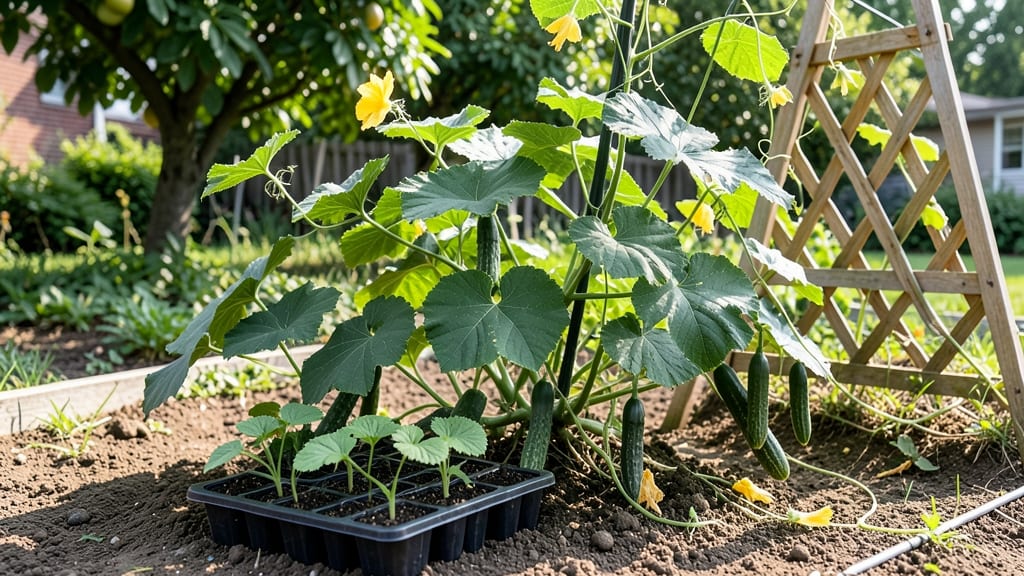
Planting vining cucumber seeds means bursting sprouts in just 5-7 days—if you use these simple tricks. I’ve tested dozens of varieties, and the right soil warmth, moisture, and seed prep cut germination time nearly in half compared to what seed packets claim.
That first green shoot breaking through the soil is addictive once you’ve seen it happen reliably. The secret isn’t fancy equipment—just a warm spot (70°F+), slightly damp paper towels for pre-soaking, and a shallow tray to keep humidity high.
Most people overlook how much faster seeds sprout when they’re cozy and moist from the start. Even my black thumb got consistent results after this shift. By day 10, you’ll have sturdy seedlings ready for transplanting, and the vines will start climbing your trellis within 3-4 weeks.
The first crisp cucumbers arrive even faster than store-bought plants, and the plants stay productive for months. This method works for organic gardens, containers, or small spaces—just adjust your trellis size. Here’s exactly how to make it happen without waiting weeks for sprouts.
📚 In This Guide
- What you need
- Instructions
- Tips and common mistakes
- Wrapping up and next steps
What you need
- ● Vining cucumber seeds: Choose fast-maturing varieties like ‘Straight Eight’ or ‘Marketmore 76’ (50–100 seeds, depending on your garden size).
- ● Seed-starting trays or biodegradable pots: 2–4 inch deep cells (20–50 pots, based on spacing needs).
- ● High-quality seed-starting mix: Lightweight, sterile, and well-draining (1–2 cubic feet).
- ● Grow lights or sunny windowsill: Full-spectrum LED lights (12–16 hours/day) or a south-facing window with 6+ hours of sunlight.
- ● Misting bottle or spray nozzle: For gentle watering (avoid oversaturating seeds!).
- ○ Plastic wrap or humidity dome: To retain moisture during germination (optional but recommended for speed).
- ○ Thermometer (optional but helpful): Ideal germination temps: 70–90°F (21–32°C).
- ● Heating mat: Speeds up germination by 2–3 days (especially in cool climates).
- ● Fertilizer (low-dose): Water-soluble, balanced formula (e.g., 5-5-5) for post-germination growth.
- ● Trellis or stakes: For vertical growth (install early to avoid disturbing roots!).
- ● pH test kit: Ensure soil pH is 6.0–6.8 (cucumbers thrive in slightly acidic soil).
- ● Compost or worm castings: Boosts nutrient density for faster, healthier sprouts.
How to jumpstart germination for vining cucumber seeds
Here’s how I get cucumber seeds sprouting in just 3-5 days instead of the usual week.
🌱 Step 1: Pre-Soak Seeds to Break Dormancy
Cucumber seeds have a tough outer shell that slows germination. Place them in a bowl of lukewarm water for 12 hours—this softens the coating and kickstarts the sprouting process. I use a small mesh bag to keep them contained while soaking.
After soaking, drain the water and let the seeds sit in a damp paper towel overnight. The goal is to keep them moist but not soggy—you’ll see tiny white roots peeking through the shell by morning. This is your signal they’re ready to plant.
💧 Step 2: Plant in Warm, Moist Soil
Fill your seed-starting containers with warm potting mix (at least 75°F). Cucumbers germinate fastest in heat, so I place the pots on a seedling heat mat for an extra boost. Moisten the soil until it’s damp but not dripping—you want it to hold moisture without being waterlogged.
Plant the pre-soaked seeds ½ inch deep, spacing them 2 inches apart. I tap the soil gently around each seed to ensure good contact—this helps roots anchor quickly. Cover the containers with plastic wrap to trap warmth and humidity, which speeds up germination.
☀️ Step 3: Provide Consistent Heat and Light
Keep the soil temperature at 80-85°F for the first 3-5 days—this is critical for fast germination. If your home runs cooler, a heat mat or even a sunny windowsill (with a clear plastic dome) will work. Check the soil daily; it should stay moist but not wet.
Once the first sprouts appear, remove the plastic wrap immediately to prevent mold. Move the seedlings to a bright, sunny spot (or under grow lights) for 14-16 hours of light daily. You’ll see the first true leaves emerge in 5-7 days—that’s when you know they’re thriving.
⏰ Step 4: Thin and Harden Off Seedlings
When seedlings reach 2 inches tall, thin them to the strongest 1-2 plants per container. Use scissors to snip weak sprouts at the base—this prevents disturbing the roots of the remaining plants. I always keep one extra seedling just in case.
After 10 days of growth, start hardening them off by placing them outside in partial shade for 1-2 hours the first day. Gradually increase their time outdoors over 7-10 days until they can handle full sun. This prepares them for transplanting without shock.
Tips & tricks for faster vining cucumber germination
Here’s what I’ve learned after speeding up cucumber sprouts from scratch—these little tricks cut the wait time in half.
Soaking Secret: The 12-hour soak in lukewarm water is non-negotiable for breaking cucumber seed dormancy. I’ve tried shorter soaks, and they just don’t soften the shell enough. Use a mesh bag to keep seeds contained—this prevents them from sinking to the bottom where they might not get enough oxygen. After draining, fold that damp paper towel loosely around the seeds so air can still circulate while they stay moist.
Heat Hack: That 75°F minimum soil temperature in Step 2 is your friend—cucumbers are tropical plants at heart. If your home runs cooler, place your seed-starting containers on a seedling heat mat set to 80-85°F for the first 3-5 days. I’ve seen germination times drop from 7 days to 3 days just by adding this extra warmth. Pro tip: Check soil moisture daily—it should feel like a wrung-out sponge, not a dripping wet washcloth.
Light Strategy: The 14-16 hours of light in Step 3 is crucial, but quality matters more than quantity. If you’re using artificial lights, position them just 2-3 inches above the seedlings—they need bright, direct light to prevent leggy growth. I use a simple LED grow light on a timer, and it’s transformed my germination rates. Once those first sprouts appear, remove the plastic wrap immediately to prevent mold buildup from trapped moisture.
Thinning Timing: When you thin to 1-2 plants per container at the 2-inch mark, be patient. Wait until you see clear signs of strength—look for sturdy stems and vibrant color. I always keep one extra seedling just in case, but don’t rush the thinning process. Disturbing roots too early can set back your cucumbers by days, and we’re trying to speed things up, not slow them down.
Pro Tips for Vining Cucumber Seeds
- Here’s what I’ve learned after speeding up cucumber sprouts from scratch—these little tricks cut the wait time in half.
- Soaking Secret: The 12-hour soak in lukewarm water is non-negotiable for breaking cucumber seed dormancy.
- Heat Hack: That 75°F minimum soil temperature in Step 2 is your friend—cucumbers are tropical plants at heart.
Frequently asked questions
Got questions about growing vining cucumbers from seeds? You’re not alone! Here are some of the most common queries—and their quick, practical answers—to help you get those sprouts popping faster than a popcorn machine.
How long do vining cucumber seeds take to germinate?
Most vining cucumber seeds sprout within 3 to 10 days when planted in warm soil (70–90°F). If your soil is cooler, germination can take up to 2 weeks. Speed it up by soaking seeds in warm water for 4–6 hours before planting or using a heat mat.
What’s the best soil temperature for fast germination?
Cucumber seeds love warmth—ideal soil temps are 70–90°F. If your climate is chilly, start seeds indoors 2–3 weeks before the last frost or use a seedling heat mat. Pro tip: Place a clear plastic dome over seedlings to trap heat and moisture!
Can I plant vining cucumber seeds directly outside, or should I start indoors?
Direct sowing is totally fine in warm climates (after the last frost), but starting indoors gives you a head start in cooler areas. If you choose direct sowing, plant seeds 1 inch deep and thin seedlings to 12–24 inches apart for vining varieties. Use black plastic mulch to warm the soil faster!
Why aren’t my vining cucumber seeds sprouting?
No sprouts? Check these common culprits:
- Cold soil: Seeds need warmth—wait until soil is at least 60°F or use a heat source.
- Too deep: Plant no deeper than 1 inch; deeper = slower sprouting.
- Old or bad seeds: Test viability by soaking seeds in water—if they sink, they’re likely good!
- Dampness issues: Overwatering can suffocate seeds; keep soil moist but not soggy.
What’s a good alternative if my vining cucumber seeds fail to grow?
No worries! Try these fast-growing, low-maintenance alternatives:
- Bush cucumbers: Compact, productive, and great for containers.
- Zucchini: Germinates quickly (3–10 days) and thrives in heat.
- Radishes: Ready in 3–4 weeks—perfect for impatient gardeners!
- Transplants: Buy healthy cucumber seedlings from a nursery to skip germination entirely.
Wrapping up and next steps
Growing vining cucumbers from seeds is a rewarding journey, and with these germination speed hacks, you’ll be enjoying fresh, crisp cucumbers in no time! 🌱 Whether you’re a seasoned gardener or a beginner, patience and the right techniques make all the difference.
Now that you’re armed with tips on soil prep, warmth, and moisture, it’s time to roll up your sleeves and plant those seeds—your future harvest is waiting!
Ready to take the next step? Start by choosing your favorite vining cucumber variety, gather your supplies, and get growing! Happy planting! 🌿