
Pests and Diseases
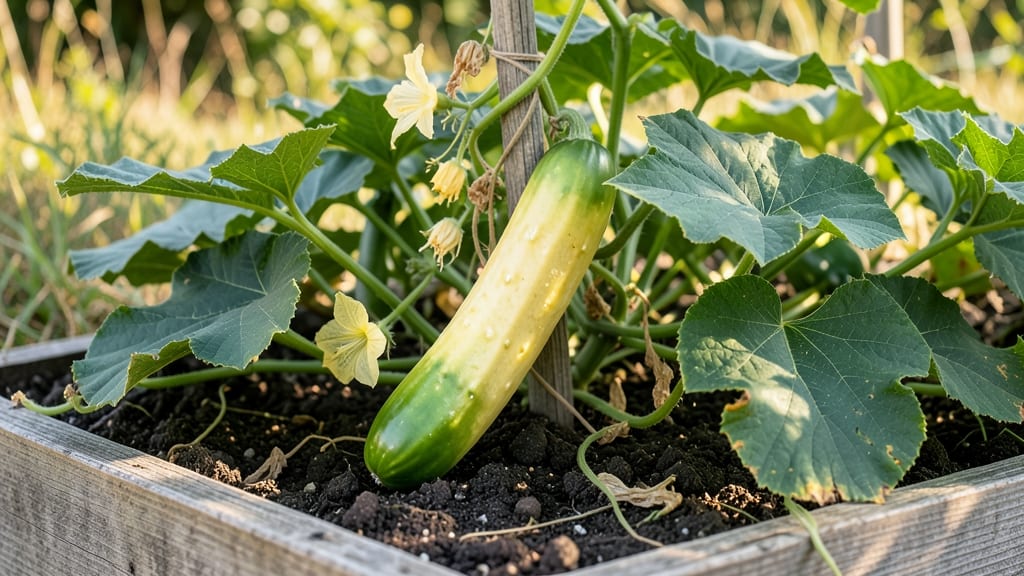
Your cucumbers turning yellow on the vine might mean it's time to act fast—this isn't always just overripeness. 🌱 I've seen gardeners lose entire harvests by waiting too long, but the right moves can save your plants and even bring back next year's crop.
The culprits are often hidden: too much water drowning roots, nutrient starvation from poor soil, or pests like cucumber beetles chewing away unseen. Even heat stress or disease can turn vibrant green into sad yellow in days. The good news?
Most fixes take less than 30 minutes and don't require fancy tools. Start by checking the vines for signs—soft spots, holes, or wilting leaves point to specific problems. A quick soil test or water adjustment can work wonders, and organic sprays like neem oil tackle pests without harsh chemicals.
You'll know you're on the right track when new growth appears within 1-2 weeks. Works for both backyard gardens and container growers—just scale the solutions to your space. Here's how to troubleshoot like a pro.
Root Causes of Vine Yellowing
Understanding why your cucumbers turn yellow while still on the vine starts with recognizing the plant’s stress signals. Yellowing—especially on leaves or fruits—is rarely a single issue but often a combination of environmental, biological, or nutritional factors.
Below are the most common culprits, broken down for clarity and action.
When cucumbers turn yellow on the vine, natural ripening is often the first (and most harmless) explanation. Unlike tomatoes, cucumbers don’t fully ripen off the vine, but they do undergo ethylene-induced yellowing as they age.
- How it happens: Ethylene gas, a plant hormone, triggers chlorophyll breakdown in the fruit’s skin, causing yellowing.
This is especially common in heirloom or slower-maturing varieties left too long on the vine. - Key signs: - Yellowing starts at the stem end and spreads outward. - The fruit may feel softer or develop a mealy texture inside. - Leaves near the fruit don’t show distress (no wilting or browning). - Actionable fix: Harvest cucumbers every 2–3 days during peak production to prevent overripening.
If you spot yellowing, pick immediately—these cucumbers are past their prime for fresh eating but can still be used in pickling or cooking.
Yellowing can signal nutritional starvation, particularly when cucumbers lack nitrogen, magnesium, or potassium. Each deficiency triggers yellowing in distinct patterns:
| Deficiency | Yellowing Pattern | Other Symptoms | Quick Fix |
|---|---|---|---|
| Nitrogen (N) | Older leaves turn pale yellow | Stunted growth, weak stems | Apply compost tea or balanced fertilizer (10-10-10) |
| Magnesium (Mg) | Interveinal yellowing (between veins) | Curling leaves, brown edges on older leaves | Epsom salt spray (1 tbsp/gallon) or soil drench |
| Potassium (K) | Yellowing at leaf edges (scorching) | Weak stems, poor fruit set | Banana peel tea or potassium-rich fertilizer (like greensand) |
- Pro tip: If yellowing starts on older leaves first, nitrogen is likely the issue. If it appears between veins, magnesium deficiency is the culprit. Test your soil (pH 6.0–6.8 is ideal for cucumbers) to confirm.
Cucumbers are 90% water, so fluctuations in moisture—whether overwatering or drought—can trigger yellowing. Here’s how to spot the difference:
- Underwatering (Drought Stress):
- Yellowing paired with crispy, curling leaves.
- Soil pulls away from pot edges (for container-grown plants).
- Fruits may develop a bitter taste due to stress compounds.
- Fix: Water deeply 1–2 inches per week (check soil moisture with your finger—top inch should be dry).
- Overwatering (Root Rot Risk):
- Yellowing with mushy, brown stems or wilting despite wet soil.
- Foul odor from the soil (sign of fungal/bacterial rot).
- Fix: Improve drainage with perlite or raised beds, and let the top 2 inches of soil dry out between waterings.
- Uneven Watering:
- Yellowing on one side of the vine (e.g., shaded leaves).
- Fix: Use drip irrigation or water at the base consistently to avoid leaf burn.
Hidden invaders can sap nutrients or block sunlight, causing yellowing. Common culprits:
- Aphids/Spider Mites:
- Tiny pests suction sap, leading to stunted growth and yellowing leaves.
- Look for sticky residue (honeydew) or fine webbing on undersides of leaves.
- Fix: Spray with neem oil or soapy water (1 tsp mild soap per quart of water).
- Powdery Mildew (Fungal):
- White, powdery coating on leaves → blocks sunlight → yellowing.
- Thrives in humid, shaded conditions.
- Fix: Space plants for airflow, apply baking soda spray (1 tsp baking soda + 1 quart water + drop of soap), or use copper fungicide.
- Bacterial Leaf Spot:
- Yellow halos around dark spots on leaves.
- Spreads in wet, warm conditions.
- Fix: Remove infected leaves, prune for airflow, and avoid overhead watering.
Sudden changes in temperature, sunlight, or wind can stress cucumber plants, leading to yellowing:
- Heat Stress:
- Yellowing + drooping leaves in temperatures above 90°F (32°C).
- Fix: Provide shade cloth (30–50%) during peak afternoon sun.
- Cold Damage:
- Yellowing after frost or temps below 50°F (10°C).
- Fix: Use row covers or grow in warm microclimates (e.g., near south-facing walls).
- Wind Burn:
- Yellowing on exposed leaf edges (like sunburn).
- Fix: Plant near a windbreak (e.g., corn or tall grass).
Final Note: If yellowing is localized to a few leaves and the plant otherwise thrives, it’s likely minor stress. But if multiple vines yellow rapidly, dig deeper—soil tests or pest inspections may be needed. Act fast to salvage your harvest!
Quick Fixes for Yellowing Cucumbers
Yellowing cucumbers on the vine can be frustrating, but the good news is that most issues have simple, actionable solutions. Below, we’ve mapped out targeted fixes based on the most common causes—from overwatering to pests—along with prevention tips to keep your plants thriving.
Let’s get your cucumbers back to their crisp, green best!
Fix: Adjust your watering routine and improve soil conditions.
- 🔥 Reduce Frequency: Water deeply 2–3 times per week (depending on climate) instead of daily shallow sessions. Let the top 1–2 inches of soil dry out between waterings.
- 🍳 Check Drainage: Amend heavy or clay soil with compost or perlite to improve aeration. If your pots lack drainage holes, repot or add a gravel layer at the bottom.
- 👨🍳 Mulch Matters: Apply 2–3 inches of straw or shredded leaves around the base to retain moisture without suffocating roots.
💡 Prevention Tip: Use a moisture meter or the "finger test" to avoid guesswork. Yellowing from overwatering often starts at the bottom of the plant—watch for wilting despite damp soil.
Fix: Shield plants from extreme heat and provide afternoon shade.
- 🥘 Provide Shade: Install a lightweight row cover or shade cloth (30–50%) during peak sun (11 AM–3 PM). Alternatively, train vines to grow along a trellis for better airflow.
- 🌡️ Water Strategically: Water early in the morning (before 9 AM) to reduce evaporation. Avoid wetting leaves at night to prevent fungal risks.
- ✨ Boost Humidity: Place a tray of water near plants or mist leaves lightly in extreme heat (avoid soggy soil).
💡 Prevention Tip: Choose heat-tolerant varieties like ‘Straight Eight’ or ‘Marketmore’ if you live in hot climates. Yellowing from sunburn often appears as white or yellow patches on the fruit’s surface.
Fix: Isolate infestations and use natural or chemical controls.
- 🔪 Handpick Pests: Check leaves daily for tiny green/black bugs or honeydew residue. Drop them into soapy water.
- 🍎 Spray Solutions:
- Neem Oil: Mix 1 tbsp neem oil + 1 tsp mild soap + 1 quart water. Spray every 5–7 days (avoid flowering plants).
- Insecticidal Soap: Apply early morning or evening to avoid harming bees.
- Diatomaceous Earth: Sprinkle lightly around the base (reapply after rain).
- 🎯 Trap Crops: Plant nasturtiums or radishes nearby to lure pests away.
💡 Prevention Tip: Rotate crops annually to disrupt pest life cycles. Yellowing from pests often comes with sticky residue, holes, or webbing on leaves.
Fix: Test soil and amend with targeted fertilizers.
| Symptom | Likely Cause | Solution |
|---|---|---|
| Yellow lower leaves | Nitrogen deficiency | Apply balanced fertilizer (10-10-10) or compost tea. Avoid over-fertilizing. |
| Yellow edges (interveinal) | Magnesium deficiency | Sprinkle Epsom salt (1 tbsp/gallon water) every 2 weeks. |
| Yellowing with brown spots | Potassium deficiency | Use a potassium-rich fertilizer (like banana peel tea) or wood ash. |
💡 Prevention Tip: Test soil pH (ideal: 6.0–6.8). Yellowing from deficiencies often starts on older leaves first.
Fix: Improve airflow and treat infections promptly.
- 🥘 Prune for Airflow: Remove overlapping leaves or crowded vines to reduce humidity.
- 🔥 Fungal Sprays:
- Baking Soda Mix: 1 tbsp baking soda + 1 tsp soap + 1 gallon water. Spray weekly.
- Copper Fungicide: Use as a last resort for bacterial wilt (follow label instructions).
- 🌡️ Prevent Reinfestation: Rotate crops and sterilize tools with rubbing alcohol.
💡 Prevention Tip: Water at the base (not overhead) to keep leaves dry. Yellowing from disease often appears as white powdery spots or wilting despite moisture.
If your plant is severely stressed (e.g., wilted stems, no new growth), consider:
- 🌱 Pruning Back: Cut 1/3 of the plant to redirect energy to healthy vines.
- 🌿 Replanting: If roots are rotted, replace the plant and amend soil with mycorrhizal fungi for faster recovery.
🎯 Pro Tip: Keep a plant journal to track watering, pests, and fertilizer dates. This helps you spot patterns and adjust care next season!
With these fixes, your cucumbers should bounce back in 1–2 weeks. Stay consistent, and your vine will be producing crisp, green cucumbers in no time! 🥒✨
Frequently asked questions
Is it normal for cucumbers to turn yellow while still on the vine?
Not always! While some varieties naturally yellow as they age (especially heirlooms), sudden or widespread yellowing usually signals stress. Check for soft spots, wilting leaves, or pest damage—these indicate overwatering, nutrient deficiencies, or disease rather than natural ripening.
Can I still eat cucumbers that turn yellow on the vine?
Yes, but their quality may decline. Yellow cucumbers are often overripe and can develop a mealy texture or bitter taste. Use them immediately in cooking (soups, pickling) or salads where texture matters less. Avoid eating if they feel mushy or smell off.
How can I tell if yellowing is from overwatering vs. underwatering?
Overwatered cucumbers show yellowing with mushy stems or a foul soil smell, while underwatered plants have crispy, curled leaves. Stick your finger 1 inch deep—if dry, water deeply; if soggy, reduce frequency and improve drainage with perlite.
Will Epsom salt help if my cucumber leaves are yellow between the veins?
That pattern suggests magnesium deficiency. Mix 1 tablespoon Epsom salt per gallon of water and spray leaves every 2 weeks. For severe cases, work 1 cup Epsom salt into the soil per plant (avoid overdoing it—it can burn roots).
How do I prevent yellowing in future cucumber harvests?
Focus on consistent care: water at the base every 2–3 days, mulch to retain moisture, and test soil pH (6.0–6.8). Rotate crops yearly to prevent disease buildup, and choose disease-resistant varieties like 'Straight Eight' for hot climates.