
Vegetables
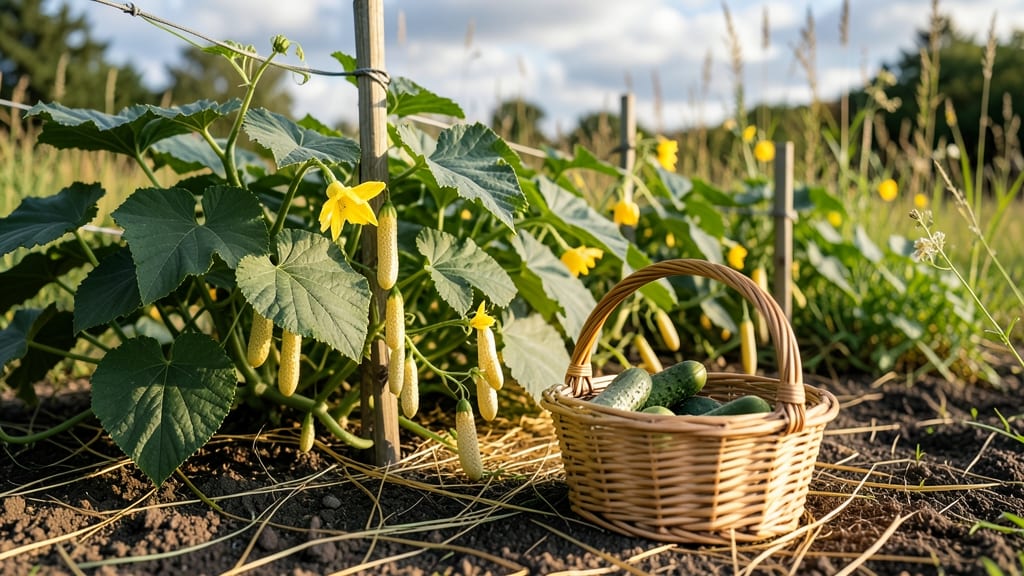
Your pickling cucumbers turning yellow isn’t just a flavor problem—it’s a sign your plants need attention. 🌱 I’ve seen this happen after weeks of ignoring subtle clues: pale leaves, sticky residue, or powdery white dust on stems. The good news?
Most yellowing is fixable with the right diagnosis and quick action. First, check for powdery mildew (white fuzz on leaves) or overwatering (mushy stems, yellowing from the bottom). Nutrient deficiencies—like too little nitrogen—can also cause yellowing, but the leaves stay crisp.
Pests like aphids or cucumber beetles stress plants, leading to discoloration too. If it’s mildew, spray leaves with a 1:1 water-vinegar mix at dawn. For overwatering, let soil dry between waterings—1-2 inches deep should stay damp, not soggy. Yellowing from pests?
Handpick beetles or use neem oil spray on affected areas. Prevention is easier: space plants 2-3 feet apart for airflow, water at the base (not leaves), and rotate crops yearly. Your next batch of crisp, tangy pickles will thank you!
The Science Behind Yellowing Cucumbers
If your once-vibrant green pickling cucumbers are turning an unappetizing yellow, don’t toss them just yet! Yellowing is usually a sign of underlying issues—some fixable, others preventable. Let’s break down the key culprits and why they turn your crunchy gems into pale, sad snacks. 🥒💡
Cucumbers, like many fruits (yes, they’re technically fruits!), contain chlorophyll, the pigment that gives them their bright green color. As they age or ripen, chlorophyll breaks down, and lutein and other carotenoids (yellow and orange pigments) take over.
This natural process is why store-bought cucumbers often look duller—they’ve been sitting too long!
- Why it happens: Enzymatic activity (like chlorophyllase) degrades chlorophyll over time, especially if cucumbers are left at room temperature.
- Actionable fix:
- Pick cucumbers when they’re firm, dark green, and bumpy (not smooth).
- Store unwashed cucumbers in the fridge crisper drawer (90–95°F humidity) to slow ripening.
- Use them within 3–5 days of purchase for pickling.
Even after harvesting, cucumbers are vulnerable to oxidation, a chemical reaction that triggers browning or yellowing. When cucumber cells are damaged (e.g., by cutting or bruising), enzymes like polyphenol oxidase (PPO) react with oxygen, producing quinones—compounds that turn yellow or brown over time.
- Why it happens:
- Cutting or peeling cucumbers exposes flesh to air, accelerating oxidation.
- High humidity or temperature swings (like pulling cucumbers from the fridge to room temp) speed up enzyme activity.
- Actionable fix:
- Soak cucumber slices in iced water with lemon juice or vinegar (1–2 tbsp per quart) to inhibit enzymes.
- Use a sharp knife and cut cucumbers just before pickling to minimize damage.
- Work quickly if prepping ahead—blanch slices in boiling water for 30 seconds to deactivate enzymes.
Pickling relies on acidification (via vinegar or lactic acid fermentation) to preserve color and safety. If the brine isn’t acidic enough (pH 4.6 or lower), beneficial bacteria like Lactobacillus can’t outcompete spoilage microbes—and your cucumbers may yellow due to fermentation gone wrong or mold growth.
| Cause | Signs | Fix |
|---|---|---|
| Low-acid brine (e.g., using water + salt only) | Cucumbers turn pale yellow or slimy; brine smells sour but not tangy. | Add 1–2 tbsp vinegar per cup of water or use pickling salt (not table salt). |
| Insufficient salt (for fermentation) | Yellowing + soft texture; brine is cloudy or bubbly. | Use 2–3% salt solution (e.g., 2 tbsp salt per quart of water). |
| Overcrowded jar | Cucumbers yellow at the bottom first; brine is murky. | Pack cucumbers snugly but not crushed; leave 1-inch headspace. |
Extreme temperatures disrupt the cell structure of cucumbers, leading to pigment breakdown. Heat accelerates enzyme activity, while freezing can rupture cell walls, releasing yellow pigments like xanthophylls.
- Why it happens:
- Heat stress: Leaving cucumbers in a hot car or near a stove can cause wilting + yellowing within hours.
- Cold stress: Freezing whole cucumbers (even briefly) turns them mushy and yellow.
- Actionable fix:
- Store cucumbers at 45–50°F (ideal fridge temp).
- Avoid washing until ready to use—moisture + cold speeds up spoilage.
- For pickling, use room-temperature brine to prevent thermal shock.
Yellowing can also signal pathogen activity, such as Alternaria (a common cucumber mold) or Pseudomonas bacteria. These microbes thrive in high-moisture environments and produce toxins that discolor cucumbers.
- Signs to watch for:
- Yellow spots that spread (fungal).
- Slimy texture + rotten smell (bacterial).
- White or gray fuzz (mold).
- Prevention tips:
- Use organic cucumbers if possible, or wash conventionally grown ones with 1 tbsp vinegar per gallon of water.
- Sanitize jars and tools with boiling water or bleach solution (1 tsp bleach per quart of water).
- Discard any cucumbers with soft spots or mold—don’t risk it!
Quick fixes for pale pickles
Got a jar of pickles that’s lost its vibrant green glow and turned a dull yellow? Don’t toss them out just yet! Yellowing cucumbers in pickles are often a fixable issue—whether it’s due to overcooking, improper storage, or a lack of acidity.
Here’s how to troubleshoot and restore that crisp, tangy appeal (or prevent it next time).
---
Cause: Boiling cucumbers too long or using a blender/puree method strips away their natural color and texture. Fix: - For jarred pickles: Drain the cucumbers and soak them in ice water for 10–15 minutes to shock them back to life. This can restore some crunch and vibrancy. - For homemade batches: If the color is gone but the flavor is still there, re-pickle them! Simmer the yellowed cucumbers in a fresh batch of vinegar (5% acidity), water, salt, and a splash of lemon juice for 10 minutes. Let them cool in the brine overnight. - Prevention tip: ⏱️ Time your cooking! Cucumbers should only simmer for 5–8 minutes—any longer, and they’ll turn mushy and pale.
---
Cause: A weak vinegar or salt solution can’t preserve color or prevent microbial growth, leading to yellowing and softness. Fix: - Boost the acid: If your brine lacks tang, add more vinegar (white vinegar or apple cider vinegar work best). Aim for a 1:4 vinegar-to-water ratio (e.g., 1 cup vinegar to 4 cups water). - Adjust salt levels: Too little salt = soggy pickles; too much = cloudy brine. Ideal ratio: 1–2 tbsp salt per quart of liquid. - Quick acid test: Taste the brine—it should be sour but not harsh. If it’s bland, add a splash of vinegar. - Prevention tip: 🌡️ Use a pH strip (available at gardening stores) to ensure your brine is between 3.6–4.0—this kills bacteria and locks in color.
---
Cause: Heat, light, or oxygen exposure speeds up yellowing and spoilage. Fix: - Move to a cooler, darker spot: Store pickles in the fridge (not the door—temperature fluctuations cause spoilage). Use opaque jars or wrap them in foil to block light. - Check for mold or sliminess: If your pickles smell off or have fuzzy growth, discard them immediately—yellowing here signals spoilage, not just color loss. - Prevention tip: ✨ Freeze extras! If you’ve got more pickles than you can eat, portion them into airtight containers and freeze for up to 6 months. Thaw in the fridge before eating.
---
Cause: Some cucumbers (like slicing types) yellow faster than pickling-specific varieties (e.g., Boston Pickling, National Pickling). Fix: - For future batches: Stick to small, firm cucumbers (2–3 inches long) with thick skins. Avoid waxy or overly ripe ones. - Revive wilted pickles: If your cucumbers are limp but not moldy, soak them in cold water with a handful of ice cubes for 30 minutes to plump them up. - Prevention tip: 🎯 Harvest young! Pick cucumbers when they’re bright green and firm—the younger, the better for pickling.
---
Cause: Even well-preserved pickles yellow over weeks or months due to oxidation. Fix: - Short-term fix: If the pickles are still crunchy and taste fine, serve them chilled—cold temperatures slow oxidation. - Long-term storage: Transfer pickles to sterilized jars with a fresh brine (vinegar + water + salt) to extend shelf life. - Prevention tip: 💡 Eat them fast! Homemade pickles are best within 1–2 months for peak flavor and color.
--- Final Pro Tip: 🔥 Don’t fear the yellow! Some pickles develop a golden hue over time—this is normal and often means they’re fermenting (if you’re doing a lacto-ferment). Just check for off smells or textures before eating. When in doubt, taste test a small piece!
Frequently asked questions
Why do my pickling cucumbers turn yellow before they're fully ripe?
Yellowing before full ripeness usually signals stress from overwatering or nutrient deficiencies. Check the soil moisture—cucumbers prefer 1-2 inches of dry soil between waterings. Yellowing from the bottom up often means too much water, while yellowing between veins suggests nitrogen deficiency. Try a balanced fertilizer or compost tea to restore vibrancy.
Can I still pickle cucumbers that have turned yellow?
Yes, but with caution! Mild yellowing from aging is fine—just ensure they're still firm and free of soft spots. Avoid cucumbers with yellow patches that spread (sign of disease) or slimy texture (bacterial rot). For safety, always use vinegar-based brine (pH <4.6) when pickling yellowed cucumbers.
How can I prevent my pickling cucumbers from yellowing in storage?
Store them properly to maintain color! Keep whole cucumbers in the fridge crisper drawer (90-95% humidity) and use within 3-5 days. For cut cucumbers, soak slices in iced water with 1 tbsp lemon juice per quart to slow oxidation. Never wash until ready to use—moisture speeds up yellowing.
What's the difference between normal yellowing and disease-related yellowing?
Normal yellowing appears evenly and is often paired with softening. Disease-related yellowing shows as spots that spread, accompanied by white fuzz (powdery mildew) or slimy texture (bacterial infection). If you see these signs, discard affected cucumbers immediately and treat remaining plants with neem oil or copper fungicide.
Will yellow pickling cucumbers still make good pickles?
They can, but results may vary! Mild yellowing from aging won't ruin flavor, but severely yellowed cucumbers may taste bland. For best results, use firm, dark green cucumbers (2-3 inches long) and process them quickly. If you must use yellowed ones, add extra garlic, dill, or mustard seeds to boost flavor in the brine.