
Plants
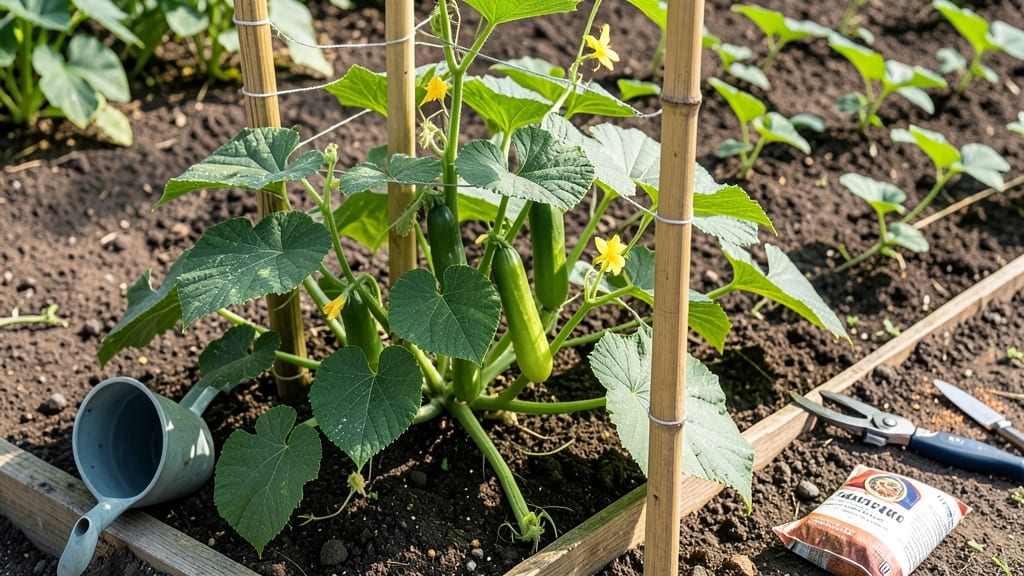
Plant cucumbers in West Virginia after the last frost—typically late April to early May—when soil temperatures hit at least 60°F for consistent germination.
West Virginia’s diverse microclimates—from Appalachian valleys to river basins—create unique growing windows for 🥒, but planting too early or late can mean the difference between a bountiful harvest and wasted seeds.
In USDA Zone 6a, where many WV gardeners live, cucumbers thrive with 165 frost-free days from April to October, but cooler mountain areas may need to wait until early May.
Below, I’ll break down the best planting times by region, soil prep tips to speed up germination, and the top varieties that handle WV’s unpredictable weather.
West Virginia’s frost-free dates by microclimate zone (2024 planting guide)
Understanding West Virginia’s microclimate variations is key to timing cucumber plantings correctly. The state spans USDA zones 5b to 7a, with mountain regions often experiencing 2-3 weeks later last frost dates than river valleys.
For example, Charleston (zone 6b) typically sees its last frost around April 15, while higher elevations like Lewisburg (zone 6a) may wait until May 1. These differences can shift your planting window by 30 days or more.
Cucumbers (Cucumis sativus) are warm-season crops that require soil temperatures above 60°F for germination. Planting too early in cooler mountain zones risks seed rot or stunted growth, while waiting too long in valley areas may reduce your harvest before fall frosts.
Historical data shows valley regions like Huntington can start planting by mid-April, while Appalachian highlands should wait until late May.
Here’s how West Virginia’s three distinct microclimate zones affect your cucumber planting timeline:
| Microclimate Zone | USDA Zone | Avg. Last Frost | Safe Planting Window | Harvest Window |
|---|---|---|---|---|
| River Valleys (e.g., Charleston, Huntington) | 6b-7a | April 15-May 1 | Mid-April to early May | Late June to September |
| Central Plateau (e.g., Morgantown, Parkersburg) | 6a-6b | April 25-May 10 | Late April to mid-May | Early July to August |
| Appalachian Highlands (e.g., Beckley, Elkins) | 5b-6a | May 10-20 | Late May to early June | Late July to early September |
For valley gardeners, this means you can start direct-sowing seeds as early as April 15 in protected microclimates, while mountain gardeners should wait until May 15 to avoid frost damage.
I’ve found that using black plastic mulch can warm soil by 5-10°F, allowing earlier plantings in transitional zones like the central plateau.
Historical data from the West Virginia State Climate Office shows that late spring frosts (after April 30) occur 1 in 3 years in zone 6b areas, while early fall frosts before October 15 happen 1 in 5 years in zone 5b. This variability means extending your season with row covers or cold frames can add 2-4 weeks of harvest time in riskier zones.
If you’re growing bush cucumber varieties like ‘Bush Champion’, you’ll have a slightly longer window to plant—these compact plants mature 5-7 days faster than vining types. For traditional vining cucumbers like ‘Straight Eight’, focus on planting by May 10 in zone 6b to ensure a full-season harvest before fall frosts.
Pro tip: Check your local Cooperative Extension Service for 2024 frost predictions—some years, like 2023, saw last frosts 2 weeks later than average in the panhandle due to unusual weather patterns. Always have row covers ready for late May plantings in mountain areas.
For container gardeners, 5-gallon pots can be moved to sunniest spots once soil warms, giving you flexibility in microclimates. Just ensure your containers have drainage holes and use lightweight potting mix to prevent cracking in heatwaves.
Remember: Soil temperature matters more than air temperature for cucumbers. Use a
How to adjust cucumber planting for West Virginia’s unpredictable weather
West Virginia’s weather can throw a curveball at even the most experienced gardeners. One year, you’re planting cucumbers in late April, and the next, a late frost hits in early May.
The key to success lies in flexible strategies that account for WV’s variable microclimates—from the Appalachian highlands to the Ohio River Valley. By using season-extending tools and cold-tolerant varieties, you can turn these challenges into opportunities for a longer harvest.
First, understand that soil temperature is more critical than air temperature for cucumbers. These plants won’t germinate well until the soil reaches 60°F or warmer. In the Panhandle region, this might happen by mid-April, while in the Eastern Panhandle, you may need to wait until early May.
Using a soil thermometer is your best friend here—don’t guess!
🌱 5 Pro Tips for Adjusting Planting in WV’s Weather
- 1. Start with cold-hardy varieties: Choose ‘Northern Pickling’ or ‘Straight Eight’—they tolerate cooler soils better than standard varieties.
- 2. Use black plastic mulch: Warms soil by 10-15°F, speeding up germination and extending the growing season by 2-3 weeks.
- 3. Deploy row covers: Lightweight fabric raises soil temps by 3-5°F and protects against late frosts (remove when flowers appear).
- 4. Plant in containers: Move pots to sunny porches or greenhouses at night if frost threatens—ideal for mountain regions.
- 5. Succession plant: Sow new seeds every 2 weeks from May to early July to stagger harvests and maximize yield.
If you’re in a higher-elevation area like the Monongahela National Forest, consider using hoop houses or cold frames to create a microclimate. These structures can add 10-15°F of warmth and let you plant 3-4 weeks earlier than the official last frost date.
Just ensure proper ventilation to prevent fungal diseases like powdery mildew, which thrives in humid conditions.
For gardeners in the Northern Panhandle, where springs are famously late, try indoor starting. Begin seeds in biodegradable pots 3-4 weeks before your target outdoor date, then transplant seedlings when soil temps are ideal.
This gives you a 2-week head start on the season. Pair this with drip irrigation to maintain consistent moisture—cucumbers hate dry spells!
Don’t forget about late-season adjustments. If your first frost is creeping up in mid-October (common in the Allegheny Highlands), switch to ‘Marketmore 76’, a variety that matures in just 55 days.
You can also try vertical trellising to protect fruits from soil-borne diseases and make harvesting easier as cooler weather sets in.
West Virginia’s weather may be unpredictable, but with these adaptive strategies, you can turn its quirks into advantages. Start with soil prep, use season-extending tools, and stay flexible—your homegrown cucumbers will thank you! 🥒