
Diseases
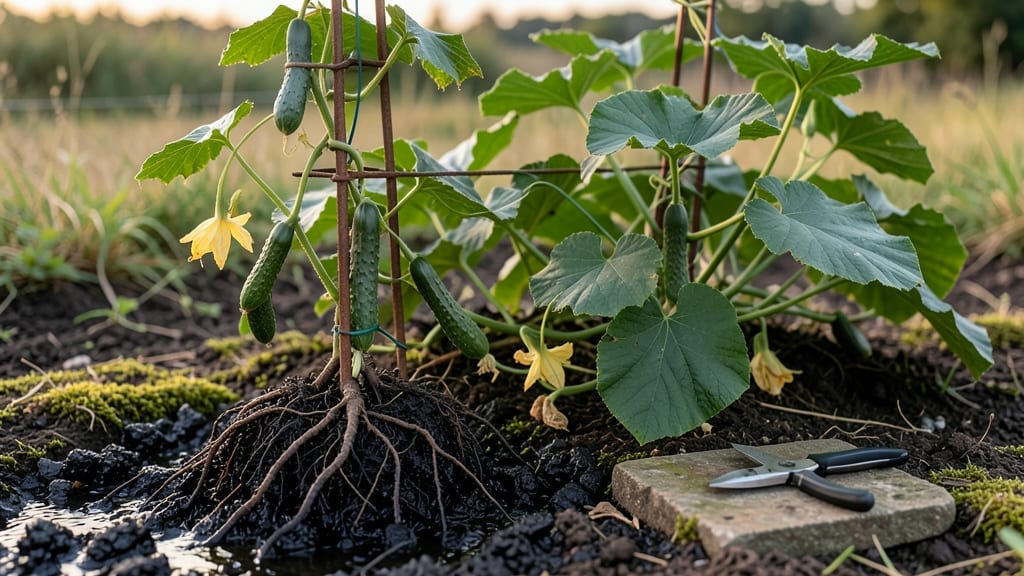
When your cucumber plants wilt despite regular watering, root rot is likely the culprit—and it’s fixable. 🌱 I’ve lost entire vines to this fungal nightmare, but these three stages of intervention saved my next harvest. The key is catching it early, before the roots turn to mush.
This isn’t just about dumping fungicide. Overwatering, poor drainage, and soggy soil create the perfect breeding ground for Phytophthora or Pythium. Even resistant varieties can succumb if conditions stay too wet. The first sign? Yellowing leaves that don’t improve, even after watering.
You’ll stop the spread with drainage fixes, targeted treatments, and smarter watering habits. Organic options like copper sprays work for mild cases, but severe rot may need systemic fungicides. Crop rotation and raised beds cut recurrence by 70%.
Prevention is easier than cure: test your soil, space plants properly, and avoid overhead watering. Once you master these stages, your cucumbers will thrive—no more sad, drooping vines.
Root Rot’s Hidden Triggers
Cucumber root rot isn’t just a random tragedy—it’s a perfect storm of environmental stress, microbial mayhem, and poor growing conditions. Understanding the why behind it is your first line of defense. Let’s break down the key culprits that turn your thriving cucumbers into a sad, wilting mess.
Cucumbers are not aquatic plants—despite their love for hydration, they hate soggy roots. Root rot thrives when soil stays waterlogged for more than 24–48 hours, cutting off oxygen to the roots. Here’s the science:
- Oxygen starvation: Roots need oxygen to respire (yes, they "breathe"). Water displaces air in soil pores, suffocating roots and creating the perfect anaerobic (oxygen-free) zone for Pythium and Phytophthora fungi to multiply. 🧬
- Fungal feast: Waterlogged soil releases nutrients like nitrogen and phosphorus, which Pythium (a root rot villain) loves. It grows faster in wet conditions, producing spores that infect roots in hours.
- Compacted soil: Heavy or clay soils hold water like a sponge. If drainage is poor, roots can’t escape the moisture trap, even after you stop watering.
Actionable fix: Test your soil’s drainage—dig a hole, fill it with water, and time how long it takes to drain. If it’s slower than 6 hours, amend with compost or sand. Water deeply but infrequently (early morning is best) and avoid overhead sprinklers.
Root rot is often caused by soilborne fungi that lurk in gardens, waiting for the right moment to strike. The two main offenders:
| Fungus | How It Attacks | Red Flags |
|---|---|---|
| Pythium | Thrives in cool, waterlogged soil. It secretes enzymes that dissolve root cell walls, causing soft, brown lesions and root collapse. Spreads via zoospores (tiny swimming spores) in water. | Wilting even when soil is moist; roots turn mushy and dark. |
| Phytophthora | Loves warm, humid conditions. It infects roots through wounds or natural openings, blocking water and nutrient uptake. Spreads via spores in splashing water (think: rain or overhead irrigation). | Yellowing leaves, stunted growth, roots with dark, leathery patches. |
Actionable fix:
- Rotate crops—don’t plant cucumbers (or other cucurbits like squash) in the same spot for 3–4 years to break the fungal life cycle.
- Solarize soil in late summer: Cover beds with clear plastic for 4–6 weeks to bake out fungi.
- Use resistant varieties like ‘Straight Eight’ or ‘Marketmore 76’ if root rot is recurrent.
Fungi are temperature-sensitive, and cucumbers have a sweet spot for growth—any deviation can tip the scales toward rot.
- Cool soil (<60°F/15°C): Slows cucumber growth but speeds up Pythium. The fungus grows optimally in 59–77°F (15–25°C) soil.
- High humidity (>70%): Encourages fungal spores to germinate and infect. Greenhouses or dense plantings trap moisture, creating a fungal paradise.
- Heat stress (>90°F/32°C): While cucumbers wilt, their roots weaken, making them more susceptible to secondary infections like Fusarium.
Actionable fix:
- Mulch with straw or wood chips to stabilize soil temp and reduce evaporation.
- Avoid planting in low-lying areas where cold air pools (cold sinks = fungal hotspots).
- Improve airflow with spaced planting (12–24 inches apart) or trellises to lift vines off damp soil.
Healthy soil is a living ecosystem—when it’s out of balance, roots become easy targets. Key issues:
- Low organic matter: Soil with <1% organic content drains poorly and lacks beneficial microbes that outcompete pathogens.
- High salinity: Over-fertilized or irrigated-with-salty-water soil burns roots, creating entry points for fungi.
- pH extremes: Cucumbers prefer pH 6.0–6.8. Below 5.5 or above 7.5, root uptake weakens, and fungi like Phytophthora thrive.
Actionable fix:
- Test your soil’s pH and amend with lime (to raise pH) or sulfur (to lower it) as needed.
- Add compost or aged manure to boost organic matter and beneficial microbes.
- Flush soil with rainwater or distilled water if you suspect salt buildup (let it drain completely).
Pro tip: 💡 Healthy roots = happy plants. Before planting, soak cucumber seeds in a neem oil solution (1 tsp/gallon) for 30 minutes to stimulate natural defenses against fungal attacks.
Fixing Fungal Blight in Cucumbers
Now that you understand the root causes of cucumber root rot, it’s time to take action! Whether your plants are already showing signs of distress or you want to prevent future outbreaks, these step-by-step solutions will help you revive your garden.
Let’s tackle each cause with practical fixes—no green thumb required!
If soggy soil is the culprit, your first move is to stop the waterlogging and improve drainage. Here’s how:
- 🌧️ Pause Watering Immediately Let the soil dry out slightly before watering again. Stick your finger 1–2 inches into the soil—if it’s damp, wait another day.
- 🏗️ Improve Soil Drainage
- Mix in coarse sand, perlite, or compost to loosen heavy clay soil.
- Elevate plant beds with raised garden beds or wooden pallets to prevent water pooling.
- Add organic mulch (straw or wood chips) around the base to regulate moisture.
- 💧 Water Smartly
- Use drip irrigation or a soaker hose to deliver water directly to the roots.
- Water early in the morning so excess moisture evaporates by evening.
- Avoid overhead watering—it spreads fungal spores like wildfire!
💡 Pro Tip: If your garden is prone to poor drainage, consider planting cucumbers in containers with drainage holes for better control.
Fungal infections thrive in damp, crowded conditions. Here’s how to quarantine and eliminate the problem:
- 🧹 Remove Infected Plants
- Pull up severely affected plants (including roots!) and dispose of them in the trash—not the compost!
- Sterilize tools with rubbing alcohol or a 10% bleach solution to prevent cross-contamination.
- 🧴 Apply Fungicidal Solutions
- Copper fungicide (like copper sulfate) is a natural, effective treatment for fungal root rot.
- Neem oil spray (1 tsp neem oil + 1 tsp mild soap per quart of water) can prevent spore growth when sprayed on leaves and soil.
- Baking soda spray (1 tbsp baking soda + 1 quart water + a few drops of soap) is a budget-friendly option for early stages.
- 🌿 Boost Soil Health
- Add beneficial microbes like mycorrhizal fungi or compost tea to outcompete harmful pathogens.
- Plant fungal-resistant varieties like ‘Straight Eight’ or ‘Lemon’ cucumbers in future seasons.
✨ Prevention Hack: Rotate crops annually—never plant cucumbers, squash, or melons in the same spot two years in a row to break the fungal cycle.
If pests like cucumber beetles or nematodes are weakening roots, take these steps:
- 🕵️♂️ Inspect and Trap
- Set up yellow sticky traps to catch adult cucumber beetles before they lay eggs.
- Handpick eggs or larvae from leaves and drop them in soapy water.
- 🛡️ Use Organic Barriers
- Row covers (lightweight fabric) can block beetles while allowing pollination.
- Diatomaceous earth (food-grade) around the base can deter nematodes and slugs.
- 🌱 Strengthen Plant Defenses
- Interplant with marigolds—they repel pests naturally!
- Rotate crops with onions, garlic, or herbs to disrupt pest life cycles.
🎯 Targeted Tip: If nematodes are the issue, soak seeds in hot water (120°F for 25 minutes) before planting to reduce infestation risks.
Once your cucumbers are healthy again, keep them that way with these habits: ✅ Test your soil (pH 6.0–6.8 is ideal for cucumbers). ✅ Space plants 2–3 feet apart for airflow. ✅ Avoid working in the garden when soil is wet (spores spread easily!). ✅ Solarize the soil in late summer (cover with clear plastic for 4–6 weeks) to kill fungi naturally.
By addressing the root cause (literally!) and following these steps, your cucumber plants will bounce back stronger. Healthy soil + smart care = no more rot! 🚀
Frequently asked questions
How quickly can cucumber root rot kill my plants?
Root rot can devastate cucumbers in as little as 3-5 days if conditions are perfect for fungal growth. Early signs like wilting or yellowing leaves may appear first, but once roots turn mushy and brown, the plant can collapse within 24-48 hours. The key is acting fast—drainage fixes and fungicides work best when applied at the first symptoms.
Can I save a cucumber plant with root rot?
It depends on how severe the infection is. For mild cases, you can prune affected roots, improve drainage, and apply copper fungicide to stop spread. If roots are 90%+ rotted or the plant is completely wilting, it’s best to remove it immediately to prevent spreading spores. Focus on saving nearby healthy plants instead.
Will compost help prevent root rot in my cucumbers?
Adding well-aged compost improves soil structure and drainage while introducing beneficial microbes that outcompete harmful fungi. However, avoid fresh manure—it can overheat soil and attract pests. Mix in 2-3 inches of compost before planting and top-dress mid-season for best results.
Are there cucumber varieties that naturally resist root rot?
Yes! Some varieties show better resistance, including ‘Straight Eight’, ‘Marketmore 76’, and ‘Lemon’ cucumbers. These types handle moisture better than others. For maximum protection, pair resistant varieties with raised beds or containers—this combination reduces fungal exposure by 50-60% compared to ground planting.
Can I reuse soil from a garden where root rot occurred?
Only if you sterilize it first. Solarize the soil by covering it with clear plastic for 4-6 weeks in summer heat to kill fungi. Alternatively, mix in 10% fresh compost or sand to dilute pathogens. Never reuse infected soil without treatment—it will reinfect new plants.