
Vegetables
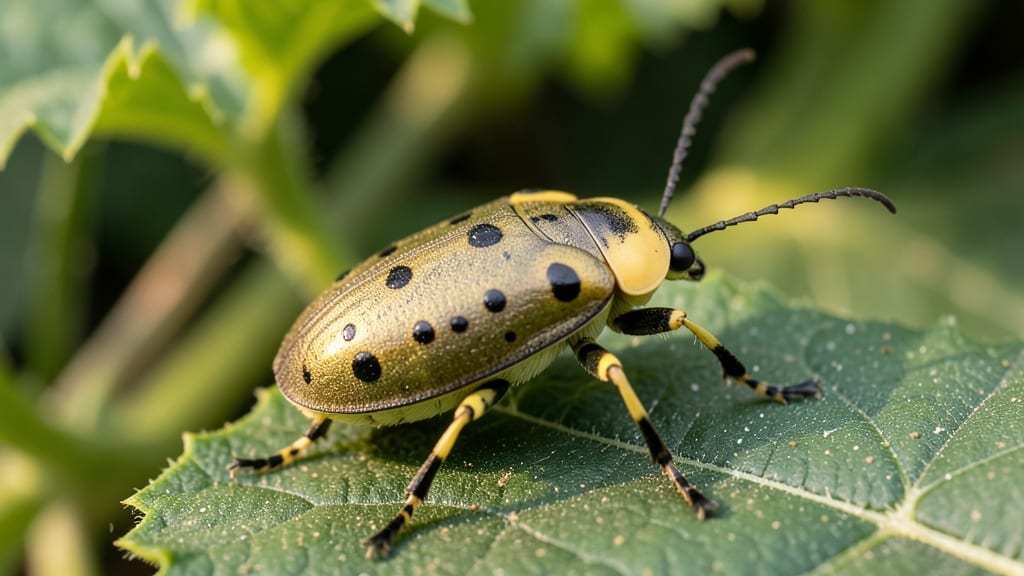
Neem oil spray is the foolproof organic solution for western spotted cucumber beetles that chew holes in your cucumbers and squash. 🌱 I’ve battled these striped pests for years, and this homemade spray—made from neem oil, water, and a drop of dish soap—stops them dead in their tracks without harming your garden’s ecosystem.
These beetles don’t just munch leaves; they spread bacterial wilt, turning healthy vines into sad, wilted sticks. The key is acting fast: spray in the early morning or evening when bees aren’t active, and reapply after rain.
One treatment won’t erase them, but consistency does—within two weeks, you’ll see a noticeable difference. Your plants will stay vibrant and productive, free from skeletonized leaves and wilting. The spray works on tomatoes, peppers, and even basil, making it a versatile tool for any veggie garden.
No more helplessly watching your harvest disappear! For stubborn infestations, combine neem oil with row covers or kaolin clay for extra protection. This method works in zones 3-10, so whether you’re in a hot desert or cool mountain garden, you’re covered.
Root Causes Of Cucumber Beetle Infestations
Understanding why these striped pests target your garden is the first step to stopping them. The western spotted cucumber beetle (aka Diabrotica undecimpunctata) thrives due to a mix of environmental, agricultural, and ecological factors. Let’s break down the science behind their relentless attacks.
Cucumber beetles are drawn to dense, thriving plantings—especially in cucurbits (squash, melons, cucumbers, and pumpkins). Here’s why:
- Shelter & Food: Overcrowded gardens create microclimates with high humidity and shade, which beetles love. They feast on leaves, flowers, and young fruit, but also hide in dense foliage to avoid predators and pesticides.
- Debris & Moisture: Old plant debris (like rotting vines or fallen leaves) provides hiding spots and breeding grounds for their larvae. Even mulch piles can harbor overwintering adults.
- Weakened Plants: Stressed plants (from drought, nutrient deficiency, or disease) produce volatile organic compounds (VOCs) that signal distress—beetles detect these chemical cues and target them first.
Actionable Fix: Space plants 3–4 feet apart, remove crop residue after harvest, and rotate plant families yearly to disrupt beetle life cycles.
Cucumber beetles have few natural enemies in most home gardens, and their survival tactics make them resilient:
- Few Predators: Birds, parasitic wasps, and ground beetles eat them—but these predators often avoid treated gardens. Neonicotinoid sprays (common in conventional farming) can kill beneficial insects first, leaving beetles unchecked.
- Rapid Reproduction: A single female lays 400–800 eggs in her lifetime, and larvae burrow into soil to feed on roots, emerging as adults in 2–3 weeks. This 3-generation-per-year cycle means infestations explode fast.
- Chemical Adaptation: Beetles develop resistance to synthetic pyrethroids (like permethrin) within 2–3 years of repeated use. Their waxy exoskeletons also repel many sprays.
Actionable Fix: Encourage predators with dill, fennel, or marigolds (they attract parasitic wasps). Use neem oil or kaolin clay instead of harsh chemicals to avoid disrupting the food web.
Cucumber beetles are warm-weather pests—they become active when soil temps hit 55°F (13°C) and thrive in dry, sunny conditions. Here’s how climate plays a role:
- Early Planting Triggers: Planting cucurbits before the last frost (e.g., in late April or early May) gives beetles a head start. They overwinter in garden debris and emerge 2–3 weeks earlier than usual in warm springs.
- Drought Stress: Dry soil weakens plants, making them more attractive to beetles. Additionally, beetles prefer stressed plants because they’re easier to colonize.
- Urban Heat Islands: Cities and suburban gardens often run 5–10°F warmer than rural areas, extending the beetle’s active season by 3–4 weeks.
Actionable Fix: Delay planting until 2 weeks after the last frost (when soil is <60°F/16°C). Use shade cloth for young plants and drip irrigation to keep soil moist.
Beetles don’t just appear magically—they hitchhike via human activity:
- Contaminated Soil & Tools: Larvae survive in garden soil for 1–2 years. Moving infested soil (even in pots or wheelbarrows) spreads them to new areas.
- Wild Host Plants: Beetles feed on wild cucumbers, morning glories, and smartweed—common in ditches, roadsides, and abandoned lots. These act as reservoirs near gardens.
- Commercial Farming Drift: Near large farms using corn or soybean crops? Beetles thrive there too, and wind can carry adults up to 1 mile (1.6 km) into home gardens.
Actionable Fix: Inspect soil and tools before moving them. Remove wild host plants within 50 feet of your garden. If near farms, use row covers until plants are established.
💡 Pro Tip: Beetles are most active between 10 AM and 4 PM on sunny days. This is the best time to apply neem oil—spray when they’re feeding, not hiding!
Quick Fixes for Striped Garden Invaders
Got those pesky striped beetles munching on your cucumbers, squash, or melons? Don’t panic—there are plenty of effective, organic ways to kick them out of your garden for good.
Below, we’ll break down cause-specific solutions so you can tackle the problem head-on, whether it’s early detection, physical removal, or long-term prevention.
The best defense is a strong offense—prevent these beetles from moving in by making your garden less inviting.
🌱 Choose Resistant Plants
Some veggies are tougher on striped beetles than others. Try planting:
- Bush beans (they’re less appealing)
- Radishes (they deter beetles with their strong scent)
- Marigolds (natural repellent—plant them as borders!)
🌡️ Time Your Planting Striped beetles love young seedlings.
To avoid them: - Delay planting cucurbits (cucumbers, squash, melons) until late May or June when cooler temps slow beetle activity. - Use row covers (floating fabric) over seedlings for the first 2–3 weeks to block adults from laying eggs.
💡 Pro Tip: Trap Crops Work!
Plant a small patch of radishes or turnips near your garden. Beetles will feast there instead of your prized veggies—just remove and destroy the trap crop (and beetles) every few days.
If you catch them early, physical removal can save your plants.
🔪 Handpick Adult Beetles
- Best time: Early morning when they’re sluggish (after dew dries).
- How to: Wear gloves, shake plants over a bucket of soapy water (they’ll drown instantly).
- Frequency: Check daily for 1–2 weeks after first sighting.
🐛 Destroy Eggs & Larvae
- Look for: Tiny yellow eggs on undersides of leaves (use a magnifying glass).
- Scrape them off with a damp cloth or toothbrush and drop them into soapy water.
- Check soil for white grubs (larvae)—handpick and dispose of them.
⏰ Early Morning Shake-Out
- Gently shake plants over a tarp or bucket—beetles will fall off.
- Drown them in soapy water immediately.
If prevention and manual removal aren’t enough, neem oil and other organic sprays can help.
🍳 Neem Oil Spray (Best for All Stages)
- Why it works: Disrupts beetle feeding, egg-laying, and growth.
- Recipe:
- 1 tbsp cold-pressed neem oil
- 1 tsp horticultural oil or dish soap (as an emulsifier)
- 1 quart water
- Mix well and spray early morning or late evening (avoid direct sun).
- Reapply every 5–7 days or after rain.
🌿 Kaolin Clay Spray (Physical Barrier)
- Why it works: Coats leaves with a fine clay film, making them unappealing to beetles.
- How to use:
- Mix 1–2 tbsp kaolin clay with 1 gallon water and a dash of dish soap.
- Spray thoroughly, including undersides of leaves.
- Reapply every 7–10 days or after rain.
🔥 Spinosad (For Severe Infestations)
- Why it works: Derived from soil bacteria, it’s highly effective against beetles.
- How to use:
- Follow label instructions (usually 1 tsp per gallon of water).
- Spray evening or cloudy days (UV light breaks it down).
- Safe for bees after drying (wait 4 hours before re-entering garden).
Healthy soil = stronger plants that can resist pests better.
📊 Improve Soil Drainage
- Striped beetles love soggy soil—ensure your garden has well-draining soil to discourage them.
- Add compost or sand if your soil is too clay-heavy.
💪 Encourage Beneficial Insects
- Ladybugs, lacewings, and parasitic wasps eat beetle eggs/larvae.
- Plant dill, fennel, or yarrow to attract them.
🎯 Rotate Crops Annually
- Beetles target the same families year after year (cucurbits, beans, etc.).
- Switch planting locations every season to break their cycle.
- Clean up debris in fall—beetles overwinter in leaf litter.
- Use reflective mulch (aluminum foil or silver plastic)—beetles hate shiny surfaces.
- Plant basil near cucumbers—its scent repels striped beetles naturally.
With these practical, organic methods, you can regain control of your garden without harsh chemicals. Act fast, stay consistent, and those striped beetles won’t stand a chance! 🚫🐞
Frequently asked questions
What do western spotted cucumber beetles look like?
These beetles are about 1/4-inch long with 12 black spots (6 on each wing cover) and yellowish-orange bodies. Look for their striped antennae and long legs—they’re often seen crawling on leaves or flying in a zigzag pattern.
How do I know if my plants have bacterial wilt from these beetles?
Check for sudden wilting (even with healthy roots), yellowing leaves, and oozing sap from stem cuts. The vascular system turns brown when you slice stems—this confirms bacterial wilt spread by beetles.
Can I use neem oil on edible plants right before harvest?
Yes, but wait 24 hours after spraying before eating leaves or fruits. Neem oil breaks down quickly in sunlight, so harvest within 1–2 days of application for maximum safety. Always rinse produce thoroughly before eating.
What’s the best time of day to apply neem oil spray?
Spray early morning or late evening when temperatures are below 85°F (29°C) and bees aren’t active. Avoid direct sunlight—it can burn leaves and reduce effectiveness.
Will row covers work for the entire growing season?
No, remove covers when plants flower to allow pollination. Use them only for the first 2–3 weeks until plants are established. Beetles can still lay eggs on covered plants, so combine with neem oil applications.