
Picking
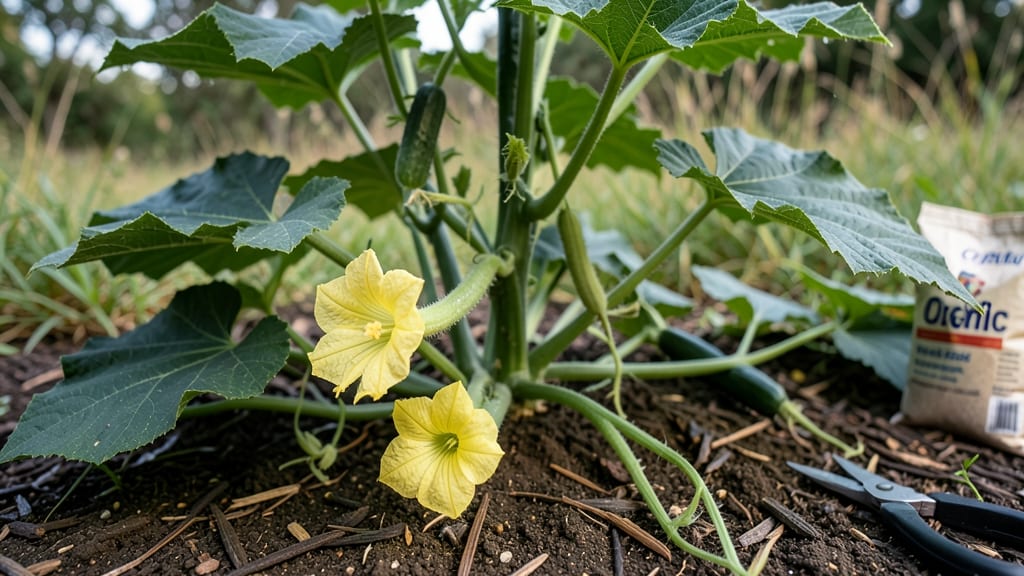
Your cucumbers aren't producing because they're fighting for survival—not growth. 🌡️ In hot climates, heat stress, poor pollination, or nutrient starvation can shut down fruit production before you even notice.
I’ve seen this happen to even the hardiest plants, and the good news? Most fixes are simple once you know what to look for.
First, check the basics: watering (too much or too little), light (are they getting 6+ hours of sun?), and soil (is it rich in compost?). Cucumbers need consistent moisture and balanced nutrients—especially nitrogen and potassium—to set fruit.
I once had a plant withering because its soil was too dry, and within a week of adjusting the watering schedule, it was flowering like crazy.
If the vines look healthy but still no cucumbers, pollination might be the issue. Hand-pollinate with a small brush or shake the flowers gently in the morning. Heat waves can also stop flowering entirely—providing afternoon shade with a row cover can make a huge difference in 3-5 days.
For stubborn cases, focus on one fix at a time—start with watering, then move to nutrients, and finally check for pests or disease. Most gardeners see results within 1-2 weeks of addressing the root cause.
If nothing works after a month, it might be time to consult a local extension office for soil testing.
Root Causes Behind Poor Cucumber Yields
When your cucumber plants look healthy but refuse to produce, the issue often boils down to a few key factors—some hidden, some obvious. Understanding these root causes is the first step to turning your garden into a fruitful oasis.
Here’s why your cucumbers might be playing hard to harvest, backed by science and actionable insights.
Cucumbers are vines that rely on bees, butterflies, or wind to transfer pollen between male and female flowers. In hot, arid climates, pollinators may be scarce, or male flowers (which appear first) might not effectively fertilize female flowers (the ones with tiny cucumbers at their base).
Why it happens:
- Heat stress reduces bee activity—temperatures above 90°F (32°C) can deter pollinators.
- Over-reliance on male flowers means female flowers (the ones that bear fruit) aren’t getting fertilized.
- Poor air circulation in dense plantings traps heat, further discouraging pollinators.
Actionable fix:
- Hand-pollinate by gently rubbing a male flower’s pollen onto a female flower’s stigma with a cotton swab or your finger.
- Plant pollinator-friendly flowers (like marigolds or nasturtiums) nearby to attract bees.
- Space vines properly (3–4 feet apart) to improve airflow and reduce heat buildup.
Cucumbers are heavy feeders, especially during fruiting. If your soil lacks key nutrients, plants may focus on leafy growth instead of producing fruit.
Why it happens:
- Low nitrogen (N) early on can stunt growth, but too much nitrogen later delays flowering.
- Phosphorus (P) deficiency slows root and flower development.
- Potassium (K) shortages weaken vines, reducing fruit set and quality.
- Calcium or magnesium deficiencies cause blossom-end rot (black spots on cucumbers) or poor pollination.
Actionable fix:
- Test your soil (pH should be 6.0–6.8). Adjust with lime (for acidity) or sulfur (for alkalinity).
- Side-dress with compost or a balanced fertilizer (10-10-10) when flowers appear.
- Use Epsom salt (magnesium sulfate) if leaves yellow between veins.
- Avoid over-fertilizing with nitrogen once flowering starts—switch to a low-N, high-P/K fertilizer (like 5-10-10).
Cucumbers need consistent moisture—too little or too much water throws off fruiting.
Why it happens:
- Drought stress causes flowers to drop before pollination.
- Fluctuating moisture (e.g., dry soil followed by heavy watering) leads to blossom-end rot or poor fruit development.
- Overwatering in hot climates can drown roots, starving the plant of oxygen.
Actionable fix:
- Water deeply 1–2 inches per week, aiming for the roots (not leaves) to prevent disease.
- Use drip irrigation or soaker hoses to keep soil evenly moist without wetting foliage.
- Mulch heavily (with straw or grass clippings) to retain moisture and cool roots.
- Avoid watering late in the day to prevent fungal issues like powdery mildew.
Cucumbers thrive in warm (70–90°F / 21–32°C) but not scorching conditions. Too much heat or cold shocks the plant, halting fruit production.
Why it happens:
- Temperatures above 95°F (35°C) cause flower drop—pollination fails, and flowers abort.
- Nighttime temps below 55°F (13°C) stunt growth and delay flowering.
- Sudden temperature swings (e.g., hot days, cool nights) confuse the plant’s fruiting cycle.
Actionable fix:
- Provide afternoon shade (with shade cloth) if temps exceed 90°F (32°C).
- Choose heat-tolerant varieties like ‘Straight Eight’ or ‘Lemon Cucumber’ for hot climates.
- Extend the season with row covers in early spring or fall to protect from cold snaps.
- Water in the early morning to help cool the soil and protect roots from heat stress.
Fungal diseases (like powdery mildew or downy mildew) and pests (such as cucumber beetles or spider mites) can weaken plants, reducing their ability to produce fruit.
Why it happens:
- High humidity + poor airflow creates ideal conditions for fungal spores.
- Cucumber beetles transmit bacterial wilt, which kills vines and stops fruiting.
- Spider mites suck plant sap, causing stunted growth and flower drop.
Actionable fix:
- Rotate crops annually to prevent soil-borne diseases.
- Spray neem oil or copper fungicide preventatively if humidity is high.
- Use row covers early to block pests like beetles.
- Handpick pests or introduce beneficial insects (like ladybugs) for natural control.
When cucumber vines compete for sunlight, nutrients, and space, they prioritize survival over fruiting.
Why it happens:
- Plants too close together (less than 3 feet apart) leads to shady, weak vines.
- Lack of pruning encourages excessive leafy growth at the expense of fruit production.
- Succession planting too late means vines mature in cooler weather, slowing fruiting.
Actionable fix:
- Space plants 3–4 feet apart (or trellis them vertically for better airflow).
- Prune aggressively—remove suckers (side shoots) and yellowing leaves to redirect energy to fruit.
- Train vines upward on a trellis to maximize sunlight exposure.
- Start a second planting 2–3 weeks later for a longer harvest window.
Quick Fixes for Cucumber Harvests
If your cucumber plants are throwing a "no fruit" tantrum, don’t panic—there’s almost always a fix! Below, we’ll tackle the most common causes of poor cucumber production in hot climates and show you how to turn things around with simple, actionable steps. 🌱💥
Fix: Balance heat and hydration to keep your plants happy.
- Shade cloth magic: Install 30-50% shade cloth during peak afternoon sun (12 PM–4 PM) to reduce stress. 🌞➡️🌿
- Drip irrigation: Water deeply at the base (not overhead) early in the morning to prevent leaf burn and wilting.
- Mulch like a pro: Apply 2–3 inches of straw or wood chips to retain moisture and cool roots.
✨ Prevention tip: Plant cucumbers in late spring or early fall when temps are 70–85°F—avoid mid-summer heatwaves if possible.
Fix: Master the "Goldilocks zone" for soil moisture.
- Check soil moisture: Stick your finger 1 inch deep—if it’s dry, water; if soggy, hold off. 💧👆 - Watering schedule: 1–1.5 inches per week (more in extreme heat).
Use a soaker hose for even distribution. - Drainage check: Ensure pots or garden beds have holes to prevent root rot from standing water.
💡 Pro tip: Water at the base, not the leaves, to avoid fungal diseases like powdery mildew.
Fix: Help your cucumbers reproduce naturally (or with a little nudge).
- Hand-pollinate like a bee: Gently tap flowers with a small brush or your finger to transfer pollen. 🐝➡️🌼
- Attract pollinators: Plant marigolds, nasturtiums, or basil nearby to draw bees and butterflies.
- Choose the right variety: Parthenocarpic cucumbers (like ‘Suyo Long’ or ‘Diva’) produce fruit without pollination—perfect for hot, bee-sparse climates!
🔥 Hot tip: If humidity drops below 40%, mist plants lightly in the morning to boost pollination success.
Fix: Feed your plants the right way for steady growth.
| Symptom | Likely Cause | Solution |
|---|---|---|
| Yellow leaves (older) | Nitrogen deficiency | Side-dress with compost or blood meal; use a balanced 10-10-10 fertilizer. 🌿💨 |
| Weak stems, small leaves | Phosphorus deficiency | Add bone meal or a phosphorus-rich fertilizer (like 5-10-10). |
| Brown leaf edges | Over-fertilizing (burn) | Flush soil with water; reduce fertilizer to every 3–4 weeks. |
| Slow growth, pale leaves | Potassium deficiency | Use wood ash or a banana peel tea (rich in potassium). 🍌✨ |
🎯 Prevention tip: Test your soil before planting—aim for a pH of 6.0–6.8 for cucumbers.
Fix: Give your cucumbers room to stretch (literally).
- Upgrade pots: Cucumbers need at least 12–18 inches of depth and sprawling space (trellis or large container). 🏗️🌿 - Repot if needed: If roots circle the pot, transplant into a larger container with fresh soil. - Trellis training: Grow vertically to improve airflow and fruit production.
Use a strong trellis or cage to support vines.
💡 Space saver: If gardening in small pots, prune side shoots to focus energy on main vines and fruit.
Fix: Keep cucumbers healthy and pest-free.
- Neem oil spray: Apply weekly to deter aphids, cucumber beetles, and spider mites. 🛡️🌿
- Row covers: Use floating row covers early in the season to block pests before they lay eggs.
- Remove diseased leaves: Snip off yellow or spotted leaves and sterilize pruners with rubbing alcohol. ❌🍃
✨ Prevention tip: Rotate crops yearly to prevent soil-borne diseases like powdery mildew.
Fix: Pick heat-tolerant cucumbers next time.
- Heat-resistant picks: Try ‘Armenian’ (snake cucumbers), ‘Marketmore 76,’ or ‘Straight Eight’—they thrive in 90°F+ temps.
- Short-season varieties: For very hot climates, choose ‘Lemon Cucumber’ or ‘Bush Champion’ (faster maturity).
🔥 Hot tip: If your current plants are struggling, succession plant with a new heat-loving variety in late summer.
Fix: Sync planting with your climate’s sweet spot.
- Best planting window: After last frost when soil is at least 60°F and nights stay above 55°F.
- Extend the season: Use black plastic mulch to warm soil faster in spring or row covers to protect from late frosts.
🌡️ Temperature rule: Cucumbers stop setting fruit when temps consistently exceed 95°F—plan around this!
If your plants are leafy but fruity, try this 3-step boost: 1. Prune aggressively: Cut back overly long vines to redirect energy to flowers.
- Feed with bloom booster: Use a low-nitrogen, high-phosphorus fertilizer (like 5-10-5).
- Stress them slightly: Lightly root-prune (gently scratch roots) to trigger flowering.
Remember: Cucumbers are fast growers—if you act now, you could see fruit in as little as 2–3 weeks! 🚀🍉 Start with one or two fixes (like shade cloth + hand-pollination) and monitor progress. Happy growing!
Frequently asked questions
Why do my cucumber vines have flowers but no fruit?
This usually means pollination isn't happening! Cucumbers need bees or wind to transfer pollen. In hot climates, bees may avoid high temps (90°F+) or male flowers (which appear first) aren't fertilizing female flowers (the ones with tiny cucumbers at their base). Try hand-pollinating by gently rubbing a male flower onto a female one with a cotton swab.
How often should I water cucumbers to encourage fruiting?
Cucumbers need 1-1.5 inches of water per week, delivered deeply at the base (not leaves) to prevent disease. In extreme heat, water daily in the morning while keeping soil consistently moist but not soggy. Use drip irrigation or soaker hoses to maintain even moisture—this triggers better fruit set than sporadic watering.
What nutrients do cucumbers need for fruit production?
Start with balanced fertilizer (10-10-10) when planting, then switch to low-nitrogen, high-phosphorus (5-10-10) when flowers appear. Key nutrients include phosphorus for root/fruit development and potassium for vine strength. Yellow leaves between veins? Add Epsom salt (magnesium sulfate)—this often revives flowering within 1-2 weeks.
Can I save my cucumber plants if they're already wilting?
Act fast! First, check for root rot (soggy soil) or drought stress (dry soil). If roots are healthy, prune 1/3 of the vines to reduce stress, then water deeply and provide afternoon shade with 30-50% shade cloth. For severe cases, trim back all but the main stem and focus on reviving the plant before expecting new fruit.
Are there cucumber varieties that produce better in heat?
Try heat-tolerant varieties like 'Straight Eight', 'Armenian Cucumber' (snake cucumbers), or 'Lemon Cucumber'. These thrive in 90°F+ temps and often produce even when regular varieties fail. For extreme heat, consider parthenocarpic varieties like 'Suyo Long' that produce fruit without pollination—ideal for areas with few bees.