
When to Plant Cucumbers in Central Texas: Frost-Free Window & Heat-Zone Hacks

Plants

When to Plant Cucumbers in Central Texas: Frost-Free Window & Heat-Zone Hacks

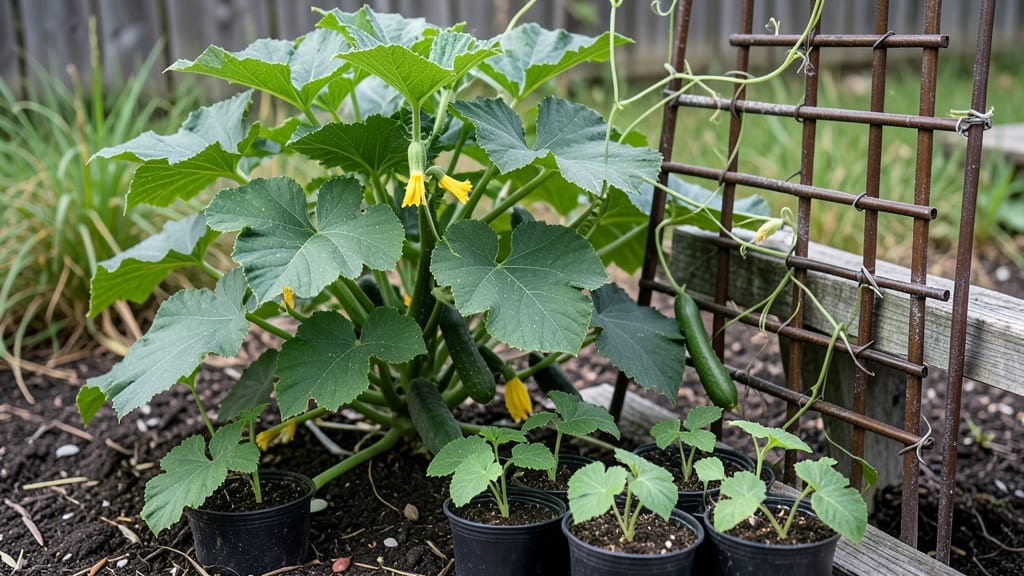
Plant cucumbers in Central Texas after the last frost date—typically mid-March—but timing is the difference between a thriving 🥒 harvest and a sad, wilted vine.

Central Texas gardeners know timing is everything—plant cucumbers too early, and frost will strike; too late, and scorching summer heat will stunt growth. Mastering the frost-free window and heat-zone hacks can mean the difference between a bountiful harvest and a sad, wilted vine.

With Zone 8a-8b frost-free days stretching from March 15 to November 15, you’ve got two prime windows: spring (mid-March to early May) and fall (late July to early September). But soil temperature must hit at least 60°F before you even think about sticking those seeds in the ground.

Below, I’ll break down the exact planting months, heat-tolerant varieties that thrive in Texas summers, and how to stretch your growing season with shade cloth and mulch—so you can enjoy crisp cucumbers from May to October.

🥒 When to Plant Cucumber
Jan ❄️
Feb 🌱
Mar 🥒
Apr 🥒
May 🌱
Jun 🌱
Jul 🥒
Aug 🥒
Sep 🌱
Oct 🍂
Nov 🍂
Dec ❄️
Ideal Time
Also Good

Central Texas cucumber planting calendar: frost dates, heat zones & ideal months

Central Texas sits in USDA Zones 8a-8b, where the difference between last frost (March 15) and first frost (November 15) creates a 215-day frost-free window. Cucumbers thrive in this window but demand precise timing—too early, and chilly soils slow germination; too late, and 100°F+ heat stresses vines.

The key is planting when soil hits 60°F and temperatures stay above 55°F at night.

For spring plantings, aim for mid-March to early May—this gives cucumbers 60-70 days of ideal growing conditions before summer’s brutal heat sets in.

Fall plantings should start late July to early September to harvest before the first frost. Adjust for microclimates: North-facing gardens may need a 2-week delay, while raised beds warm faster and can plant 1-2 weeks earlier.

Here’s your Central Texas cucumber planting calendar, broken down by month with soil temperature thresholds, heat warnings, and harvest windows:

Month Planting Window Soil Temp (°F) Heat Risk Harvest Window
February Start seeds indoors (if using transplants) 55-60°F Low (frost risk) N/A
March Direct sow after last frost (mid-March) 60-65°F Moderate (watch for late frosts) May-July
April Peak planting (early April) 65-75°F Low-Moderate May-June
May Late plantings (early May) 70-80°F High (heat stress risk) June-July
July Fall prep (late July) 75-85°F Very High (use shade cloth) September-October
August Direct sow for fall harvest

Heat-zone hacks: how to beat Central Texas’ summer scorcher for cucumber success

Central Texas summers can turn your cucumber patch into a wilting nightmare if you don’t adapt. The key is heat-resistant varieties, strategic shade, and smart watering—all while keeping those vines cool and hydrated.

I’ve grown cucumbers here for years, and these tricks have saved my harvests from the brutal 100°F+ heat we often face. Let’s break down the essential hacks to keep your cucumbers thriving when the thermometer spikes.

First, choose the right varieties—some cucumbers handle heat better than others. ‘Straight Eight’ and ‘Armenian’ varieties are my go-to picks because they mature quickly and tolerate heat better than traditional slicing cucumbers.

These varieties also produce fewer bitter-tasting fruits when stressed, which is a common issue in Central Texas summers. Planting them in late July or early August gives them a head start before the peak heat arrives.

🌱 Proven Heat-Zone Hacks for Cucumbers
  1. 🌡️ Use 30-50% shade cloth to block intense afternoon sun while allowing morning light for photosynthesis.
  2. 💧 Water deeply in the morning (1-2 inches per week) to keep roots cool and prevent fungal diseases.
  3. 🌿 Mulch with straw or black plastic to retain moisture and regulate soil temperature (keep it 60-75°F).
  4. 🪴 Trellis your vines to improve airflow and reduce heat stress on leaves.
  5. 🌱 Plant heat-tolerant varieties like ‘Straight Eight’ or ‘Armenian’ for faster harvests before peak heat.

Shade cloth is a game-changer in Central Texas. I swear by 30-50% shade cloth stretched over cucumber rows to filter out the harsh afternoon sun. This doesn’t just protect the plants—it also extends the growing season by 2-3 weeks into the fall. Install the shade cloth afternoon of day 1 when temperatures exceed 90°F, and remove it in the morning to let the plants soak up sunlight. Pair this with drip irrigation to keep water at the roots without wetting the leaves, which reduces disease risk.

Mulching is another non-negotiable step. I use straw mulch around my cucumber plants because it retains moisture, insulates roots, and suppresses weeds. For extra heat protection, black plastic mulch works wonders—it warms the soil faster in spring and keeps it cooler in summer.

Just remember to leave a small gap around the stems to prevent rot. Combine this with weekly compost top-dressing to feed the soil microbes that help cucumbers absorb nutrients efficiently.

Watering cucumbers in Central Texas is an art. Morning watering is critical—aim for deep, infrequent watering (1-2 inches per week) rather than light, frequent sprinkles. This encourages deep root growth, which helps plants withstand heat stress.

Avoid watering in the evening, as damp foliage invites powdery mildew, a common cucumber enemy in humid Texas summers. If you notice yellowing leaves or wilting, it’s a sign of heat stress or underwatering, not overwatering.

Finally, harvest frequently to keep plants productive. Cucumbers left on the vine overmature quickly in heat, leading to bitter fruit and reduced yields. I pick mine every 2-3 days during peak season, and this alone has doubled my harvest in past years.

Store any extras in the fridge, but don’t let them sit too long—fresh cucumbers taste best within 24 hours of picking!

★★★★★5.0(13 reviews)
Categories Plants