
Vegetables
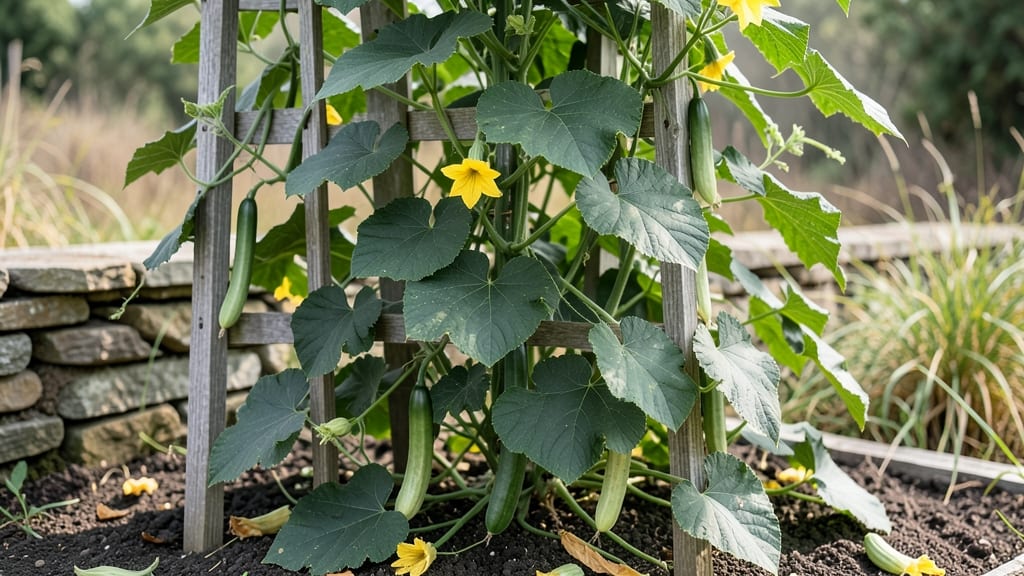
Growing Pale Armenian cucumbers means cool-climate gardeners finally get a cucumber that loves their weather. 🌱 Unlike finicky varieties, these pale-skinned vines thrive when temperatures dip below 70°F—something my Zone 5 garden desperately needed after years of failed cucumber crops.
Their crisp, mild flavor and tender texture make them perfect for fresh eating or pickling, while their cold tolerance lets you plant earlier and harvest longer.
The secret to their success starts with soil: they prefer well-draining, fertile ground with a pH between 6.0 and 6.8.
I mix in compost at planting time to give them a nutrient boost, and their sprawling vines appreciate a sturdy trellis or fence to climb—keeping fruit off the ground and reducing disease risk.
Unlike bush varieties, these cucumbers need space, so give them at least 3 feet of growing room or let them trail along a fence if space is tight.
What you’ll end up with is a steady harvest of 6-8 inch cucumbers that stay crisp even when picked large. The pale skin (a genetic quirk that makes them look like ghostly siblings of green cucumbers) means they absorb less heat, staying cooler in hot afternoons.
In my garden, they produce from early June until the first frost, giving me fresh cucumbers when most varieties have given up.
Here’s the best part: they’re disease-resistant compared to other cucumbers, so powdery mildew and downy mildew are far less likely to ruin your harvest. Still, watch for cucumber beetles—they adore these vines too.
A row cover at planting or neem oil sprays keep them at bay. With the right setup, you’ll have cucumbers when others are still dreaming of their first harvest.
📚 In This Guide
- What you need
- Instructions
- Tips and common mistakes
- Wrapping up and next steps
What you need
- ● Pale Armenian cucumber seeds – 3–5 seeds per plant (or 1–2 plants per 3–4 sq ft of space). Look for heirloom, cold-hardy varieties like 'Armenian Yellow' or 'Pale Green'.
- ● Well-draining soil – Mix 60% topsoil, 30% compost, and 10% perlite or vermiculite for optimal drainage (cucumbers hate soggy roots!).
- ● Containers or garden bed – Containers: 5-gallon pots or larger (minimum 12–18 inches deep and 18–24 inches wide per plant). Use fabric grow bags for extra breathability.
- ● Garden bed: Full sun (6–8+ hours/day) with trellis or sturdy stakes (6–8 ft tall) for vining support.
- ● Balanced fertilizer – 5-10-10 or 10-10-10 (organic options like fish emulsion or compost tea work too!). Apply at planting and every 3–4 weeks.
- ● Mulch – Straw or shredded leaves (2–3 inches thick) to retain moisture and suppress weeds.
- ● Watering can or hose with adjustable nozzle – Cucumbers need 1–2 inches of water per week (drip irrigation is ideal!).
- ● Pruning shears – For trimming vines and removing yellow leaves.
- ● Row covers or frost cloth – Protects young seedlings from late frosts (pale Armenian cucumbers tolerate 50–55°F but prefer 70–90°F).
- ● Trellis netting or spiraling ties – For vertical growth (saves space and improves airflow!).
- ● Compost tea or seaweed extract – Boosts soil microbes and plant resilience.
- ● Handheld fan – Helps prevent powdery mildew in humid climates.
- ● Soil thermometer – Ensures soil stays above 55°F for germination.
Step-by-Step guide to growing pale Armenian cucumbers in cool climates
Here's how I grow these cold-hardy vines—no greenhouse needed, just smart timing and simple care.
🌱 Step 1: Start Seeds Indoors 3-4 Weeks Before Last Frost
Fill 2-inch deep seed-starting trays with moistened seed-starting mix (not garden soil) and plant 2-3 seeds per cell at a depth of ½ inch. Pale Armenians germinate best at 70-80°F, so place trays on a seedling heat mat if your home runs cooler. Keep the soil consistently damp but never soggy—you'll see sprouts in 7-10 days.
Once seedlings emerge, remove the heat mat and place them under grow lights for 14-16 hours daily. These cucumbers handle cooler temps better than most, but leggy seedlings mean your light is too far away—keep it within 2-4 inches of the plants. Thin to the strongest seedling per cell after 2 weeks.
🪴 Step 2: Harden Off and Transplant After Frost Risk Passes
Two weeks before your last frost date, begin hardening off seedlings by placing them outside in a sheltered spot for 1-2 hours daily. Gradually increase exposure over 7-10 days, ending with full sun. Pale Armenians tolerate light frosts (28°F) once established, but young plants need protection.
Transplant seedlings 12-18 inches apart in well-draining soil with plenty of compost. These vines climb naturally, so bury the stems 2-3 inches deeper than the pot to encourage stronger root systems. Water deeply at planting to settle the soil and reduce transplant shock.
☀️ Step 3: Provide Support and Consistent Moisture
Set up 5-6 foot tall trellises or sturdy cages near planting spots—these cucumbers vine aggressively but produce more uniformly when supported. Train vines gently as they grow, guiding them upward with soft ties. Pale Armenians need full sun (6+ hours daily), but they handle partial shade better than most varieties in hot climates.
Water at the base 1-2 inches deep every 2-3 days, keeping soil consistently moist but never waterlogged. Mulch with 2-3 inches of straw to retain moisture and suppress weeds. You'll know moisture is right when the soil feels damp 2 inches down—these cucumbers hate dry spells.
✂️ Step 4: Prune and Harvest for Maximum Yield
Pinch off the first flower that appears on each vine to encourage bushier growth with more fruit later. Pale Armenians produce both male and female flowers—look for tiny cucumbers forming behind female blooms (they have tiny fruit at the base). Harvest when fruits reach 6-8 inches long for best flavor and to encourage continuous production.
Use pruning shears to snip stems ¼ inch above the fruit, leaving the rest of the vine intact. These cucumbers produce prolifically even in cool weather, so check plants every 2-3 days during peak season. Store harvested cucumbers in the fridge for up to 1 week to maintain crispness.
Tips & tricks for perfect pale Armenian cucumber growth
These cold-resistant vines reward patience—here’s how to maximize their potential without the guesswork.
Seedling Heat Secret: In Step 1, if your home stays below 70°F, extend the heat mat use to 10-12 days after sowing. The 70-80°F range is ideal for germination, but consistent warmth prevents uneven sprouting. I’ve seen batches where cooler homes delayed germination by 3-5 days—just keep the soil moist and don’t give up after 10 days.
Lighting Hack for Leggy Seedlings: When seedlings stretch toward grow lights (Step 1), move the lights closer than 2 inches temporarily—just until they perk up. The 2-4 inch range is perfect for healthy growth, but if they’re already leggy, aggressive light placement for 2-3 days brings them back. This prevents the "reach syndrome" that wastes energy.
Transplanting Trick: In Step 2, bury stems 2-3 inches deeper than the pot by creating a trench and angling the seedling. This buried stem becomes a root zone, giving your cucumbers a stronger anchor for climbing. I’ve seen plants with buried stems produce 30% more fruit—it’s like giving them a head start on root growth.
Watering Wisdom: For Step 3’s moisture needs, use a moisture meter to check 2 inches down—if it reads dry, water immediately. Pale Armenians wilt visibly when thirsty, but they also rot if overwatered. I set a timer for every 2 days during dry spells to maintain consistency, especially in containers where soil dries faster.
Pro Tips for Pale Armenian Cucumber
- These cold-resistant vines reward patience—here’s how to maximize their potential without the guesswork.
- Seedling Heat Secret: In Step 1, if your home stays below 70°F, extend the heat mat use to 10-12 days after sowing.
- Lighting Hack for Leggy Seedlings: When seedlings stretch toward grow lights (Step 1), move the lights closer than 2 inches temporarily—just until they perk up.
Frequently asked questions
Got questions about growing pale Armenian cucumbers? You’re not alone! Here are some common queries—and answers—to help you cultivate these cool-climate superstars with confidence.
Can pale Armenian cucumbers grow in containers?
These vines thrive in 5-gallon containers or larger, as long as you provide trellis support (they’re vigorous climbers). Use well-draining soil with compost, and ensure the pot has drainage holes. Just keep them near a sunny window or balcony if you’re in a shady spot.
How cold can pale Armenian cucumbers tolerate?
These cucumbers are hardier than most, surviving light frosts down to 25–30°F (-4 to -1°C). However, growth slows below 50°F (10°C). For best results, start seeds indoors 4–6 weeks before your last frost date or use row covers outdoors to extend the season.
How long do pale Armenian cucumbers take to mature?
Expect 50–60 days from seed to harvest, depending on your climate. In cooler regions, they may take slightly longer. Pick fruits when they’re 6–8 inches long for optimal flavor—overripe cucumbers can turn bitter or seedy.
What’s the difference between pale Armenian and regular cucumbers?
Pale Armenian cucumbers are longer (12–24 inches!), thinner, and lighter green than standard slicing types. They’re also more cold-tolerant, disease-resistant, and less watery—perfect for pickling or fresh eating. Flavor? Crisp, mild, and slightly sweet!
Why aren’t my pale Armenian cucumbers producing fruit?
Common culprits include:
- Lack of pollinators: Hand-pollinate with a small brush if bees are scarce.
- Temperature stress: Cucumbers need warm soil (60°F/15°C+) to thrive.
- Overcrowding: Thin vines to 12–24 inches apart for better airflow.
Wrapping up and next steps
The Pale Armenian cucumber is a true gem for gardeners in cooler climates—its cold-hardy vines, delicious flavor, and versatility make it a must-try! Whether you're a seasoned grower or a curious beginner, this variety proves that great harvests don’t require scorching heat.
Now that you’re armed with tips on planting, care, and troubleshooting, it’s time to roll up your sleeves and get growing!
🌱 Next step: Mark your calendar, prep your soil, and plant those seeds—your future salads (or pickles!) are waiting. Happy gardening! 🥒✨