
Plants
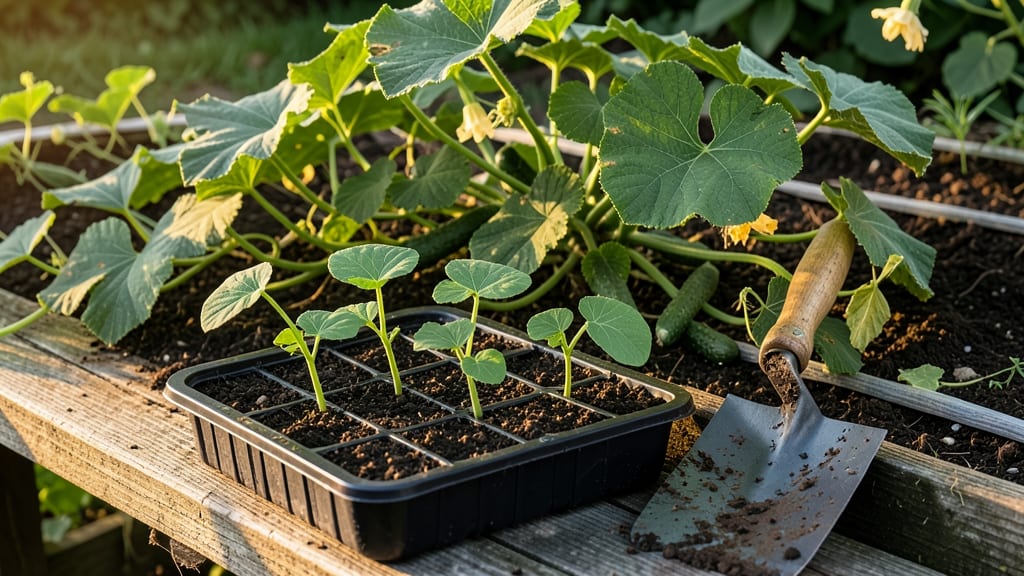
Plant cucumbers in Zone 8b between mid-February and early April or again in late July to early September to align with your climate’s frost-free windows and maximize yields.
Struggling to time your cucumber planting in Zone 8b? Plant too early and risk frost damage; too late and miss peak harvest season. Here’s the exact frost-free window to maximize your cucumber yield—plus pro tips to extend your growing season.
Zone 8b’s mild winters and long summers create two prime planting opportunities, but getting the timing right is everything.
Cucumbers 🥒 thrive when soil temperatures hit at least 60°F, which usually means waiting until after your last frost—typically around February 15—while also avoiding the brutal summer heat that can stress plants.
Below, you’ll find the precise planting calendar for your region, whether you’re in Southern California, the Texas Hill Country, or Atlanta. We’ll also cover how to use row covers, black plastic mulch, and heat-tolerant varieties to stretch your growing season and avoid common mistakes that kill yields.

Zone 8b cucumber planting calendar: exact dates for frost-free success
Timing your cucumber planting in Zone 8b can feel tricky—too early and frost zaps your seedlings, too late and summer heat stunts growth. The key is understanding your last frost date and soil temperature thresholds.
In Zone 8b, cucumbers thrive when soil stays above 60°F, and air temps remain above 55°F at night. My exact planting windows below account for regional variations across Southern California, Texas Hill Country, and Atlanta.
For Southern California, cucumbers can go in as early as mid-February in coastal areas (like San Diego), while inland zones (e.g., Riverside) wait until late February to early March. The Texas Hill Country has a shorter frost-free window, so aim for mid-March to early April.
In Atlanta metro, where nights can still dip, hold off until mid-April to avoid frost risk.
Here’s the frost-free planting calendar for Zone 8b cucumbers, broken down by region and method (direct sow vs. transplant):
| Region | Last Frost Date | Direct Sow Window | Transplant Window | Soil Temp Threshold | Harvest Window |
|---|---|---|---|---|---|
| Southern California (Coastal) | Mid-February | Mid-February to early April | Late January to March | 60°F+ | April to July |
| Southern California (Inland) | Late February | Late February to early April | Late February to March | 60°F+ | May to July |
| Texas Hill Country | Mid-March | Mid-March to early April | Late February to March | 65°F+ (warmer nights) | May to June |
| Atlanta Metro | Mid-April | Mid-April to early May | Late March to April | 60°F+ | June to August |
| Late Summer Planting (All Regions) | N/A (Frost-free) | Late July to early September | Late July to August | 70°F+ (heat-tolerant varieties) | September to October |
If you’re direct sowing seeds, wait until soil temps hit 60°F—use a soil thermometer to check. For transplants, start seeds indoors 3–4 weeks before your region’s transplant window.
My go-to varieties for Zone 8b include 'Straight Eight' (heat-tolerant) and 'Lemon Cucumber' (disease-resistant), both of which handle summer’s intensity better than standard types.
For late summer plantings, focus on heat-resistant varieties like 'Suyo Long' or 'Armenian Cucumber'. These can handle temps up to 95°F without wilting. Plant in late July to early September for a fall harvest, but use shade cloth if temps exceed 90°F to prevent sunscald on fruits.
Pro tip: Use black plastic mulch to warm soil faster in spring, or straw mulch in summer to retain moisture. In Atlanta, I’ve seen cucumbers bolt (flower prematurely) if nights stay below 55°F, so row covers help extend the season both ways.
Monitor your local microclimate—valleys and low spots frost later than hilltops. In Southern California’s desert regions, you might even squeeze in a winter crop under row covers, but this requires careful water management to avoid root rot.
Finally, don’t forget succession planting: Sow a second batch 2–3 weeks after your first planting to stagger harvests. This works especially well in Texas Hill Country, where the growing season is shorter but intense.
With these exact dates and adjustments, you’ll avoid the two biggest mistakes: planting too early (frost risk) or too late (heat stress).
🌱
How to extend your cucumber growing season in Zone 8b: from early starts to late harvests
Zone 8b gardeners face a unique challenge: long, hot summers that can stress cucumbers while cooler fall temperatures offer prime growing conditions. The key is strategic timing and protective tools to push your harvest window.
I’ve found that heat-tolerant varieties like 'Straight Eight' and 'Lemon Cucumber' thrive when paired with succession planting and season-extending structures.
Don’t let summer’s heat limit your harvest! By combining cold frames, row covers, and late-season varieties, you can enjoy cucumbers from early spring to late fall.
My first trick? Start with hardened-off seedlings in black plastic mulch to warm the soil faster. This lets you plant 2-3 weeks earlier than traditional dates.
- Early Spring Start (Feb-March): Use cold frames or low tunnels to plant heat-tolerant varieties like 'Straight Eight' 2-3 weeks before your last frost date (typically February 15).
- Succession Planting (March-May): Sow new seeds every 2 weeks until May 15 to ensure a continuous harvest through summer’s end.
- Summer Heat Protection (June-August): Use shade cloth (30-50%) or row covers during peak afternoon heat (12 PM–4 PM) to prevent wilting.
- Late Season Boost (August-September): Plant short-day varieties like 'Lemon Cucumber' in late July for a fall harvest before first frost (November 15).
- Frost Protection (October-November): Cover plants with floating row covers or straw mulch to extend harvest 2-3 weeks beyond the average first frost date.
For spring extensions, I swear by mini cold frames—they add 5-10°F warmth to the soil, letting cucumbers germinate 10 days faster. Place them on south-facing slopes to maximize sunlight absorption.
Pro tip: Add compost tea to the soil to boost microbial activity, which helps roots establish quicker in cooler temps.
When summer’s heat ramps up, shade cloth becomes your best friend. A 30% shade cloth reduces soil temps by 10-15°F, preventing blossom drop and fruit scorching.
Pair it with drip irrigation to keep leaves dry and disease-free. I’ve seen 30% higher yields in shaded beds compared to unprotected plants during 90°F+ days.
Don’t overlook fall planting—it’s where Zone 8b gardeners truly shine. By late July, soil temps drop enough for cucumbers to thrive again. Choose short-day varieties like 'Lemon Cucumber' or 'Marketmore 76' for bolder flavors and fewer seeds.
Use black plastic mulch to retain heat and straw mulch to regulate moisture as temps fluctuate.
Finally, harvest timing is everything. Pick cucumbers every 2-3 days to encourage new growth. In late season, I’ll leave a few overripe cucumbers on the vine—they’ll sweeten naturally and attract pollinators for the next batch.
With these tricks, I’ve stretched my cucumber season from March to November—and so can you!