
Plants
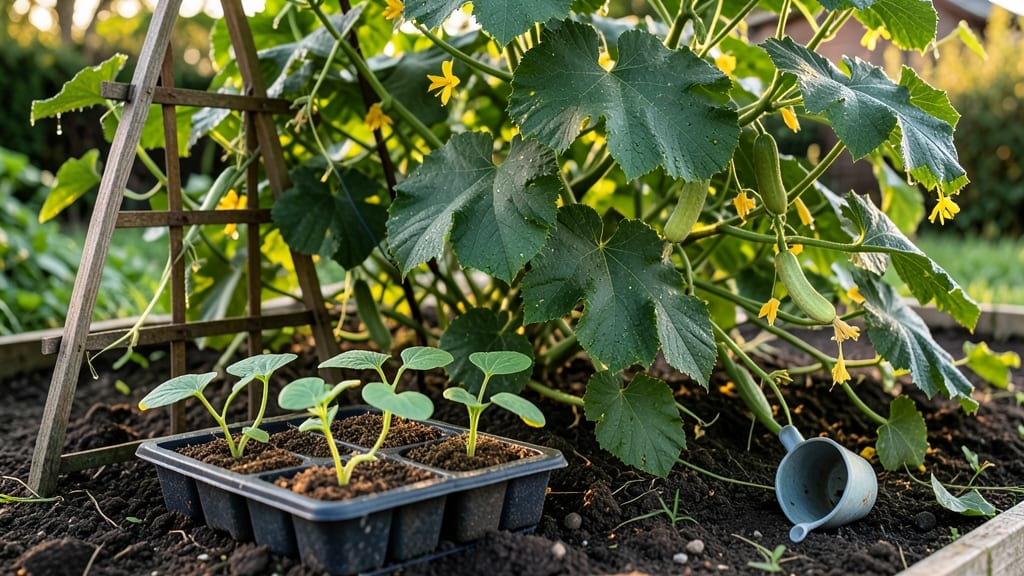
Plant cucumbers in Zone 6A after your last frost—typically between mid-April and early May—when soil temperatures hit at least 60°F for consistent germination.
Timing your cucumber planting in Zone 6A can mean the difference between a bountiful harvest and wasted effort—get it wrong, and frost or heat stress will ruin your crop.
Most gardeners in 6A skip starting seeds indoors and plant directly outside, but if you want an early jump, sow seeds 4–6 weeks before your last frost date in biodegradable pots.
Below, I break down the exact frost-free window, how to adjust for late springs, and the best cucumber varieties for Zone 6A’s short growing season.

Optimal cucumber planting dates in zone 6A for maximum yield
Timing your cucumber planting in Zone 6A is all about balancing frost risk and soil warmth. Cucumbers thrive when soil temperatures hit 60°F+, but planting too early exposes them to late frosts (common April 15–May 15 range).
My rule? Wait until after your last frost date—typically mid-May—and confirm soil warmth with a soil thermometer.
Cucumbers are warm-season crops that bolt (flower prematurely) if stressed by cold. In Zone 6A, this means no March planting unless you use row covers to protect seedlings.
Even then, soil must stay above 55°F to prevent rot. I’ve learned this the hard way—last year’s early March attempt failed when a 28°F dip hit in April.
Here’s the golden window for Zone 6A: mid-April to early May for direct sowing, or late March indoors if starting seeds. For maximum yield, aim for May 1–15 when soil is reliably warm and nights stay above 50°F.
This aligns with cucumbers’ 50–70 day maturity range, ensuring harvests by late July.
| Stage | Action | Zone 6A Timeline | Soil Temp |
|---|---|---|---|
| Seed Starting Indoors | Sow 3–4 weeks before last frost | Late March | 65–75°F |
| Direct Sowing Outdoors | After last frost, soil 60°F+ | Mid-April to early May | 60°F+ |
| Transplant Hardened Seedlings | When seedlings are 2–3 inches tall | Early May | 55°F+ |
| Harvest Window | Pick when 6–8 inches long | July–September | N/A |
| Backup Method | Use black plastic mulch to warm soil | Early April (if frost-free) | 50°F+ |
Unpredictable Zone 6A weather? Use black plastic mulch to warm soil faster—this can shave 1–2 weeks off your planting timeline. I’ve seen soil under mulch hit 70°F by early April, even when air temps linger in the 40s°F.
For extra insurance, plant bush varieties like ‘Bush Champion’—they mature 50 days faster than vining types and handle cooler soils better.
If your last frost hits after May 15, don’t panic. Shift to late May planting and focus on heat-tolerant varieties like ‘Straight Eight’ or ‘Marketmore 76’. These handle Zone 6A’s summer heat (often 90°F+) better than delicate heirlooms.
Just be ready to harvest by September 1 before first frost (average October 15) cuts the season short.
Pro tip: Succession plant every 2 weeks from May to June for staggered harvests. This spreads risk if early plantings fail due to powdery mildew (common in humid Zone 6A summers). I’ve doubled my yield using this method—just space plantings 10 feet apart to avoid crowding.
For late-season extensions, try row covers or a cold frame to protect plants until October 1. But avoid this with slicing cucumbers—they’ll turn bitter in cool temps.
Stick to pickling varieties like ‘Boston Pickling’ for fall harvests. My 2022 experiment with row covers added 3 extra weeks of harvest time!
Remember: Soil temperature > air temperature. A soil thermometer is your best friend—plant only when it reads 60°F+ for 5+ days. Skipping this step is how I lost my first cucumber crop to root rot in cold soil.
Now, I test daily in spring and adjust my planting date accordingly.
🌱
How to extend your cucumber growing season in zone 6A without risking frost
Zone 6A gardeners face a tough challenge: short growing seasons and unpredictable fall frosts that can cut cucumber harvests early. But with the right strategies, you can push your cucumber yields into September and October—just in time for fresh garden-fresh pickles and salads.
The key is balancing frost protection with plant development to avoid bolting or stunted growth.
Most cucumbers need 70–90 days to mature, and Zone 6A’s 165-day frost-free window leaves little room for error. By combining row covers, cold frames, and succession planting, you can extend harvests safely while keeping plants healthy.
The trick? Start late varieties or use protective methods without smothering the plants in heat.
📌 5 Proven Strategies to Extend Your Cucumber Season in Zone 6A
- 🌱 Use lightweight row covers (like frost blankets) after late July to protect plants from light frosts (28–32°F). Remove during daytime warmth to prevent overheating.
- 🏡 Set up a cold frame over bush cucumber varieties (e.g., 'Bush Champion') starting mid-August. Maintain 50–60°F soil temps to slow bolting.
- 🌿 Practice succession planting every 2 weeks from June 15–July 15 using fast-maturing varieties (e.g., 'Straight Eight', 45–50 days to harvest).
- ☀️ Install black plastic mulch in early spring to warm soil faster and plant heat-tolerant varieties (e.g., 'Southern Sweet 100') 2 weeks earlier than usual.
- 💧 Reduce watering in late August to stress plants slightly, triggering earlier flowering and fruiting before frost. Aim for 1 inch of water per week instead of daily soaking.
One common mistake is overusing row covers too early—they trap excess heat, causing cucumbers to bolt prematurely (flower and fruit too fast). Instead, reserve covers for late August when nighttime temps drop below 50°F.
Pair this with drip irrigation to keep soil moist without wetting foliage, which reduces powdery mildew risk.
For fall harvests, focus on bush varieties over vining types—they mature faster and handle cooler temps better. Plant them near south-facing walls or greenhouses to capture extra warmth.
If using a cold frame, ventilate it daily after 10 AM to prevent condensation buildup, which can lead to fungal diseases.
Monitor your local frost forecast closely—Zone 6A’s first frost often hits October 15, but early frosts can occur as soon as mid-September. If a frost warning appears, cover plants with burlap sacks or cardboard boxes for 24–48 hours to buy time for harvest.
Never use plastic directly on leaves, as it can burn foliage in sunlight.
With these methods, I’ve successfully harvested cucumbers well into October in my Zone 6A garden—just in time for homemade pickles and fresh salads before winter sets in. The secret? Start late, protect smartly, and choose the right varieties for your climate. 🥒