
Plants
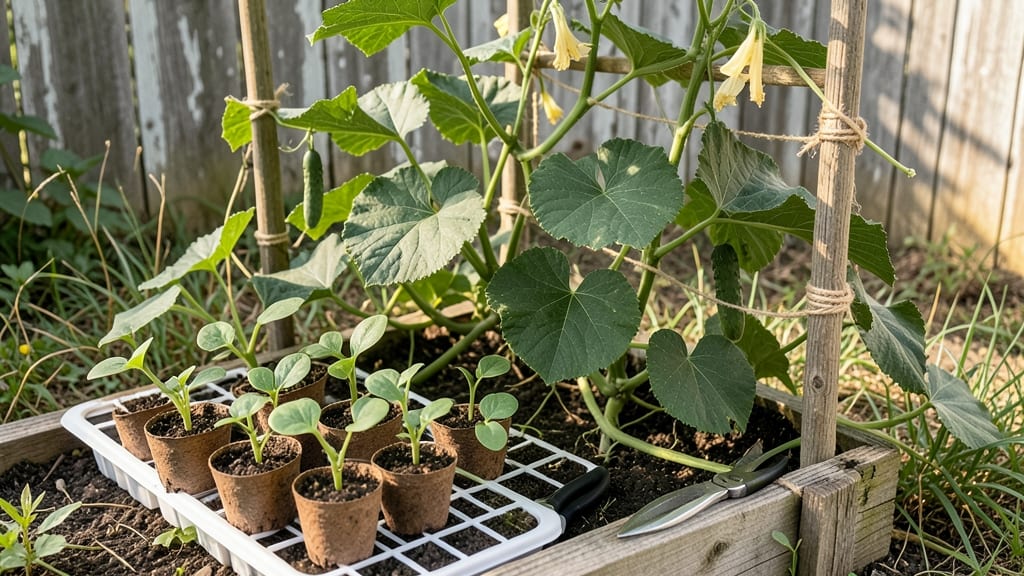
Plant cucumbers in Southern California between mid-February and mid-April for a summer harvest, but timing varies by microclimate — coastal areas can start earlier, while inland zones must wait until soil warms.
Southern California’s warm climate makes cucumbers a garden staple—but planting them at the wrong time means bitter fruit or poor yields. Timing is everything, and the right heat-zone strategy can turn your garden into a high-yielding 🥒 factory.
Coastal gardeners in Zone 10 can sow seeds as early as late January, while inland areas in Zone 9 should wait until March to avoid heat stress. The key is planting when daytime highs stay below 85°F for at least two weeks.
Here’s how to sync your planting schedule with SoCal’s heat zones, plus tips to extend harvests through fall—without bolting your plants in July’s peak temperatures.
Southern California heat-Zone planting calendar: best months by region
Southern California’s microclimates create unique planting challenges for cucumbers. Coastal areas like San Diego (Zone 10) enjoy milder summers, while inland Los Angeles (Zone 9) and Palm Springs (Zone 11) face extreme heat. Understanding these heat tolerance thresholds ensures your cucumbers thrive—not just survive.
Cucumbers hate prolonged heat over 90°F, which causes bitter fruit and poor growth. The key is planting when soil temperatures stay consistently above 60°F but before summer’s peak heat stress. Coastal regions can plant 2-3 weeks earlier than inland areas, extending your harvest window.
Here’s how to align your planting with SoCal’s frost-free dates and heat zones for maximum productivity:
| Region | USDA Zone | Best Planting Window | Heat Tolerance Threshold | Avoid Planting After |
|---|---|---|---|---|
| Coastal (San Diego, Santa Barbara) | Zone 10 | Mid-February to early April | 85°F soil temp | Late May (summer heat) |
| Inland Valleys (LA, Riverside) | Zone 9 | Late March to early May | 75°F soil temp | June 15 (extreme heat) |
| Desert (Palm Springs, Coachella) | Zone 11 | Late August to early October | 95°F soil temp (shade cloth) | November 1 (frost risk) |
| Mountain Foothills (San Bernardino) | Zone 8-9 | April 15 to May 15 | 70°F soil temp | July 1 (heat stress) |
🌱 Pro Tip: Use shade cloth (30-50%) in Zone 11 to protect plants during peak afternoon heat.
For coastal gardeners, early planting in February-March lets you harvest before summer’s heat sets in. Inland areas should wait until late March-April to avoid bolting (premature flowering). Desert regions like Palm Springs shift to a fall planting schedule, avoiding summer’s brutal heat.
Extend your harvest with succession planting. Sow new seeds every 2-3 weeks during your region’s ideal window. This ensures a steady supply of fresh cucumbers without overwhelming your garden at once. For example, in Zone 9, plant March 1, March 15, and April 1 for staggered harvests.
Soil temperature is more critical than air temperature for cucumbers. Use a soil thermometer to confirm readings. Aim for 60-75°F before planting. If your soil runs cooler (common in spring mornings), wait a few days or use black plastic mulch to warm it faster.
Heat-tolerant varieties like ‘Straight Eight’ or ‘Marketmore 76’ perform best in Zone 10-11. Pair them with shade cloth during June-August to prevent sunscald on fruit. In Zone 9, focus on early-maturing varieties like ‘Bush Champion’ to harvest before heat stress kicks in.
Watering strategy shifts with seasonal heat. In spring, water deeply 2-3 times per week. By summer, increase to daily watering in the early morning to prevent blossom-end rot. Mulch with straw or wood chips to retain moisture and cool roots.
Monitor your plants for heat stress signs: yellowing leaves, curling vines, or bitter-tasting fruit. If temperatures exceed 95°F for more than 3 days, provide afternoon shade with row covers or temporary shade structures. This simple step can double your yield in desert climates.
Plan for a second harvest in fall. After summer’s heat breaks (usually late August-September), soil temperatures drop, making it ideal for another planting. This fall window often produces sweeter, higher-quality cucumbers with less pest pressure.
How to avoid common cucumber planting mistakes in Southern California
Southern California’s intense summer heat can turn your cucumber plants into bitter, seedy disappointments if you don’t plan carefully. The biggest mistake I see? Planting too late in spring or ignoring heat tolerance thresholds.
Cucumbers thrive in 60-75°F soil, but SoCal’s 90°F+ days trigger bolting—where plants flower and fruit prematurely, leaving you with small, tough cucumbers.
Another critical error is overwatering without proper drainage. Many gardeners drown their cucumbers, leading to root rot or powdery mildew. And let’s not forget soil prep—skipping compost or using heavy clay soil can stunt growth. These mistakes aren’t just annoying; they can wipe out your entire harvest in weeks.
⚠️ When to Plant Cucumbers in Southern California
Coastal areas (Zone 9-10): Plant March 1–April 15 for spring harvests. Avoid June–August—heat stress causes bolting. Fall plantings work best August 15–September 30 for cooler weather.
Inland desert (Zone 11): Start February 15–March 15 and again August 1–September 15. Use shade cloth in peak summer to prevent heat damage.
To beat the heat, I recommend succession planting every 2–3 weeks from spring through early summer. This keeps your garden producing while older plants mature. For soil prep, mix in 3–4 inches of compost and a 5-10-10 fertilizer to encourage strong root growth.
Avoid fresh manure—it burns tender cucumber roots.
Watering is where most gardeners trip up. Cucumbers need 1–2 inches of water weekly, but drip irrigation is a game-changer. It keeps leaves dry, reducing fungal diseases like powdery mildew.
Water in the early morning to prevent evening moisture from lingering on foliage. Mulch with straw or wood chips to retain soil moisture and keep roots cool.
If your plants start bolting (sending up flower stalks too early), don’t panic. Try shade cloth (30–50%) to lower temperatures by 10–15°F. For container growers, move pots to partial shade during 11 AM–3 PM when temps exceed 85°F.
Varieties like ‘Straight Eight’ or ‘Marketmore 76’ handle heat better than standard slicing types.
Finally, watch for pests like cucumber beetles and spider mites, which thrive in hot, dry conditions. Use row covers for young plants or spray with neem oil weekly. With these adjustments, you’ll avoid the top 3 cucumber-killers in SoCal: heat stress, poor soil, and inconsistent watering.
Your garden will reward you with crisp, sweet cucumbers all season long. 🥒