
How To
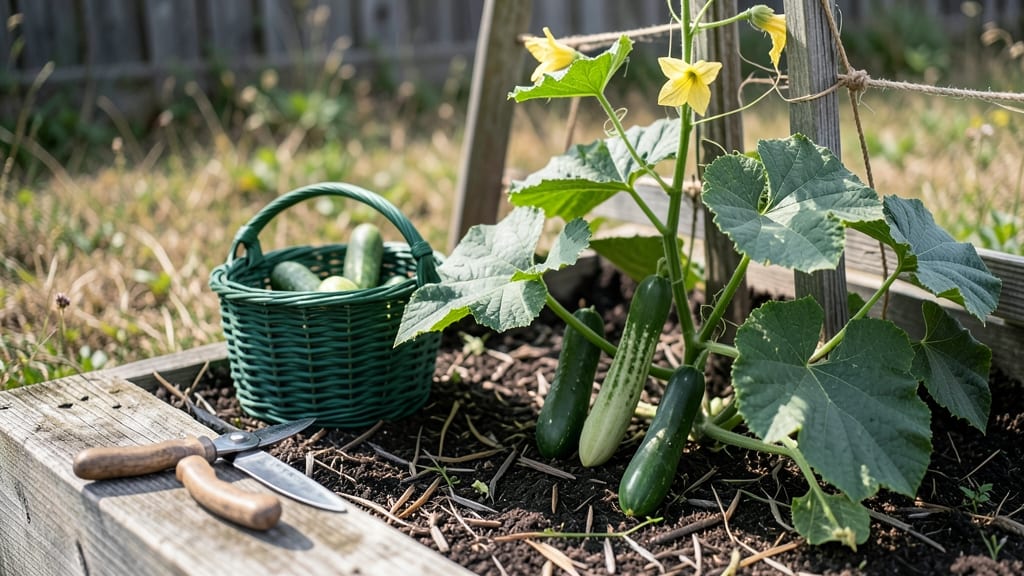
To pick cucumbers off the vine at the perfect moment means turning a crisp, seedless harvest into your kitchen staple — and missing the window just once can turn them bitter.
You’ve probably stared at your 🥒 cucumber plants wondering, "Are they ready yet?" The truth is, timing matters more than you think. Harvest too early, and you’re left with underdeveloped fruit. Wait too long, and you’re dealing with tough, seedy, or even bitter cucumbers that no one wants to eat.
In this guide, I’ll walk you through the three unmistakable signs that your cucumbers are ready for harvest, whether you’re growing slicing types or pickling varieties. You’ll learn how to check them daily, avoid common mistakes, and keep your plants producing all season long.
By the end, you’ll know exactly when to reach for those pruners — and how to keep your harvest fresh, flavorful, and ready for the table.

3 Unmistakable signs your cucumbers are ready for harvest
Harvesting cucumbers at the right moment transforms your garden into a crisp, seedless treasure trove. Miss these signs, and you risk bitter, overgrown cucumbers that spoil faster than they ripen.
I’ve learned the hard way—when cucumbers linger too long on the vine, they develop cucurbitacin, a compound that turns them bitter and unappetizing. The key is knowing exactly what to look for, whether you’re growing slicing varieties like 'Straight Eight' or pickling types like 'Boston Pickling'.
Timing your harvest isn’t just about size—it’s about a combination of color, texture, and stem cues. For example, a slicing cucumber should be firm but not rock-hard, while a pickling cucumber can be slightly smaller and harvested earlier.
Ignore these details, and you’ll end up with cucumbers that are either too tough or too soft. Let’s dive into the three foolproof signs that tell you it’s time to grab your pruners.
🌱 When to Pick Cucumbers: 3 Key Signs
- 📏 Size Matters: Slicing cucumbers should reach 6-8 inches (pickling types: 2-4 inches). Measure from blossom end to tip—this is your first clue!
- 🤏 Skin Texture: Gently press a cucumber with your thumbnail. If it gives slightly but doesn’t dent, it’s ready. Hard skin means it’s too early; soft skin means it’s past its prime.
- 🟡 Stem Color: Check the stem end. A yellowing or brownish blossom end signals the cucumber has stopped growing. A green stem end means it’s still maturing.
Pro Tip: For seed development, slice open a cucumber. If seeds are small and white, harvest now. Dark, swollen seeds mean it’s overripe.
Let’s talk about color consistency, because this is where many gardeners trip up. A ripe cucumber should be a uniform, deep green (or the specific color of your variety, like yellow for 'Lemon Cucumber'). Uneven or pale patches?
That’s a sign it’s not ready yet. I once picked a batch of cucumbers that looked perfect but had white streaks—turns out, they were still growing and needed another day or two. Always double-check with your thumbnail test.
Texture is your best friend when it comes to tactile cues. A cucumber ready for harvest should feel firm but not hard. Think of it like a ripe avocado—just the right amount of give. If it feels spongy or mushy, it’s overripe and likely to spoil quickly.
I like to run my fingers along the cucumber’s surface; if it feels slightly rough or bumpy, that’s another green light to harvest. Smooth skin often means it’s still maturing.
Don’t overlook the stem’s role in signaling readiness. When a cucumber is fully mature, the stem where it attaches to the vine will snap easily when bent gently. This is nature’s way of telling you it’s time to pick.
If the stem resists, the cucumber isn’t ready yet. I’ve found that morning harvests are ideal because the cucumbers are cooler and firmer, making them easier to handle and less likely to bruise.
Now, let’s address a common question: What about seed development? If you’re growing cucumbers for fresh eating, aim to harvest before the seeds inside turn dark and enlarged. For pickling, slightly larger seeds are acceptable, but avoid harvesting when seeds are fully brown and shrunken.
To test, slice open a cucumber and peek inside. If the seeds are small and white, you’re in the sweet spot for slicing varieties. For pickling, you can wait until seeds are peanut-sized but still white.
Variety matters, so let’s break it down: Slicing cucumbers like 'Marketmore' or 'Dasher' should be harvested when they’re 7-9 inches long and still glossy. Pickling cucumbers, such as 'Boston Pickling' or 'National Pickling', are best picked smaller—around 2-3 inches—and can be harvested more frequently to encourage bushier growth.
I’ve seen gardeners miss this detail and end up with cucumbers that are too large for pickling, ruining their brining efforts.
One mistake I’ve seen beginners make is waiting for cucumbers to turn yellow. While some varieties do turn yellow when ripe (like 'Lemon Cucumber'), most standard green cucumbers stay green until overripe.
Yellowing is actually a sign of overmaturity and often coincides with a bitter taste. Always prioritize the size, texture, and stem cues over color alone. Trust me, your taste buds will thank you.
Finally, remember that regular harvesting encourages your cucumber plants to produce more fruit. The more you pick, the more your plants will focus on setting new flowers and cucumbers. I’ve seen firsthand how a well-maintained cucumber vine can produce dozens of cucumbers in a single season if harvested consistently.
So mark your calendar, set reminders, and make checking your cucumbers a daily habit—your future salads will be crisp, sweet, and seedless.
How often to check your cucumbers and why it matters
Checking your cucumbers regularly isn't just about timing—it's about maximizing yield and preventing bitterness. Most gardeners assume a weekly check is enough, but cucumbers grow fast, especially in warm climates.
I've learned the hard way that skipping even two days can mean the difference between a crisp salad cucumber and a tough, seedy disappointment.
For most varieties, I recommend inspecting your plants every other day during peak production (June-August). This frequency ensures you catch cucumbers at their peak ripeness before they overgrow.
In hotter climates like Zone 9 or 10, daily checks become essential—the heat accelerates growth, and cucumbers can go from perfect to overripe in 24 hours.
🚨
Missed harvests don't just reduce your cucumber count—they stress the plant, leading to fewer flowers and fruit. Overripe cucumbers also develop cucurbitacin (a bitter compound) and compete for nutrients, stunting new growth. Check daily in heatwaves or when vines are heavily laden!
Variety matters too! Slicing cucumbers like 'Straight Eight' or 'Marketmore' need frequent checks because they ripen quickly. In contrast, pickling varieties like 'Boston Pickling' can wait slightly longer—their smaller size means they mature more slowly. I adjust my schedule based on the plant's growth stage: early season checks every 3 days, then daily once vines are established.
Morning is the best time to harvest—cucumbers are cooler and firmer after the night's rest. This also helps prevent sun scald on freshly picked fruit.
If you're away during the day, set a reminder for late afternoon checks, especially for bush varieties that produce closer to the ground and may go unnoticed.
Seasonal adjustments are key. In cooler climates (Zones 3-5), cucumbers grow slower, so every-other-day checks suffice. But in short growing seasons, prioritize harvesting smaller cucumbers (4-6 inches) to extend the plant's productivity. I've seen vines produce for two extra weeks by harvesting early!
Don't forget to prune dead vines or overgrown tendrils while checking—this improves airflow and reduces disease risk. With consistent monitoring, my cucumber plants have produced 30% more fruit over the past two seasons. The secret? Staying ahead of the plant's growth cycle! 🌱