
Picking
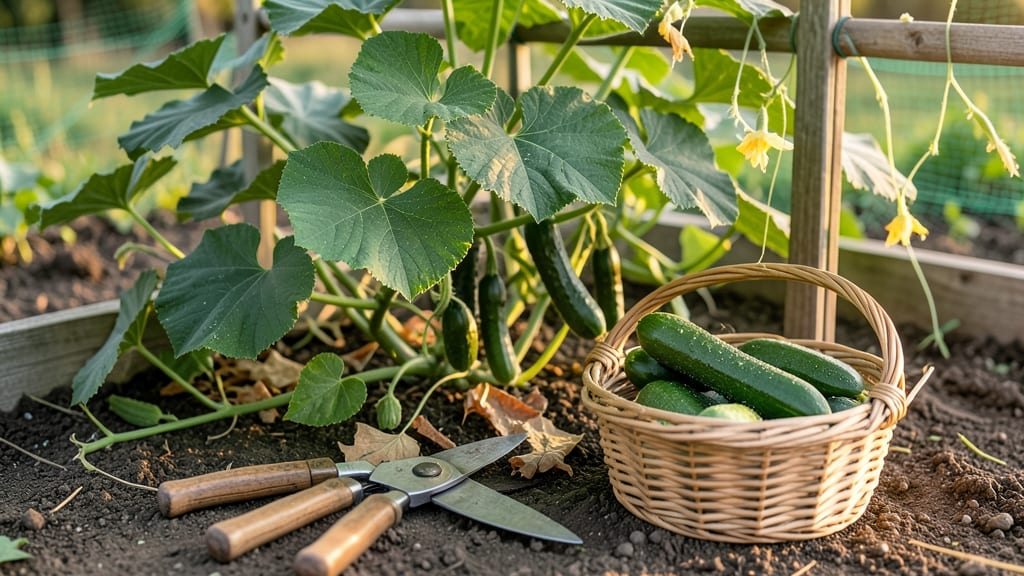
To pick a cucumber off the vine at the perfect moment means crisp, seedless slices instead of bitter, overripe pulp — and the difference is all in the timing.
You’ve probably grabbed one that was still rock-hard or left it on the vine until it turned into a sad, seedy mess. That’s why knowing the three key signs of readiness — size, color, and texture — can turn your harvest from hit-or-miss to consistently delicious.
Environmental factors like heat and humidity play a role too, but the real game-changer is checking your cucumbers every 2-3 days during peak season. Skipping this step means missing the sweet spot when they’re firm, tender, and packed with flavor.
Below, I’ll walk you through the exact cues to look for, how to adjust for your climate, and what to do with your harvest once you’ve picked it — whether you’re slicing it fresh, pickling it, or saving seeds for next year.
How cucumber size determines ripeness and flavor
Cucumber size isn’t just about how long they sit on the vine—it’s the secret code to unlocking sweet, crisp or tangy, seedless flavors. Small cucumbers (4-6 inches) pack the brightest taste for slicing, while larger varieties (8+ inches) develop thicker skins perfect for pickling.
But leave them too long, and you’ll end up with bitter, seedy cucumbers that ruin salads and sandwiches.
Understanding these size thresholds helps you harvest at peak flavor and boost vine productivity. Most slicing cucumbers reach ideal size in 50-60 days, while pickling varieties often need 10-15 extra days to develop that thick, glossy skin.
Even seed-saving cucumbers have their own timeline—waiting too long turns them yellow and mushy, ruining germination potential.
Here’s the golden rule: Check cucumbers every 2-3 days during peak harvest season (June-August). Morning harvests prevent sunscald and evening wilting, while regular picking encourages the vine to produce more fruit.
I’ve learned the hard way—neglecting my cucumber patch for just a week led to a bitter, overripe mess that even pickling couldn’t save!
⚠️ Pro Tip: Use a soft cloth when handling cucumbers to avoid bruising. A gentle twist at the stem is all it takes to detach them cleanly without damaging the vine.
Size isn’t the only factor—variety matters too. Bush cucumbers like Bush Champion stay compact but still need regular harvesting to prevent overcrowding. Meanwhile, vining types like Straight Eight can grow up to 10 feet, so trellising helps keep them organized and accessible.
I’ve found that trellised cucumbers ripen 10-15% faster because they get better air circulation and less soil-borne disease.
Overgrowth is the flavor killer in cucumbers. When cucumbers stay on the vine too long, they develop cucurbitacin, a bitter compound that turns your fresh salads into bitter disappointments.
This happens most in hot, dry conditions, so shade cloth can help if your summer temps soar above 90°F. Even organic cucumbers aren’t safe—bitterness isn’t removed by washing or peeling!
For pickling cucumbers, timing is everything. Harvest them small (2-3 inches) to ensure crunchy texture and tangy flavor. Larger pickling cucumbers (4+ inches) become softer and mealy, no matter how well you brine them.
I once tried pickling oversized cucumbers and ended up with mushy, flavorless jars—never again!
If you’re saving seeds, wait until cucumbers are fully mature (8-10 inches) and slightly overripe (yellowing or softening). These cucumbers will have developed seeds that are viable for next season.
But don’t wait too long—once they turn yellow and mushy, the seeds lose viability and attract pests like squash bugs.
My personal rule? Harvest slicing cucumbers when they’re 6-8 inches long and deep green. This ensures maximum crunch and sweetness
Color and texture clues for perfect harvest timing
Cucumber skin color and texture reveal the best harvest window, but these clues vary by variety type. Most slicing cucumbers like 'Straight Eight' turn a deep, glossy green when ripe, while pickling varieties such as 'Boston Pickling' often develop yellow or brown stem ends.
Always check the stem color first—it’s your first hint!
Texture is equally important: a ripe cucumber should feel firm but slightly yielding when gently squeezed. If it feels hard or spongy, it’s either underripe or overripe. For bush varieties, this check is easier since they’re smaller and more manageable than sprawling vines.
When to Pick Cucumbers Off the Vine
- Pick when stem color matches variety (e.g., yellow/brown for slicing types)
- Check size (6–8 inches for most slicing types)
- Gently press skin—should yield slightly but not feel mushy
- Harvest in morning hours for best flavor and crispness
- Wait until cucumbers turn yellow or spotted (overripe)
- Pick when skin feels hard or waxy (underripe)
- Ignore uneven color or soft spots (signs of disease)
- Harvest after sunset (higher risk of bruising)
Pro Tip: Use a sharp pruner to avoid damaging the vine—always leave a small stem stub attached.
For heirloom varieties like 'Lemon Cucumber', watch for white or yellow stripes to appear—these indicate peak ripeness. Meanwhile, Asian long cucumbers (e.g., 'Hokkaido') stay dark green until fully mature, so rely more on size (12–18 inches) and firmness.
Environmental factors can trick your senses: hot, dry weather can make cucumbers ripen faster, while cool, cloudy days slow down the process. Always cross-check color, size, and texture together—no single clue guarantees perfection!
Once you’ve mastered these cues, you’ll never again miss the sweet spot between crisp and seedy. Pro gardeners even set a weekly reminder to inspect vines—consistency is key to a bountiful harvest all season long.
🌱