
Vegetables
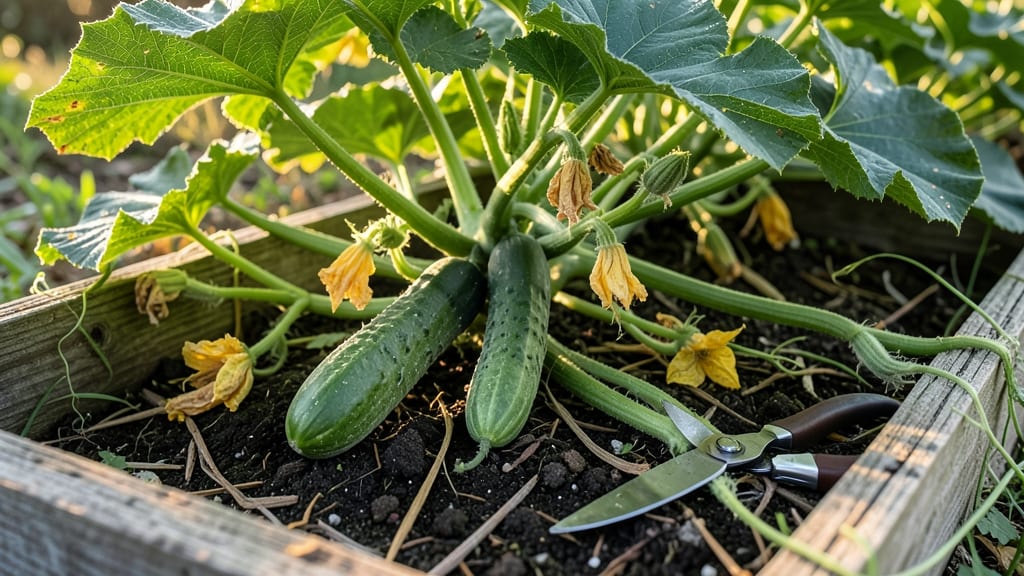
Why does my cucumber skin taste bitter—here’s the fix for that sharp flavor and how to keep your slices crisp and fresh. 🌿 I’ve tasted my share of overripe, water-stressed cucumbers, and the good news is that bitterness is almost always preventable with a few simple adjustments.
The culprits? Overmaturity (waiting too long to harvest), uneven watering (drought stress triggers bitter compounds), or temperature swings (hot days followed by cool nights). Even nutrient imbalances—like too much nitrogen—can make skins turn bitter before the fruit is ready.
Harvest cucumbers when they’re 6-8 inches long and still firm, water deeply 1-2 inches per week, and mulch to keep roots cool. If bitterness lingers, try shading cloth during heatwaves—it’s the quickest way to sweeten up a stressed plant.
Once you adjust these factors, future harvests will stay crisp, sweet, and free of that dreaded bitterness. The fix is simpler than you’d think—just timing, water, and a little shade.
The hidden culprits behind bitter cucumber skin
That unexpected bitterness in your cucumber skin isn’t just a random quirk—it’s often a sign that something’s off with your plant’s health, growth conditions, or even how you’re harvesting and storing it.
Let’s break down the science behind why this happens, so you can grow (or buy) cucumbers that taste as fresh as they look.
Cucumbers are best when harvested young and firm, but leaving them on the vine too long triggers a natural defense mechanism. As cucumbers mature, they produce cucurbitacins, a group of bitter-tasting compounds that act as a deterrent to pests.
These compounds accumulate more in the skin and seeds as the fruit ages.
- Why it matters: A fully ripe cucumber (especially varieties like burpless or slicing types) can taste bitter even when raw, while younger cucumbers stay mild and sweet.
- Actionable fix: Harvest cucumbers when they’re firm, dark green, and 6–8 inches long. If you miss the window, peel them before eating to avoid the skin’s bitterness.
Cucumbers are sun-lovers, but excessive heat (especially above 85°F/30°C) can trigger bitterness. When plants struggle to regulate their temperature, they ramp up cucurbitacin production as a stress response. The skin often bears the brunt of this chemical shift.
- Why it matters: Heatwaves or poor airflow in greenhouses can turn your cucumbers into bitter surprises. Even store-bought cucumbers grown in hot climates may have this issue.
- Actionable fix:
- Provide shade cloth (30–50%) during peak sun hours.
- Water deeply early in the morning to cool roots and soil.
- Choose heat-tolerant varieties like ‘Straight Eight’ or ‘Marketmore’.
Cucumbers are 95% water, and their bitterness spikes when their hydration balance is thrown off. Drought stress forces plants to produce bitter compounds for survival, while overwatering can lead to uneven growth and concentrated cucurbitacins in the skin.
| Issue | Signs | Fix |
|---|---|---|
| Underwatering | Wrinkled skin, stunted growth, yellowing leaves | Water at the base (not leaves) 1–2 inches deep, 1–2 times per week (adjust for climate). |
| Overwatering | Mushy spots, yellowing lower leaves, root rot | Let soil dry slightly between waterings; improve drainage with mulch or raised beds. |
Cucumbers thrive in rich, well-draining soil with a balanced pH (6.0–6.8).
If the soil lacks key nutrients or is too acidic/alkaline, the plant’s stress response kicks in, leading to bitter skin. Excess nitrogen (common in over-fertilized gardens) can also skew flavor, while deficiencies in phosphorus or potassium may trigger defensive compounds.
- Why it matters: Store-bought cucumbers often grow in nutrient-poor soil to maximize yield, which can result in bitterness.
- Actionable fix:
- Test your soil and amend with compost or a balanced fertilizer (10-10-10 or 5-10-10).
- Avoid fresh manure (it can burn roots).
- Add calcium (crushed eggshells) to prevent bitterness linked to blossom-end rot.
When cucumber plants are under attack—whether by aphids, cucumber beetles, or fungal diseases like powdery mildew—they ramp up cucurbitacin production to fend off invaders. The skin becomes a chemical battleground, leaving a bitter aftertaste.
- Why it matters: Even if the fruit looks fine externally, internal damage (from pests feeding on leaves or roots) can seep into the skin’s flavor.
- Actionable fix:
- Inspect plants weekly for holes, chewed leaves, or white powdery residue.
- Use neem oil or row covers to deter pests early.
- Rotate crops annually to prevent soil-borne diseases.
Even if your cucumber was perfect at harvest, poor storage can turn its skin bitter. Ethylene gas (released by overripe produce) speeds up the breakdown of sugars and increases cucurbitacin levels. Cold temperatures can also trigger bitterness as a stress response.
- Why it matters: Storing cucumbers in the fridge (below 50°F/10°C) for too long or keeping them near apples/bananas (which emit ethylene) can ruin their flavor.
- Actionable fix:
- Store cucumbers at room temperature (50–60°F/10–15°C) in a paper bag (to absorb ethylene) for up to 1 week.
- Avoid washing until ready to eat—moisture speeds up spoilage.
- Peel and slice within 2–3 days of harvest for the freshest taste.
Fixing Bitter Cucumber Skin Fast
Now that you know why your cucumber skin tastes bitter, let’s tackle the fixes—quick, practical, and foolproof. Whether it’s overripe cucumbers, pesticide residue, or poor growing conditions, these solutions will help you enjoy crisp, sweet slices again.
We’ve mapped each cause to its best remedy, plus prevention tips to keep future harvests (or grocery hauls) delicious.
Cause: Cucumbers develop bitter compounds (like cucurbitacins) when left too long on the vine or harvested too early.
Fix It:
- 🍅 Peel or Trim the Skin: Use a vegetable peeler to remove the outer layer (where bitterness concentrates). For thick-skinned varieties, slice off ¼-inch from the stem end downward.
- 🥒 Choose Younger Cucumbers: Pick cucumbers when they’re dark green, firm, and 6–8 inches long. Smaller = sweeter!
- 🧊 Chill Before Eating: Refrigerate cucumbers for 30–60 minutes before slicing to mellow flavors. Cold temps slow down enzyme activity that boosts bitterness.
Prevention Tip: 💡 Harvest frequently! Check vines every 2–3 days—overripe cucumbers turn bitter faster than you think.
Cause: Store-bought or homegrown cucumbers may retain bitter-tasting waxes, pesticides, or fertilizers.
Fix It:
- 🚿 Rinse Thoroughly: Hold cucumbers under cool running water for 1–2 minutes, scrubbing the skin with a clean vegetable brush (especially bumpy varieties like Persian cucumbers).
- 🧼 Vinegar Soak (For Heavy Residue): Fill a bowl with 1 part white vinegar to 3 parts water. Soak cucumbers for 10–15 minutes, then rinse well. The acid breaks down wax coatings.
- 🥬 Peel If Needed: If bitterness lingers, peel the skin—but lose fewer nutrients by keeping the flesh intact.
Prevention Tip: ✨ Grow your own (or buy organic)! If using conventional cucumbers, opt for the "Clean 15" list (EWG’s annual guide to least-pesticide produce).
Cause: Extreme heat or sun exposure triggers bitter alkaloids as a defense mechanism.
Fix It:
- 🌿 Shade Cloth Hack: If growing cucumbers, drape 30–50% shade cloth over plants during peak sun (10 AM–4 PM). Instant flavor rescue!
- 💦 Hydrate Like Crazy: Water deeply twice daily during heatwaves to prevent stress. Aim for 1–2 inches of water per week.
- 🥄 Use in Cooking: Bitter cucumbers soften when cooked. Try them in gazpacho, pickles, or stir-fries where heat mellows the taste.
Prevention Tip: 🌡️ Monitor temps! Cucumbers thrive at 70–85°F. If your area hits 90°F+, grow heat-tolerant varieties like ‘Straight Eight’ or ‘Marketmore 76’.
Cause: Excess nitrogen or imbalanced soil leads to tough, bitter skin.
Fix It:
- 🌿 Flush the Soil: If growing cucumbers, water heavily to leach out excess salts/fertilizers. Repeat 2–3 times over a week.
- 🍂 Balance the Diet: Switch to a low-nitrogen, high-potassium fertilizer (like 5-10-10). Too much nitrogen = bitter, leafy growth.
- 🥕 Companion Planting: Pair cucumbers with radishes, beans, or dill to improve soil health and flavor.
Prevention Tip: 🎯 Test your soil! Use a DIY kit ($10) or send a sample to a local extension office. Aim for a pH of 6.0–6.8.
If you’re buying pre-packaged cucumbers and they’re still bitter: - 🍉 Pick Seedless or Mini Varieties: ‘English cucumbers’ or ‘Persian cucumbers’ have thinner skins and less bitterness. - 🥒 Freeze for 24 Hours: Place whole cucumbers in a sealed bag in the freezer.
Thaw before slicing—cold dulls bitterness (works best for cooking). - 🍋 Balance with Acid: Toss slices in lemon juice, vinegar, or lime to cut through bitter notes (great for salads!).
If the cucumber is mushy, yellowing, or has a strong bitter aroma, it’s past saving. Compost it—don’t risk digestive upset from spoiled produce.
Pro Tip: 💡 Save a slice for taste-testing! Cut a small piece from the stem end first—this is where bitterness hides. If it’s still bitter after trimming, try another fix.
Next Steps: Now that you’ve fixed the bitterness, store cucumbers properly to keep them fresh:
- 🥒 Whole: Wrap in a damp paper towel and refrigerate (lasts 1–2 weeks).
- 🍉 Sliced: Submerge in ice water in an airtight container (stays crisp for 3–5 days).
- 🥬 Avoid the fridge? Keep at room temp for 2–3 days (but monitor for spoilage).
Ready to enjoy crisp, sweet cucumbers again? Try these fixes and share your success—or ask questions in the comments! 🌱💚
Frequently asked questions
Why does my store-bought cucumber taste bitter even when it looks fresh?
Store-bought cucumbers often develop bitterness due to wax coatings or pesticide residue from commercial farming. The skin may also concentrate bitter compounds if the cucumber was harvested late or stored improperly. Try rinsing thoroughly with cool water or soaking in a vinegar solution (1:3 ratio) to remove residues.
Can I fix bitterness in cucumbers by peeling them?
The skin is where most bitterness concentrates, especially in overripe cucumbers. Use a vegetable peeler to remove just the outer layer, or trim ¼-inch from the stem end downward. For thick-skinned varieties like Persian cucumbers, peeling helps preserve the mild flesh underneath.
How does heat affect cucumber bitterness?
Extreme heat (above 85°F/30°C) triggers cucumbers to produce cucurbitacins, bitter compounds that act as a natural pest deterrent. If you're growing cucumbers, provide shade cloth (30-50%) during peak sun hours and water deeply in the morning to cool the roots. Heat-tolerant varieties like 'Straight Eight' handle warmer climates better.
Is it safe to eat bitter cucumbers?
Yes, but proceed with caution. Mild bitterness is usually harmless, but extreme bitterness (especially near the stem) may indicate overripeness or stress. If the cucumber is also mushy or has a strong odor, compost it to avoid digestive discomfort. For cooking, bitterness often mellows when heated—try them in soups or pickles.
How can I prevent bitterness in homegrown cucumbers?
Focus on consistent care: harvest when cucumbers are 6-8 inches long and firm, water deeply 1-2 inches per week, and maintain soil pH between 6.0-6.8. Use mulch to keep roots cool, and avoid over-fertilizing with nitrogen. Companion planting with radishes or beans can also improve flavor by enhancing soil health.