
Vegetables
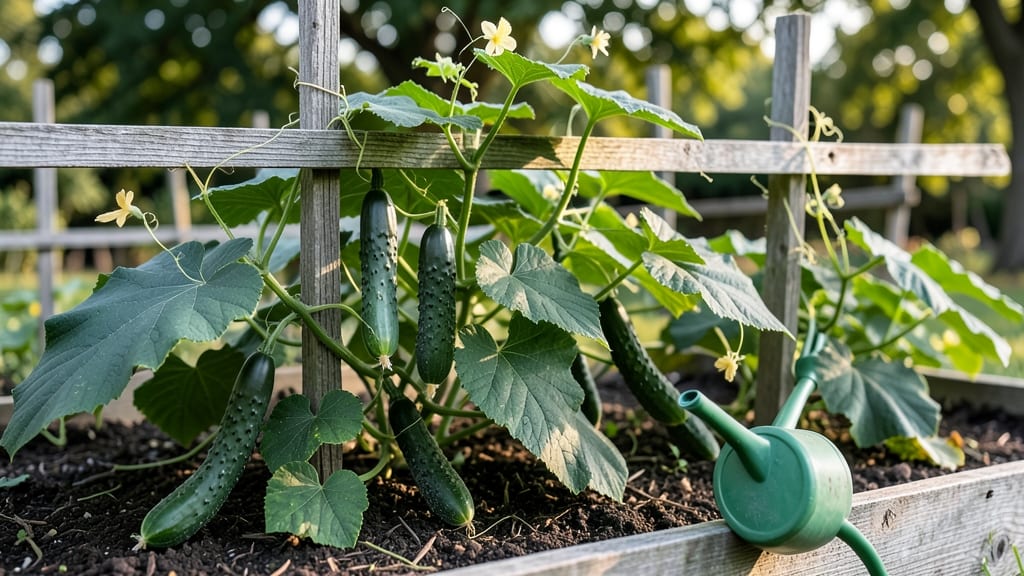
Persian cucumbers aren't your average garden cucumber—they're the fast, flavorful, and fuss-free variety that turns up in salads and snacks with shocking speed. 🌱 Unlike their thick-skinned cousins, these slender, sweet cucumbers grow in just 50-60 days, making them perfect for impatient gardeners (like me) who can't wait for harvest season.
Their thin skin and tender flesh mean no peeling, just pure crunch and mild sweetness that's ideal for fresh eating.
Growing them is easier than you'd think—just give them 6-8 hours of sun daily, well-draining soil, and either a trellis (for vertical growth) or plenty of space (12-18 inches apart for bush types).
They thrive in warm weather but can handle a little heat better than slicing cucumbers, which is why they're a staple in summer gardens. The key? Consistent watering (keep soil moist but not soggy) and regular harvesting to encourage more production.
What you'll end up with is a steady supply of cucumbers that are half the size of supermarket varieties but packed with flavor—perfect for snacking, salads, or even pickling. They stay crisp longer too, so you won't waste a single harvest.
The best part? They're just as happy in containers as they are in the ground, making them ideal for small spaces or urban gardens.
Fair warning: these cucumbers are prolific producers, so be ready for a bounty. If you've ever struggled with cucumbers bolting or producing bitter fruit, Persian cucumbers might just change your mind about growing them. They're the variety that finally convinced me cucumbers could be both productive and low-maintenance.
📚 In This Guide
- What you need
- Instructions
- Tips and common mistakes
- Wrapping up and next steps
What you need
- ● Seeds: Persian cucumber seeds (e.g., ‘Lemon Cucumber’ or ‘Burpee Persian’) – 3–5 seeds per plant (or pre-started seedlings).
- ● Containers or Garden Bed: For bush varieties: 12–18" deep pots (1 plant per container) or a well-draining garden bed.
- ● For pole/vining varieties: 5-gallon containers or a trellis system (6+ ft tall).
- ● Potting Mix: High-quality, seed-starting mix (sterile, lightweight) or well-draining garden soil (amended with compost).
- ● Fertilizer: Balanced 10-10-10 or 5-10-10 granular fertilizer (follow package rates).
- ● Compost or worm castings (1 cup per planting hole).
- ● Trellis or Support: (For vining types) Bamboo stakes, wire trellis, or a 3–4 ft wide netting system.
- ○ Mulch: Straw, shredded leaves, or black plastic mulch (optional but helps retain moisture).
- ● Watering Can or Hose: With a gentle spray nozzle (avoid soaking seeds).
- ● Pruning Shears: Small, sharp scissors for harvesting and trimming.
- ● Seedling Heat Mat (if starting indoors in cool climates).
- ● Row Covers (to protect young plants from pests).
- ● Epsom Salt (1 tbsp per gallon of water) for magnesium boost (especially in sandy soils).
- ● Organic Pest Control: Neem oil or companion plants (e.g., marigolds, nasturtiums).
- ● Grow Lights (if extending the indoor seedling stage).
Step-by-step guide to growing fast-germinating Persian cucumbers
Here's how to cultivate this quick-starting variety—whether you're training them up trellises or letting them sprawl as bush plants.
🌱 Step 1: Time Your Planting for Maximum Speed
Persian cucumbers germinate in just 3-5 days when soil stays consistently warm. Start seeds indoors 4-6 weeks before your last frost date, or sow directly in the garden when soil reaches 65°F—they won't tolerate cold soil. I like to use biodegradable peat pots so I can transplant without disturbing delicate roots.
Direct sowing works best in warm climates. Plant seeds ½ inch deep, spacing them 3 inches apart in rows 2 feet apart for bush varieties. If growing on trellises, thin seedlings to 12 inches apart once they reach 4 inches tall. The key here is patience—wait until all danger of frost has passed, even if it means starting a little later.
☀️ Step 2: Provide Consistent Heat and Light
Persian cucumbers thrive in full sun (6-8 hours daily), but they need more than just light—they crave warmth. Use black plastic mulch to raise soil temperature 5-10°F higher than ambient, which speeds up germination and fruit production. If nights dip below 55°F, cover plants with row fabric to protect blossoms.
You'll notice the fastest growth when plants receive 70-85°F daytime temps. If your climate runs cooler, opt for a south-facing bed where the ground absorbs heat. Avoid planting near tall crops that cast shade—Persian cucumbers grow best with unobstructed sunlight from morning until early afternoon.
💧 Step 3: Water Deeply and Keep Soil Evenly Moist
Consistent moisture is non-negotiable. Water at the base 1-2 inches deep every 2-3 days, adjusting for rainfall. Let the top inch of soil dry slightly between waterings—this prevents blossom-end rot while maintaining steady fruit production. I use a soaker hose to avoid wetting leaves, which reduces disease risk.
Watch for wilting during heatwaves—Persian cucumbers have shallow roots and dry out fast. Mulch heavily with straw to retain moisture and cool roots. Overhead watering in hot afternoons can scorch leaves, so aim for early morning irrigation. You'll know you're doing it right when vines grow 1-2 inches daily and flowers appear within 3-4 weeks of planting.
✂️ Step 4: Train Vines and Harvest for Continuous Production
For trellised plants, gently tie main vines to the support when they reach 12 inches tall. Prune side shoots to encourage upward growth—this keeps fruit cleaner and improves air circulation. Bush varieties need minimal pruning, but remove any yellowed or diseased leaves immediately to prevent spread.
Harvest begins 45-55 days after sowing when cucumbers reach 4-6 inches long. Pick every 2-3 days to stimulate more production—left on the vine, they turn bitter and tough. I harvest in the morning when cucumbers are coolest and firmest. Store in the fridge for up to 1 week to maintain crispness.
🌿 Step 5: Extend the Season with Smart Care
Persian cucumbers produce prolifically in warm weather but slow down as temperatures drop. To extend harvest, cover plants with row fabric at night when temps fall below 60°F. Remove covers in the morning to let sunlight through. In cooler climates, succession plant every 2 weeks for a continuous supply.
Fertilize lightly with compost tea every 3 weeks to replenish nutrients. Avoid high-nitrogen feeds—this promotes leafy growth at the expense of fruit. You'll know your plants are happy when they produce 5-10 cucumbers per vine weekly throughout the season. Save seeds from your best-performing plants for next year's garden!
Tips & tricks for fast-germinating Persian cucumbers
Want to grow these speedy little powerhouses? Here's how to maximize their lightning-fast growth and avoid common pitfalls.
Speed Up Germination: The 3-5 day germination window is achievable when soil stays above 65°F—use a seedling heat mat if your spring soil runs cold. I've found that pre-soaking seeds in warm water for 4-6 hours before planting shaves off 1 full day of germination time. Just don't soak too long or they'll sprout underwater!
Heat Management Secret: Those 70-85°F daytime temperatures are non-negotiable for peak growth. I install a simple thermometer in my garden bed to monitor temps—when it dips below 70°F for more than a few hours, I immediately cover plants with row fabric. This little trick has kept my Persian cucumbers producing consistently even in cooler climates.
Watering Precision: The 1-2 inches deep watering guideline is perfect, but timing matters just as much. I've learned that watering in the early morning (before 8 AM) gives the plants all day to absorb moisture before the heat of afternoon hits. This prevents that frustrating wilting you see during heatwaves—those shallow roots can't keep up with afternoon evaporation.
Harvest Timing: Those 45-55 days to harvest might seem like a long wait, but here's the pro move: start checking for readiness at 42 days. Look for cucumbers that are 4-6 inches long with smooth, firm skin. The key visual cue is the color—when they turn from bright green to that classic Persian cucumber shade, they're ready. I harvest every 2-3 days without fail to keep the production going.
Pro Tips for What Is Persian Cucumber
- Want to grow these speedy little powerhouses?
- Speed Up Germination: The 3-5 day germination window is achievable when soil stays above 65°F—use a seedling heat mat if your spring soil runs cold.
- Heat Management Secret: Those 70-85°F daytime temperatures are non-negotiable for peak growth.
Frequently asked questions
Got questions about Persian cucumbers? You’re not alone! Here are answers to the most common queries—whether you're a first-time gardener or a seasoned grower looking to refine your technique.
What’s the difference between Persian cucumbers and regular slicing cucumbers?
Persian cucumbers are smaller, seedless, and sweeter than standard slicing varieties. They’re typically 3–6 inches long, have thin skins, and are perfect for snacking or salads. Regular cucumbers are larger, often seedy, and better for pickling or cooking.
How long does it take for Persian cucumbers to grow from seed?
From seed to harvest, expect 50–60 days in ideal conditions (warm soil, full sun, and consistent moisture). Germination takes 5–10 days, so plan ahead if you’re starting indoors or in cooler climates!
Can I grow Persian cucumbers in containers or do they need a big garden?
Persian cucumbers thrive in 5-gallon containers or larger with trellises for vertical growth. Bush varieties work well in pots, while vining types need support. Just ensure 6+ hours of sunlight and well-draining soil.
Why aren’t my Persian cucumbers producing fruit?
Common culprits include inconsistent watering, lack of pollination (hand-pollinate with a brush if needed), or temperature stress (they prefer 70–90°F). Check for pests too—aphids or cucumber beetles can stunt growth.
What’s the best way to store harvested Persian cucumbers?
Store them unwashed in the fridge (crisper drawer) for 1–2 weeks. Avoid cutting until ready to eat—they oxidize quickly! For longer shelf life, keep them dry and separate from ethylene-producing fruits like apples.
Wrapping up and next steps
Growing Persian cucumbers is a rewarding experience—whether you’re a seasoned gardener or just starting out! Their fast germination, versatility in bush or pole setups, and delicious, seedless fruit make them a standout choice for any garden.
With the right soil, sunlight, and care, you’ll be harvesting crisp, flavorful cucumbers in no time.
Ready to get growing? Start by gathering your supplies, choose your planting method, and watch your garden transform! 🌱🍉