
Pests and Diseases
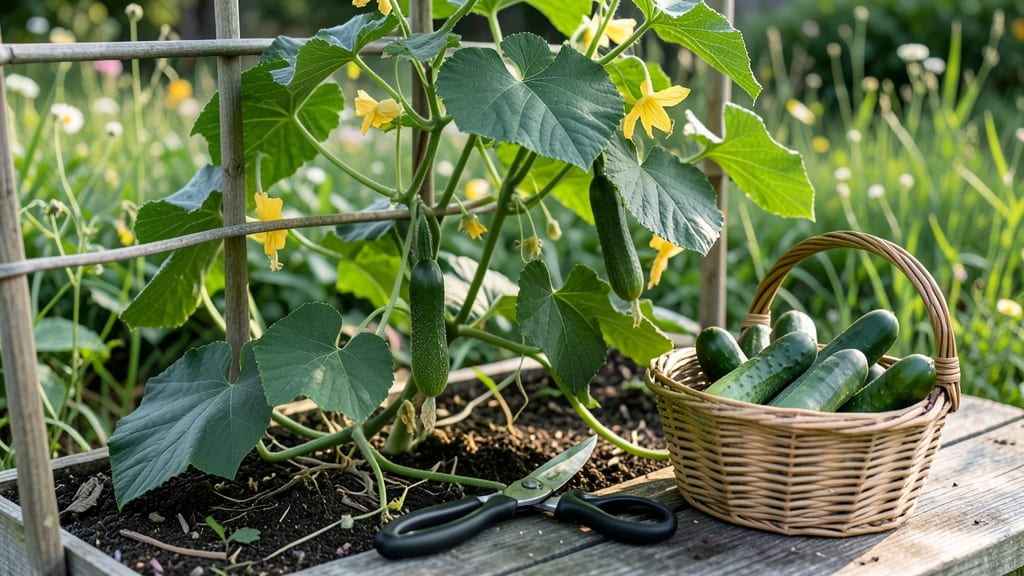
A cucumber is ready to be picked when its size, color, and texture meet these three key signals—skipping them means bitter fruit or wasted vines.
Picture this: you’ve been watching your 🥒 plants thrive all summer, but how do you know the moment is now? One wrong pick too early or too late, and you’re left with either seedy, tough cucumbers or ones that never quite ripen.
The good news? Spotting the perfect harvest time comes down to just three simple checks—no guesswork required.
First, we’ll cover the visual cues that guarantee peak flavor, from the right shade of green to the telltale give when you press your thumb. Then, I’ll show you how to avoid the most common mistakes that turn your harvest into a gamble.
Whether you’re growing slicing types for salads or pickling cucumbers for jars, these tips will keep your garden productive—and your table stocked with the best-of-the-season produce.
By the end, you’ll know exactly when to reach for those pruners, how to store your harvest for maximum freshness, and even how to encourage your plants to keep producing all season long.
3 Visual cues to identify perfectly ripe cucumbers for harvesting
There's nothing worse than biting into a cucumber that's either too hard and seedy or already past its prime. The good news? With just a few simple visual checks, you can tell exactly when your cucumbers are ready to harvest for that perfect crunch and fresh flavor.
I've learned that color, size, and texture are the three key indicators to watch—and they vary slightly depending on whether you're growing slicing, pickling, or heirloom varieties.
Harvesting at the right time isn't just about taste—it also encourages your plants to keep producing. When you pick cucumbers too late, the plant redirects energy to seed development instead of new fruit. And if you harvest too early?
You're left with tough, bitter cucumbers that no one wants to eat. Let's break down the three foolproof visual cues that will help you master the art of cucumber harvesting.
🌱 Numbered Highlights: When Is a Cucumber Ready to Be Picked?
-
1. Color Consistency
Look for deep, even color (not pale or yellowed). Slicing types should be uniform dark green, while heirloom varieties may show stripes or mottling. Avoid cucumbers with yellow patches—this signals overripeness. -
2. Ideal Size for Variety
Slicing cucumbers: 6-8 inches long
Pickling cucumbers: 2-3 inches long
Heirloom types: Check seed packet for specific size—some stay smaller (3-5 inches) while others grow larger (10+ inches). -
3. Gentle Thumbnail Test
Press your thumbnail into the cucumber's skin. If it leaves a slight dent but doesn't puncture, it's perfect. No dent? Too hard. Skin tears easily? Overripe.
Pro Tip: Morning harvests are best—cucumbers are firmer and cooler, making them easier to handle and transport.
Let's start with color, because this is often the first thing that catches your eye. The deepest, most vibrant color means the cucumber has reached its peak sweetness. For slicing varieties, think of that classic dark green hue—not the pale green of an underripe cucumber.
Some heirloom types might have yellow stripes or speckles, and those patterns should be fully developed before picking.
If you notice yellowing or browning on the skin, that's a red flag—it means the cucumber has been on the vine too long. These overripe cucumbers often develop a mealy texture and bitter taste.
I've made this mistake before with my Armenian cucumbers, and trust me, the difference in flavor is night and day when you harvest at the right time.
Next up is size, which varies dramatically between varieties. Slicing cucumbers like Marketmore 76 should be harvested when they're about 6-8 inches long. If you let them grow much larger, they'll become seedy and tough.
On the other hand, pickling cucumbers like Boston Pickling need to be picked when they're just 2-3 inches long—any longer and they'll be too big for proper pickling.
For heirloom varieties, always check the seed packet for specific size recommendations. Some, like Lemon Cucumber, stay small and sweet, while others like Diva can grow quite large.
The key is consistency—if all the cucumbers on a particular vine are the same size, that's your cue to start harvesting regularly.
Now for my favorite test: the thumbnail pressure check. This simple trick tells you everything you need to know about a cucumber's readiness. Press your thumbnail into the skin near the stem end.
If it leaves a slight indentation but doesn't break the skin, you've got a perfect cucumber. If your thumbnail doesn't leave any mark, the cucumber is still too hard and needs more time on the vine.
Here's where many gardeners go wrong: they think a cucumber is ready because it's big, only to find it's overripe and seedy. The thumbnail test helps you avoid this common mistake.
And if you find a cucumber where the skin tears easily when you press it, it's past its prime. These cucumbers are best used for fermenting or cooking rather than fresh eating.
One more pro tip: pay attention to the stem end. In some varieties, you'll notice the stem starts to yellow or brown as the cucumber matures.
This is nature's way of telling you it's time to pick. However, don't wait until the stem actually falls off—the cucumber will be too mature by then.
Remember that harvesting frequency affects your plant's productivity. When you pick cucumbers regularly, you're encouraging the plant to produce more fruit. I've seen my cucumber vines go from producing just a few cucumbers to a bountiful harvest within weeks simply by picking consistently.
Finally, don't forget that morning is the best time to harvest. Cucumbers are cooler and firmer in the morning, making them easier to handle and transport. Plus, harvesting early in the day gives you a chance to enjoy your fresh cucumbers right away—or preserve them for later.
Common mistakes that ruin cucumber ripeness (and how to avoid them)
Even experienced gardeners sometimes miss the subtle signs that cucumbers are overripe or underripe, leading to disappointing flavors or wasted harvests. The key is recognizing stem changes, skin texture, and growth patterns that signal trouble.
I’ve seen cucumbers go from crisp perfection to mealy disappointment in just a few days because of these overlooked mistakes.
One of the biggest errors is waiting too long for cucumbers to reach their ideal size. Many varieties, especially slicing cucumbers, should be harvested at 6-8 inches.
Leaving them longer risks bitterness and tough skin. Conversely, picking too early—when cucumbers are still hard and green—means you’re missing out on their full flavor potential.
Look for 3 key signs: 6-8 inches in length, firm but not hard skin, and a yellowed stem end. If the cucumber feels spongy or the stem snaps easily, it’s past its prime. Harvest in the morning for the best flavor and texture.
Another common mistake is ignoring the stem condition. A green stem end means the cucumber is still growing, while a yellowed or browned stem signals it’s ready to harvest.
If you see black spots or rotting at the stem, the cucumber is overripe and should be picked immediately—even if it’s not your preferred size. These are often the first signs of disease or pest damage.
Skin texture is another tell-tale sign many gardeners overlook. A perfectly ripe cucumber should have smooth, firm skin that gives slightly when pressed with your thumbnail. If the skin feels tough or waxy, the cucumber is underripe.
On the flip side, if it’s soft or wrinkled, it’s overripe and may have developed seeds that are too large or bitter flavors. Always check the skin before deciding to harvest.
Growth patterns can also reveal whether your cucumbers are stressed or overcrowded. If vines are overloaded with fruit, the plant may struggle to produce high-quality cucumbers. Prune excess growth and remove small, underdeveloped cucumbers to encourage the plant to focus its energy on fewer, larger fruits.
This simple step can make a huge difference in ripeness and yield.
Finally, don’t ignore the color cues. While most cucumbers are green, some varieties—like Lemon Cucumbers or White Wonder—change color as they ripen. For these types, look for a deep, consistent hue.
If the color fades or develops yellow or brown patches, it’s a sign of overripeness or sunburn. Always harvest when the color is vibrant and uniform.
By paying attention to these visual and tactile clues, you’ll avoid the most common mistakes and enjoy cucumbers at their peak ripeness. The next time you’re in your garden, take a closer look—your taste buds will thank you! 🥒