
Vegetables
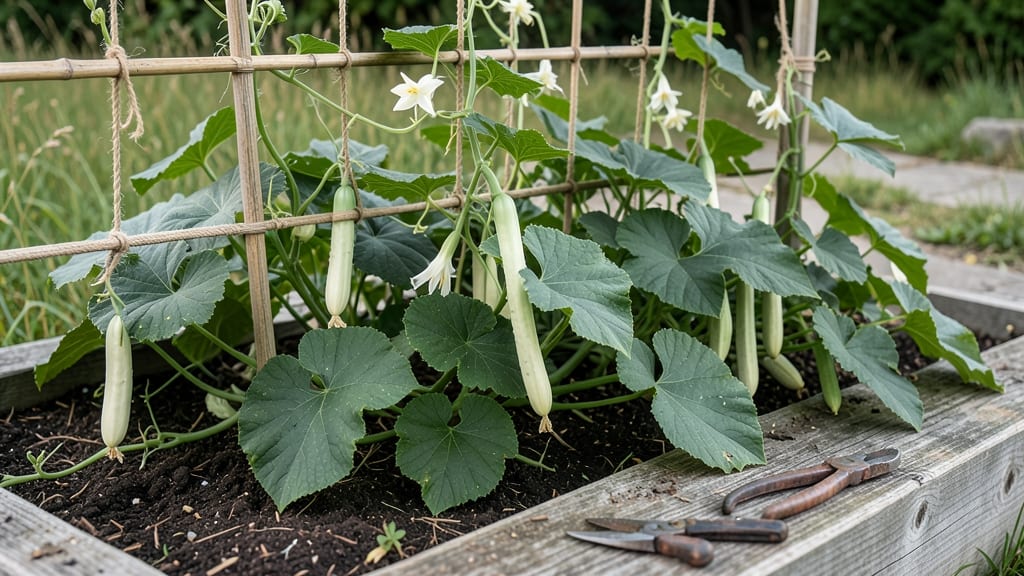
White Wonder cucumber seeds turn into crisp, white-skinned cucumbers in just 55 days—the fastest way to go from seed to salad. 🌱 I planted mine last spring, and within weeks, my kitchen counter was overflowing with these sweet, seedless cucumbers that taste nothing like the bitter store-bought kind.
The secret? Fast germination, vigorous vines, and a plant that actually delivers on its promise of speed. These cucumbers thrive in warm soil and full sun, but they’re surprisingly adaptable—even my shady balcony saw decent results with a little extra care.
The vines spread fast, so give them space or train them up a trellis. You’ll know they’re happy when they start producing those pale green flowers that turn into crisp, 6-inch cucumbers within days. No fuss, no waiting—just a steady harvest that keeps going until frost.
The real magic happens when you taste them fresh off the vine: crisp, sweet, and seedless, with a texture that’s more like a cross between a cucumber and a zucchini. They’re perfect for slicing, pickling, or eating straight out of the garden.
And because they’re disease-resistant, you’ll spend less time spraying and more time harvesting. Here’s the thing—if you’ve ever struggled with slow cucumbers or bitter flavors, White Wonders change the game. I’ve grown them in containers, in-ground beds, and even in hanging baskets.
The key is consistent moisture and a little patience with those early vines. Let’s get you growing!
📚 In This Guide
- What you need
- Instructions
- Tips and common mistakes
- Wrapping up and next steps
What you need
- ● White Wonder cucumber seeds: 10–15 seeds (or 1–2 seed packets for a small harvest). Opt for organic, non-GMO seeds for best results.
- ● Seed-starting soil: 1–2 gallons of lightweight, well-draining potting mix (e.g., seed-starting blend with perlite or vermiculite).
- ● Containers (for seedlings): 3–4 biodegradable pots (3–4 inches deep) or a seed tray with individual cells.
- ● Grow lights or sunny windowsill: A full-spectrum LED grow light (12–16 hours/day) or a south-facing window with 6+ hours of sunlight.
- ● Fertilizer: A balanced, water-soluble fertilizer (e.g., 10-10-10 or fish emulsion) or compost tea for organic growth.
- ● Watering can or spray bottle: With a fine rose attachment to avoid disturbing seeds.
- ● Garden bed or large containers: At least 12–18 inches deep with well-draining soil (amend with compost for fertility).
- ● Trellis or stakes: 5–6 feet tall (cucumbers vine aggressively!). Use bamboo stakes, wire cages, or A-frame trellises.
- ● Mulch: Straw or black plastic mulch to retain moisture and suppress weeds.
- ● Supporting tools: Pruning shears (for trimming vines) and a gardening glove (cucumber vines can be prickly!).
- ● A seedling heat mat (if starting indoors in cool climates).
- ● Drip irrigation kit for consistent watering.
- ● Row covers (floating fabric) to protect seedlings from pests.
- ● pH test kit (ideal soil pH: 6.0–6.8).
- ● Harvest basket or scissors for clean cuts (avoid tearing vines).
How to grow White Wonder cucumbers from seed to harvest
Here's the fast-track method I've used to get crisp, sweet White Wonder cucumbers on the table in just 55 days—no waiting around.
🌱 Step 1: Start Seeds Indoors 3-4 Weeks Before Last Frost
Fill 2-3 inch deep seed trays with sterile seed-starting mix and moisten it until damp but not soggy. Press the soil down lightly so it's firm enough to hold seeds in place. I like to use a pencil to make small holes—about ¼ inch deep—where I'll drop 2-3 seeds per spot. Planting extra gives me backup seedlings if some don't germinate.
Cover the seeds with a thin layer of soil (just enough to hide them) and mist the surface with water until the soil looks evenly damp. Place the tray in a warm spot—75-85°F is ideal—and cover it with plastic wrap or a humidity dome. Check daily for condensation, but don't remove the cover until you see the first sprouts peeking through. This usually takes 5-10 days, depending on your home's warmth.
☀️ Step 2: Provide Light and Transplant When Ready
As soon as those first true leaves appear (not the initial seed leaves), remove the cover immediately. Cucumbers need 12-14 hours of bright light daily, so move them under a grow light if your windows aren't sunny enough. I position my LED light 2-3 inches above the seedlings and raise it as they grow. Without enough light, they'll stretch tall and leggy—you'll know they're happy when they're stocky with dark green leaves.
When seedlings have 2-3 sets of true leaves (about 3-4 weeks after planting), it's time to transplant. Harden them off first by placing them outside in a sheltered spot for 1 hour the first day, then gradually increasing time over 5-7 days. Plant them 12-18 inches apart in a spot with full sun—they'll need at least 6-8 hours daily to produce well.
💧 Step 4: Water Deeply and Train for Maximum Yield
Cucumbers are thirsty plants, so water them 1-2 inches per week, keeping the soil consistently moist but not waterlogged. I water deeply in the morning so the plants have moisture for the day ahead. Use a soaker hose or drip irrigation to keep leaves dry—wet foliage invites disease. When vines start to run, train them up a trellis or cage. This saves space and keeps fruits clean and easy to pick.
Here's the thing—White Wonders are parthenocarpic, meaning they produce fruit without pollination. This makes them perfect for containers or small spaces. Once vines hit the trellis, they'll climb fast. Watch for yellow flowers to appear about 4-6 weeks after transplanting. These will turn into cucumbers in just 5-7 days—harvest them when they're 6-8 inches long for the best flavor.
✂️ Step 5: Harvest and Encourage More Production
Pick cucumbers regularly to keep the plant producing. I harvest every 2-3 days during peak season, and the plant just keeps giving. Use pruning shears to snip the fruit from the vine—don't pull it, or you might damage the plant. After each harvest, give the plant a light drink of water to keep the soil moist and encourage new flowers.
If you notice older leaves yellowing, it's time to trim them back. Remove any leaves touching the soil to improve airflow and reduce disease risk. With proper care, a single White Wonder plant can produce 10-15 pounds of cucumbers over the season. And because they're disease-resistant, you won't have to worry about common cucumber issues like powdery mildew.
Tips & tricks for growing White Wonder cucumbers
These simple tricks will help you skip the common pitfalls and get crisp cucumbers in record time.
Seed Starting Wisdom: Don't rush the germination process—those 5-10 days under cover are crucial. I've learned the hard way that removing the plastic wrap too soon can dry out tender sprouts. Keep checking for condensation daily, but resist the urge to peek too often. The humidity dome creates the perfect microclimate for fast, healthy germination. Once you see those first true leaves, remove the cover immediately to prevent mold growth.
Lighting Secret: The 12-14 hours of daily light requirement isn't just about quantity—it's about quality too. If your seedlings start stretching toward the light (a condition called legginess), they're telling you they need more. I use a simple LED grow light on a timer to automate this. Position it just 2-3 inches above the seedlings at first, then raise it as they grow. This prevents those weak, spindly stems that collapse when transplanted.
Transplanting Transition: The 1-hour hardening off process might seem short, but it's the first step in preparing your seedlings for the great outdoors. I start with just 1 hour on day one, then add 30 minutes each subsequent day until they're ready for full sun. This gradual adjustment prevents transplant shock, which can set your whole harvest back. Remember to plant your cucumbers in the afternoon when temperatures are cooler—this gives them a better chance to establish roots overnight.
Harvesting Hack: Those 2-3 day harvest intervals might seem frequent, but they're what keeps your plant producing. I've found that using pruning shears instead of pulling cucumbers by hand prevents damage to the vine. When you harvest, look for the small bump where the cucumber connects to the vine—this is where new growth will emerge. Regular harvesting also prevents the cucumbers from becoming bitter or seedy, which is especially important for these sweet White Wonders.
Pro Tips for White Wonder Cucumber Seeds
- These simple tricks will help you skip the common pitfalls and get crisp cucumbers in record time.
- Seed Starting Wisdom: Don't rush the germination process—those 5-10 days under cover are crucial.
- Lighting Secret: The 12-14 hours of daily light requirement isn't just about quantity—it's about quality too.
Frequently asked questions
Got questions about growing White Wonder cucumbers? You’re not alone!
Here are answers to the most common queries—so you can go from seed to harvest with confidence.
How long does it take for White Wonder cucumber seeds to germinate?
Expect sprouts in 5–10 days after planting, provided soil stays warm (70–90°F) and moist. For faster germination, soak seeds overnight in warm water or use a heat mat. Patience pays off—just keep the soil consistently damp!
Can I grow White Wonder cucumbers in containers?
These vining cucumbers thrive in 5-gallon containers or larger with trellises for support. Use well-draining potting mix, and ensure the pot has drainage holes. Place containers in full sun (6+ hours/day) for best results.
What’s the best temperature for growing White Wonder cucumbers?
White Wonder cucumbers love warmth! Ideal temperatures range from 70–90°F for growth. Below 55°F, germination slows, and above 95°F, flowers may drop. Use row covers early in the season or plant after the last frost for optimal success.
Why aren’t my White Wonder cucumbers producing fruit?
Common culprits include lack of pollination (hand-pollinate with a brush if bees are scarce), inconsistent watering (dry soil stresses plants), or nutrient deficiencies (feed with compost or balanced fertilizer). Also, ensure vines have plenty of space—crowding reduces yields.
Are White Wonder cucumbers disease-resistant?
While they’re moderately resistant to powdery mildew, they’re not immune to pests like cucumber beetles or viruses. Prevent issues by rotating crops annually, removing debris, and using row covers. Spray neem oil if pests appear—it’s a natural, effective remedy!
Pro Tip:
For extra speed, start seeds indoors 3–4 weeks before the last frost date. Transplant seedlings outdoors only after soil warms up—this gives you a 5–7 day head start on the growing season!
Wrapping up and next steps
Growing White Wonder cucumber seeds is your fast track to fresh, crisp cucumbers in just 55 days—perfect for busy gardeners or those craving homegrown goodness!
These seeds pack a punch with their high yield, disease resistance, and sweet flavor, making them a standout choice for any plot or container. Whether you’re a seasoned gardener or a curious beginner, the key is patience, proper care, and a little sunshine.
Ready to harvest your own bounty? Start by ordering your seeds today, then grab your gloves and get planting! 🌱 With these tips and a dash of enthusiasm, you’ll be savoring homegrown White Wonder cucumbers in no time. Happy growing!