
Featured
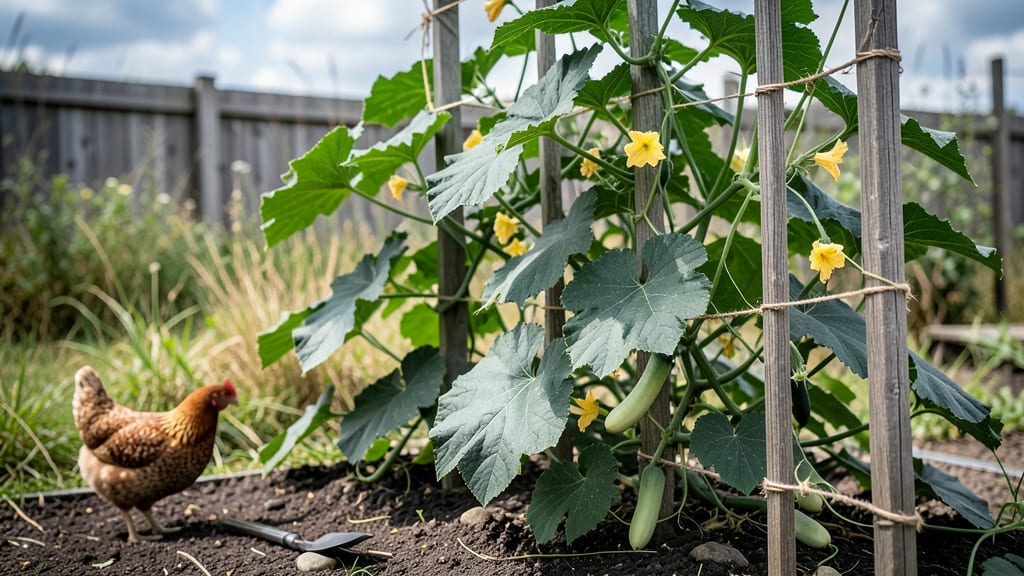
Chickens can eat cucumber vines safely as they provide hydration, fiber, and vitamins, but avoid wilted or moldy vines, which may cause digestive upset or toxicity. Always serve fresh, pesticide-free plant matter in moderation.
Cucumber vines are a fantastic treat for chickens because they're packed with moisture and essential nutrients that support their overall health. 🌱 The high water content helps keep your flock hydrated, especially during hot weather, while the fiber aids digestion and prevents crop issues.
I always chop the vines into small, manageable pieces to make them easier for my chickens to peck at, and I avoid feeding any parts that look slimy or discolored. This simple practice ensures they get all the benefits without any risks.
The key is moderation—while cucumber vines are safe, they shouldn't replace a balanced diet. Think of them as a refreshing snack rather than a staple. I've found that offering them in the late afternoon gives my chickens a hydrating boost before evening, and they seem to enjoy the crunchy texture.
Just remember to wash them thoroughly first to remove any dirt or pesticide residue that could harm your flock.
💡 In This Article
- Nutritional Value of Cucumber Vines for Chickens
- Feeding Cucumber Vines to Chickens: Best Practices and Risks
Nutritional value of cucumber vines for chickens
Cucumber vines are a hydrating powerhouse for chickens, containing about 95% water by weight—similar to cucumbers themselves. This high moisture content helps maintain their hydration levels, especially during hot summer months when heat stress is a concern.
The vines also provide fiber (around 2-3 grams per 100 grams), which supports healthy digestion by promoting gut motility and preventing issues like crop impaction—a common problem in chickens fed dry or low-fiber diets.
The vines are rich in vitamin K (approximately 10-15% of a chicken's daily requirement per serving), which plays a crucial role in blood clotting and bone health.
They also contain small amounts of vitamin C and antioxidants like beta-carotene, which boost the immune system and help combat oxidative stress. What's fascinating is how these nutrients work together: vitamin K enhances calcium absorption, while antioxidants protect cellular health, creating a synergistic effect for overall vitality.
Freshness is absolutely critical because cucumber vines lose nutrients rapidly once picked. Within 24 hours of harvesting, vitamin C levels can drop by up to 30%, and fiber begins to degrade.
The texture also changes—fresh vines are crisp and slightly fibrous, while wilted ones become slimy and difficult to digest. This is why I always feed vines within 6-12 hours of picking them from my garden, ensuring my flock gets the maximum nutritional benefit without any digestive strain.
Another key benefit is the natural crunch of cucumber vines, which stimulates chickens' natural pecking behavior. This mental stimulation is just as important as nutrition—it reduces stress and promotes better overall health.
The vines also contain small amounts of potassium and magnesium, electrolytes that help maintain proper muscle function and nerve signaling. For broilers or laying hens, this can translate to improved egg quality and stronger muscle development in meat birds.
However, there's one important caveat: the nutritional profile changes dramatically if the vines are treated with pesticides or herbicides. Conventional farming practices often use neonicotinoids on cucumber plants, which can be toxic to chickens even in small amounts.
That's why I always grow my own cucumbers or source vines from organic farms where I can verify pesticide-free growing conditions. This extra step ensures my chickens get all the benefits without any hidden risks.
To maximize the benefits, I've found that serving cucumber vines in small, bite-sized pieces (about 1-2 inches long) works best. This size makes it easier for chickens to peck and digest, while also preventing waste.
The vines' mild, slightly sweet flavor makes them an appealing treat that even picky eaters enjoy—unlike some leafy greens that can be too bitter for some flocks.