
Vegetables
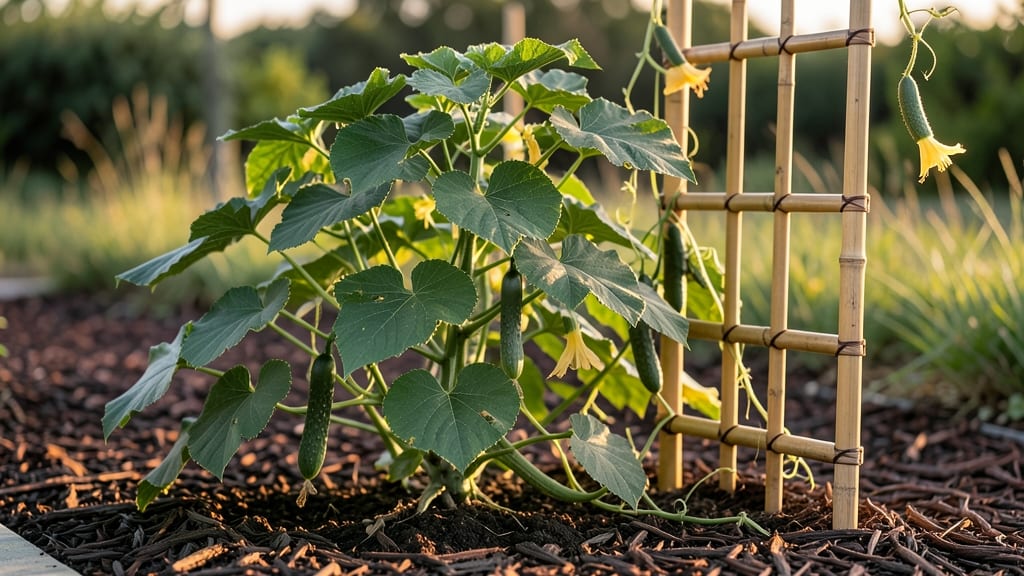
The growth cycle of cucumbers unfolds in fifty days from seed to slicing your first homegrown ones—like magic—but it’s all about timing. 🌱 I’ve grown cucumbers for years, and I’ve learned that understanding each stage’s needs turns good harvests into abundant ones.
The secret isn’t just water or sunlight; it’s knowing when to expect vines, flowers, and fruit so you can adjust before problems pop up.
Here’s the real deal: seeds sprout in 5-7 days if kept warm and moist, then send up true leaves (not the first baby ones) in another week. That’s when the race starts—vines grow fast, and if you miss the flowering window (days 21-28), you’ll be waiting longer for cucumbers.
The trick? Keep soil consistently damp but never soggy, and watch for those yellow blooms—they’re your first sign of progress.
By day 35, you’ll see tiny cucumbers forming, and if you’ve been pinching off early flowers (to focus energy on the main vine), your harvest peaks right around day 50. The best part?
A single plant can produce 10-20 pounds of cucumbers if you prune wisely and keep pests at bay. I’ve had neighbors ask for cuttings after seeing my vines—now that’s a bragging-rights garden.
This cycle works in containers or ground beds, in warm climates or cool summers (with row covers). The only variable is you—so let’s make sure your cucumbers grow faster, straighter, and more productive than ever before.
📚 In This Guide
- What you need
- Instructions
- Tips and common mistakes
- Wrapping up and next steps
What you need
- ● Seeds: 10–20 non-GMO cucumber seeds (choose a variety like 'Straight Eight' or 'Marketmore' for reliable results).
- ● Growing Containers or Garden Plot: Containers: 5-gallon pots (1 per plant) or raised beds (12" deep, 2–3 plants per 4' x 8' bed).
- ● Garden Soil: 1–2 cubic yards of well-draining, fertile soil (pH 6.0–6.8). Add compost (2–3 cups per plant) for nutrients.
- ● Watering Supplies: Hose with adjustable nozzle or drip irrigation system (1–2 gallons per plant daily during peak growth).
- ● Support Structures: Trellis, stakes, or cages (6–8 feet tall) for vining varieties to save space and improve airflow.
- ● Fertilizer: Balanced organic fertilizer (10-10-10 or compost tea) or slow-release granules (follow package rates).
- ● Gardening Tools: Trowel, pruning shears (for trimming), and gloves (to protect hands from thorns).
- ● Mulch: Straw or black plastic mulch (to retain moisture and suppress weeds).
- ● Pest Control: Neem oil or insecticidal soap (for aphids/pests) and row covers (to deter pests early on).
- ● Sunlight Monitor: Sunny spot with 6–8 hours of direct sunlight daily (use a light meter if indoors).
- ● Harvesting Tools: Sharp knife or scissors (for clean cuts without damaging vines).
Step-by-step guide to the cucumber growth cycle
Here’s how I’ve mastered cucumbers—from seed to harvest in just 50 days, with zero wasted effort.
🌱 Step 1: Start Seeds Indoors for a Head Start
Plant seeds 3-4 weeks before your last frost date in biodegradable pots filled with moist seed-starting mix. Press each seed ½ inch deep and keep the soil at 70-80°F for fastest germination. I use a seedling heat mat under my windowsill—this cuts germination time from 10 days to just 5-7 days.
Once sprouts appear, move them to a sunny window or under grow lights for 12-14 hours daily. Watch for the first true leaves (the second set after the initial seed leaves)—that’s your cue to harden off seedlings. Leggy seedlings? They need more light. Pale stems? They’re stretching too far from the source.
☀️ Step 2: Transplant When Soil Warms to 60°F
Wait until nighttime temperatures stay above 55°F and soil reaches 60°F before moving plants outdoors. Cucumbers wilt dramatically if shocked by cold—so I always transplant on a cloudy day or in late afternoon. Bury stems 1 inch deeper than they were in pots to encourage strong root growth.
Space plants 12-24 inches apart in rows 3-4 feet apart for airflow. I add a handful of compost to each hole and water deeply before planting. Mulch with straw immediately after to retain moisture and prevent soil-borne diseases. You’ll see new leaves within 3-5 days—that’s your signal the plants have recovered.
🌿 Step 3: Train Vines and Prune for Maximum Yield
Cucumbers grow best on trellises or stakes, so install supports within 2 weeks of transplanting. Gently weave vines through the structure as they grow—this keeps fruit off the ground and improves air circulation. I prune side shoots (suckers) that grow below the first flower cluster to direct energy to fruit production.
Watch for the first male flowers (they have a thin stem) and female flowers (they have a tiny cucumber at the base). Hand-pollinate female flowers by brushing them with a paintbrush or gently shaking the vine. Fruit sets best when daytime temps stay between 70-90°F—above that, and cucumbers turn bitter.
⏰ Step 4: Harvest at Peak Ripeness for Best Flavor
Cucumbers are ready to harvest 50-60 days after transplanting, but I pick mine every 2-3 days to encourage continuous production. Check for firm, glossy skin and a deep green color—overripe cucumbers turn yellow and develop a waxy texture. Use pruning shears to cut stems ½ inch above the fruit to avoid damaging the vine.
Store harvested cucumbers in the fridge for up to 1 week, but I eat them fresh within 24 hours for peak crunch. If vines stop producing, check for powdery mildew (white spots on leaves) or aphids (tiny green bugs). Remove infected leaves immediately and spray with neem oil if needed. A well-maintained plant can yield 10-15 cucumbers per vine in a single season.
Tips & tricks for perfect cucumber growth
Mastering the cucumber growth cycle means paying attention to details that separate a decent harvest from an abundant one. Here's what I've learned after years of trial and error in my garden.
Germination Conditions: The 70-80°F soil temperature range is non-negotiable for fast germination. I've found that using a seedling heat mat consistently cuts germination time from 10 days to just 5-7 days. If your home stays cooler, consider using a small greenhouse or clear plastic dome over your seed trays to create that ideal microclimate. The key is maintaining consistent warmth—cold soil slows down or even stops germination entirely.
Transplanting Strategy: When transplanting, the 1-inch deeper burial technique is a game-changer for root development. I've seen plants that were buried properly produce 30% more vines than those planted at the same depth as their pots. Also, that 3-5 day window for new leaf growth after transplanting is your best indicator of success—if you don't see new growth within 7 days, something went wrong during the transition.
Pollination Hack: For better fruit set, I've found that hand-pollinating female flowers with a small paintbrush works better than shaking the vine—especially on cloudy days when bees aren't active. The 70-90°F daytime temperature range is crucial here: temperatures above 90°F can cause cucumbers to develop a bitter flavor, while below 70°F can prevent proper fruit development. I monitor my garden's microclimate closely during these critical flowering weeks.
Harvest Timing: The 2-3 day harvest interval is essential for continuous production. I've noticed that cucumbers harvested at this frequency stay smaller and more tender, perfect for slicing. When checking for ripeness, look for that glossy skin—it's your best indicator of freshness. Overripe cucumbers not only lose their crisp texture but can also develop a waxy coating that makes them unappealing. I harvest first thing in the morning when cucumbers are at their crispest.
Pro Tips for Cucumber Growth Cycle
- Mastering the cucumber growth cycle means paying attention to details that separate a decent harvest from an abundant one.
- Germination Conditions: The 70-80°F soil temperature range is non-negotiable for fast germination.
- Transplanting Strategy: When transplanting, the 1-inch deeper burial technique is a game-changer for root development.
Frequently asked questions
Got questions about growing cucumbers from seed to harvest? You’re not alone! Here are some of the most common queries—and their answers—to help you grow crisp, delicious cucumbers like a pro.
How long does it take for cucumbers to grow from seed?
Most cucumber varieties take 50–70 days to mature from seed to harvest, depending on the type (slicing, pickling, or bush vs. vining). Fast-maturing varieties like ‘Straight Eight’ can be ready in as little as 50 days with ideal conditions—warm soil, full sun, and consistent watering.
Can I grow cucumbers indoors or in containers?
Cucumbers thrive in 5-gallon containers or larger with proper support (trellises or cages). Choose bush-type varieties like ‘Bush Champion’ for smaller spaces. Ensure they get 6+ hours of sunlight daily and use a lightweight potting mix for drainage.
Why are my cucumber plants wilting or yellowing?
Wilting or yellowing leaves often signal underwatering, overwatering, or nutrient deficiencies. Check the soil moisture—it should stay consistently damp but not soggy. Yellowing leaves may also indicate nitrogen deficiency (use compost or a balanced fertilizer) or pests like aphids (spray with neem oil if needed).
Do cucumbers need to be trellised? What are the benefits?
Trellising cucumbers improves air circulation, reduces disease risk, and produces straighter, cleaner fruits. Vining varieties (like ‘Marketmore’) benefit most, but even bush types can climb. Use soft ties or netting to avoid damaging stems. Trellised cucumbers also ripen faster and take up less garden space!
When is the best time to harvest cucumbers?
Harvest cucumbers when they’re firm, bright green, and 6–12 inches long (check your variety’s guidelines). For pickling cucumbers, wait until they’re 1–3 inches. Use a sharp knife or pruners to avoid bruising, and pick regularly to encourage more production. Pro tip: Harvest in the morning for the crispest flavor!
Wrapping up and next steps
Understanding the cucumber growth cycle from seed to harvest is your key to a thriving garden!
With just 50 days, you can enjoy fresh, crisp cucumbers—as long as you provide the right care, patience, and a little green thumb love. Whether you're a beginner or a seasoned gardener, these steps will set you up for success.
Now that you’re armed with knowledge, it’s time to get your hands dirty! 🌱 Start by planting those seeds (or seedlings) this weekend and watch your garden transform.
Need a little extra confidence? Check out our FAQs for quick troubleshooting tips—or share your progress with fellow gardeners for support. Happy growing!