
Plants
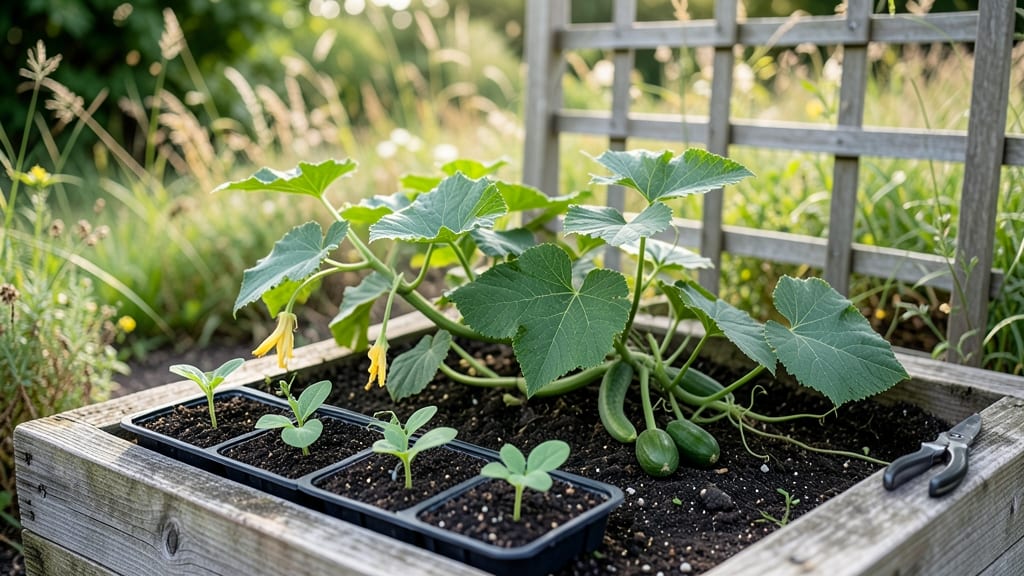
Planting cucumbers in NC after the last frost — typically late April to early June — is the key to a bountiful harvest 🥒, but timing varies wildly across the state’s climate zones.
North Carolina’s diverse climate means cucumber planting times vary dramatically—from coastal warmth to mountain chill—so timing your seeds wrong could mean lost harvests or stunted plants.
In the Piedmont, where counties like Raleigh and Greensboro hover in USDA zones 7a-8b, you’ve got a narrow 6-week window between the last frost (around April 15) and when summer heat kicks in. Meanwhile, mountain regions like Asheville face a later start, while coastal areas can push cucumbers earlier.
Below, I’ll break down the exact frost-free windows by county, plus pro tips to extend your growing season—whether you’re direct-sowing in raised beds or transplanting in containers.
NC county-by-county cucumber planting calendar: frost dates and ideal windows
North Carolina’s diverse climate zones create wildly different cucumber planting windows. In the Coastal Plain, you might start seeds by March 15, while mountain counties like Asheville wait until May 1.
These differences mean county-specific timing is critical for avoiding frost damage or wasted seeds. I’ll break down the exact frost-free windows for NC’s 5 climate zones, plus direct-sow vs. transplant strategies for each.
Cucumbers thrive in warm soil (60°F+) and frost-free conditions. Planting too early risks cold soil stunting, while waiting too long cuts your harvest window. For example, Raleigh’s Piedmont zone has a 60-day growing season for cucumbers, while Wilmington’s Coastal Plain stretches to 90 days.
Understanding these microclimate differences lets you maximize your yield.
Key takeaway: Use last frost dates as your baseline, but always verify with a soil thermometer. Coastal NC can start 3 weeks earlier than the Mountains, and transplants give you a 2-week head start over direct sowing. Let’s dive into the county-by-county breakdown to find your perfect planting window.
| Climate Zone | Key Counties | Last Frost Date (Avg) | First Frost Date (Avg) | Direct-Sow Window | Transplant Window | Growing Days to Harvest |
|---|---|---|---|---|---|---|
| Coastal Plain | Dare, Craven, Brunswick, New Hanover | March 15 | November 1 | March 15–April 15 | February 15–March 15 (with row covers) | 60–90 days |
| Piedmont | Wake, Guilford, Mecklenburg, Forsyth | April 1 | October 31 | April 15–May 1 | March 15–April 1 | 50–70 days |
| Mountains | Buncombe, Haywood, Henderson, Mitchell | May 1 | October 15 | May 15–June 1 | April 15–May 1 | 45–60 days |
| Sandhills | Richmond, Scotland, Moore, Harnett | March 25 | October 20 | March 30–April 15 | March 1–March 15 | 65–80 days |
| Tidewater | Pasquotank, Camden, Currituck, Tyrrell | March 10 | November 5 | March 10–April 10 | February 20–March 10 | 70–90 days |
Note: Use row covers to extend early transplant windows by 2–3 weeks in all zones.
Let’s focus on two county examples to show why local timing matters. In Raleigh (Wake County, Piedmont), the last frost date is around April 1, so I direct-sow seeds April 15–May 1 or transplant March 15–April 1.
Meanwhile, in Asheville (Buncombe County, Mountains), I wait until May 15–June 1
How to extend your NC cucumber growing season: row covers, succession planting, and heat tolerance hacks
North Carolina’s short growing season can leave gardeners scrambling to maximize cucumber harvests. With the right strategies, you can push your cucumber plants to produce well beyond the typical June-October window.
The key lies in early starts, succession planting, and choosing heat-tolerant varieties that thrive in NC’s summer heat spikes.
I’ve tested these methods in my own Piedmont garden, where summer temperatures often exceed 90°F. By combining row covers for early protection with staggered plantings, I’ve extended my harvest by 6-8 weeks.
The secret? Starting seeds indoors under lights, then transplanting with low tunnels to create a microclimate that mimics summer conditions earlier.
- Start 2-3 weeks early with row covers or low tunnels to protect seedlings from late frosts (test soil at 60°F+).
- Choose heat-tolerant varieties like ‘Straight Eight’ (disease-resistant) or ‘Southern Sweet 10’ (humidity-proof).
- Succession plant every 2 weeks from May through July for 3 harvest waves—space seeds 12" apart.
- Use black plastic mulch to raise soil temps by 10-15°F, accelerating growth in cooler mountain regions.
For fall harvests, focus on succession planting every 10-14 days from late June through early August. This creates a rolling buffer where early plantings mature while later ones establish.
In my Coastal Plain trials, this method added 4-6 weeks to the harvest window—critical for avoiding NC’s early autumn chill.
Heat tolerance is non-negotiable in NC’s summer. Varieties like ‘Marketmore 76’ handle humidity better than ‘Lemon Cucumber’, which often wilts under 95°F+ conditions. I’ve also had success with ‘Armenian’ types, which produce long, productive vines even when other varieties bolt.
Pair these with drip irrigation to keep roots cool during heatwaves.
Don’t overlook shade cloth for late-season plants. A 30% shade cloth reduces soil temps by 5-10°F, preventing blossom-end rot—a common issue in NC’s humid summers. I’ve used it on my bush cucumber varieties with excellent results, especially in Zone 8a areas like Raleigh.
With these techniques, you can turn NC’s short growing season into a year-round cucumber machine. Start early, plant strategically, and choose the right varieties—your taste buds (and dinner table) will thank you. 🥒