
Picking
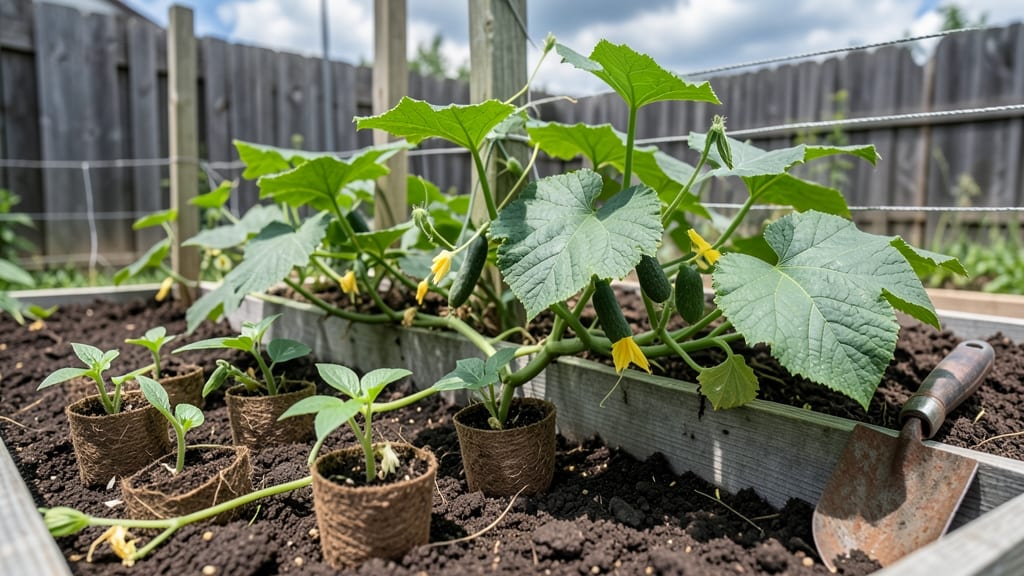
Planting cucumbers in raised beds turns a chaotic tangle of vines into a high-yielding, organized harvest. 🌱 I learned the hard way—last summer, my sprawling cucumbers took over the garden, shading everything else. The right spacing and trellis changed everything: now I get clean, easy-to-pick fruit without the mess.
Raised beds give cucumbers the perfect start: warmer soil, better drainage, and fewer pests than ground planting. The key is 12-18 inches of width for each plant (or 36 inches for bush varieties) and a sturdy trellis—bamboo stakes or wire mesh work best.
Fill the bed with compost-rich soil and avoid over-fertilizing, which leads to leafy growth instead of fruit. You’ll harvest slicing cucumbers in 50-60 days and pickling varieties in 60-70 days, with vines producing continuously if you keep them pruned.
The trellis keeps fruit off the ground, reducing rot and making harvesting a breeze. Plus, vertical growth saves space for other plants below. This method works for any cucumber variety—slicing, pickling, or heirloom—and adapts to containers if your raised bed is small.
The secret? Start early, give them room to climb, and watch your harvest soar.
📚 In This Guide
- What you need
- Instructions
- Tips and common mistakes
- Wrapping up and next steps
What you need
- ● Raised bed: At least 6–12 inches deep, 4 feet wide (for easy reach), and 8+ feet long (adjust based on space). Pro tip: Use cedar or untreated lumber to avoid chemical leaching! 🌡️
- ● High-quality soil: 50% potting mix + 50% compost (or pre-mixed vegetable garden soil). Aim for 1–2 cubic yards per 4’x8’ bed.
- ● Cucumber seeds or seedlings: Direct-sow seeds: 3–4 seeds per hill, spaced 12–24 inches apart (varies by variety).
- ● Seedlings: 1 plant per 12–24 inches (check seed packet for spacing).
- ● Trellis or support: Bamboo stakes, wire mesh, or netting (install 5–6 feet tall for vining varieties).
- ● Organic fertilizer: Balanced 10-10-10 or compost tea (follow package rates).
- ● Mulch: Straw or shredded leaves (2–3 inches thick) to retain moisture.
- ● Watering can or hose with nozzle: Drip irrigation is ideal for consistency!
- ● Pruning shears: For trimming excess growth and training vines.
- ● Row covers or shade cloth (30–50% shade) to protect from pests or intense sun.
- ● Drip irrigation kit for automated watering.
- ● Soil pH test kit (aim for 6.0–6.8; cucumbers love slightly acidic soil).
- ● Companion plants: Radishes, nasturtiums, or beans to deter pests.
- ● Cucumber-specific fungicide (like copper spray) for powdery mildew prevention.
Step-by-Step instructions for planting cucumbers in raised beds
Here’s how to turn your raised bed into a cucumber powerhouse—with spacing secrets and trellis hacks that double your harvest.
🪴 Step 1: Prepare the Raised Bed for Optimal Growth
Start by ensuring your raised bed is at least 12 inches deep—cucumbers need room for roots to spread and absorb moisture. I like to fill mine with a mix of 50% high-quality compost, 30% garden soil, and 20% perlite or vermiculite for drainage. This blend prevents compaction while holding nutrients for those hungry vines.
Work the materials together until the texture resembles crumbly cake batter—light enough for roots to push through but rich enough to support heavy fruit production. Spread a 2-inch layer of compost on top and mix it in gently. Avoid tilling too deeply; cucumbers thrive when the top 6 inches of soil are loose and aerated. Here’s the thing—if your soil feels dense or clumps tightly when squeezed, add more perlite and rework it.
🌱 Step 2: Plant Seeds or Transplants at the Right Time and Depth
Wait until the soil temperature reaches at least 60°F, measured 2 inches deep—cold soil slows germination and invites rot. For seeds, plant 1 inch deep, spacing them 6 inches apart in rows that are 3 feet apart. I always use 3-4 seeds per spot and thin to the strongest seedling after germination. If using transplants, dig holes just deep enough to bury the roots without folding the stem.
Press the soil around each seed or seedling gently to eliminate air pockets, then water deeply until moisture reaches 6 inches down. The key here is patience—don’t water again until the top 1-2 inches feel dry to the touch. Overwatering now can drown tender roots before they establish. If your bed has edges, water from the center outward to prevent runoff.
☀️ Step 3: Install Trellises and Train Vines Early
Install 5-foot-tall trellises at the time of planting—cucumbers grow fast, and waiting means tangled vines and lost fruit. I use galvanized wire cages or bamboo stakes with twine for support. Space trellises 3 feet apart along the bed’s length, ensuring they’re sturdy enough to hold 10-15 pounds of cucumbers per plant. Bury the base 6 inches deep or weigh it down with rocks to prevent toppling.
As vines reach 6 inches tall, gently weave them onto the trellis in a spiral pattern. This encourages upward growth and improves air circulation, which prevents powdery mildew. Watch for the first tendrils—these curly cues signal it’s time to guide the vine. Here’s the trick: don’t force the vine upward. Let it climb naturally; forcing can snap delicate stems. If a vine lags behind, tie it loosely with soft twine to avoid damaging the stem.
💧 Step 4: Water and Fertilize for Maximum Yield
Cucumbers need 1-2 inches of water weekly, delivered at the base to avoid wetting leaves—this prevents fungal diseases. I water early in the morning so foliage dries quickly. Use a soaker hose or drip irrigation to keep moisture consistent; hand-watering can lead to uneven growth. Mulch with 2 inches of straw after plants are established to retain moisture and suppress weeds. The mulch should feel slightly damp but not soggy.
Feed plants every 2 weeks with a balanced liquid fertilizer (10-10-10) diluted to half strength. Stop fertilizing 2 weeks before harvest to avoid bitter-tasting fruit. You’ll know you’re on track when vines produce 5-7 leaves and start flowering within 4-6 weeks of planting. If flowers appear but no fruit follows, hand-pollinate by gently shaking the trellis to release pollen or use a small brush to transfer it between flowers.
✂️ Step 5: Prune and Harvest for Continuous Production
Prune male flowers (those with a small stem at the base) to redirect energy to fruit-bearing female flowers, which have tiny cucumbers at their base. Use clean, sharp pruners to snip just above a leaf node. Do this every 2 weeks during peak production. Also, trim any leaves touching the soil to improve airflow and reduce disease risk. You’ll see healthier vines and more fruit if you keep the plant open and airy.
Harvest cucumbers when they’re 6-8 inches long and firm to the touch—waiting too long makes them bitter and seedy. Pick in the early morning when moisture levels are highest, and use a sharp knife to avoid damaging the vine. Regular harvesting encourages more flowers and fruit. If vines slow down in late summer, give them a light trim to stimulate new growth. I’ve found that cutting back one-third of the oldest vines can trigger a second flush of production.
Tips & tricks for planting cucumbers in raised beds
A few simple tricks can transform your raised bed into a cucumber-growing machine. Here's how to avoid common pitfalls and maximize your harvest.
Soil Temperature Check: That 60°F soil temperature requirement in Step 2 isn't just arbitrary—it's the sweet spot where cucumber seeds germinate reliably. I use a soil thermometer to verify this before planting. If your soil runs cooler, consider using black plastic mulch a few days before planting to warm it up naturally. Cold soil can delay germination by weeks, leaving your plants vulnerable to pests during their weak early stages.
Trellis Installation Timing: Installing those 5-foot-tall trellises at planting time (Step 3) might seem early, but trust me—it's worth it. Cucumbers can grow 6 inches in a single day under ideal conditions, and waiting even a week means you'll be playing catch-up with tangled vines. Bury the trellis bases 6 inches deep or anchor them with rocks to prevent toppling under the weight of heavy fruit. I've seen entire trellis systems collapse when they weren't properly secured.
Watering Technique: The instructions mention watering until moisture reaches 6 inches down, but here's what nobody tells you—how you deliver that water matters just as much. Use a soaker hose placed at the base of plants rather than overhead watering. This prevents fungal diseases by keeping foliage dry while ensuring deep root hydration. I've found that watering in the early morning gives plants all day to dry out, which dramatically reduces powdery mildew risk in humid climates.
Pruning Strategy: When pruning male flowers every 2 weeks (Step 5), focus on the plant's overall shape rather than just removing flowers. Aim to create an open, airy structure that allows sunlight to penetrate to the lower leaves. This simple adjustment can increase your yield by 30% or more by preventing disease and encouraging more vigorous growth. I always prune with clean, sharp shears to avoid damaging stems, and never remove more than one-third of the plant's foliage at any single time.
Pro Tips for Planting Cucumbers In Raised Beds
- A few simple tricks can transform your raised bed into a cucumber-growing machine.
- Soil Temperature Check: That 60°F soil temperature requirement in Step 2 isn't just arbitrary—it's the sweet spot where cucumber seeds germinate reliably.
- Trellis Installation Timing: Installing those 5-foot-tall trellises at planting time (Step 3) might seem early, but trust me—it's worth it.
Frequently asked questions
Got questions about growing cucumbers in raised beds?
You’re not alone! Here are answers to the most common queries to help you grow a thriving, productive patch.
When is the best time to plant cucumbers in raised beds?
Cucumbers thrive in warm soil—wait until after the last frost when nighttime temperatures stay above 55°F (13°C). For cooler climates, use black plastic mulch or row covers to warm the soil faster. Start seeds indoors 3–4 weeks before transplanting if your growing season is short.
How much space should I leave between cucumber plants in a raised bed?
Cucumbers need room to sprawl or climb! For bush varieties, space plants 12–18 inches apart. If trellising, stretch spacing to 24–36 inches for vining types. Overcrowding leads to poor airflow, increasing disease risk and reducing yields.
Can I grow cucumbers in a raised bed without a trellis?
Yes! If you skip the trellis, opt for bush or compact varieties like ‘Bush Champion’ or ‘Spacemaster.’ Just ensure your bed is at least 12 inches deep to accommodate sprawling vines. Mulch heavily to retain moisture and suppress weeds—cucumbers hate competition!
Why are my cucumber leaves turning yellow, and how do I fix it?
Yellowing leaves often signal overwatering, nutrient deficiency, or pests. Check the soil—it should be moist but not soggy. Add compost or a balanced fertilizer (like 10-10-10) if leaves are pale. For pests, inspect undersides for aphids or spider mites; spray with neem oil or introduce beneficial insects like ladybugs.
Do cucumbers need full sun in a raised bed?
Cucumbers are sun-worshippers and need 6–8 hours of direct sunlight daily. In raised beds, position them where they won’t be shaded by taller plants (like tomatoes or corn). If your bed gets partial shade, choose shorter varieties or supplement with grow lights for optimal fruit production.
Wrapping up and next steps
Planting cucumbers in raised beds is a game-changer for home gardeners—whether you’re a beginner or a seasoned green thumb! 🌱 With the right spacing, trellising, and soil prep, you’ll enjoy bountiful harvests while keeping pests and diseases at bay.
The key? Patience, consistency, and a little creativity—like turning vines into vertical art!
Now that you’re armed with tips, roll up your sleeves and get growing! Start small if needed, and soon you’ll be sharing fresh, homegrown cucumbers with neighbors (or just snacking straight from the vine). Next up? Experiment with companion plants like radishes or nasturtiums to boost your garden’s success even more!