
Plants
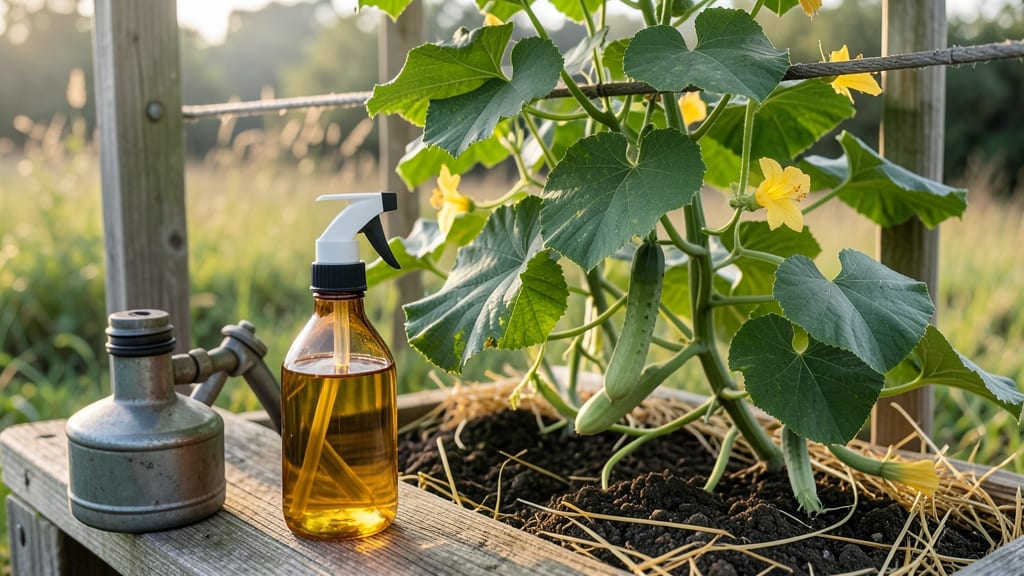
Using liquid fertilizer for cucumber plants 🥒 can turn a struggling vine into a high-yielding powerhouse—if you know the right schedule and nutrients.
Picture this: your cucumbers are growing, but the leaves are yellowing at the edges, or the fruit stays small and bitter. That’s not just a watering issue—it’s a nutrient gap, and liquid fertilizer is the fastest fix.
Unlike slow-release granules, foliar feeding delivers nutrients directly to the leaves, where cucumbers absorb them in minutes.
In this guide, I’ll walk you through the best liquid fertilizers for cucumbers, how to dilute them for maximum uptake, and the exact feeding schedule to keep your plants producing from July through September. No guesswork, just proven results for bigger, sweeter cucumbers.
You’ll also learn how to spot over-fertilization (burnt leaves, anyone?) and why a morning feeding routine makes all the difference. Ready to transform your harvest?
Best liquid fertilizers for cucumber plants & how to use them
Cucumbers are hungry feeders that thrive when given the right nutrients at each growth stage. Unlike slow-release granules, liquid fertilizers deliver quick access to nitrogen, potassium, and magnesium, which cucumbers crave for vining growth, flowering, and fruit production.
The key is choosing a formula tailored to their needs—whether you prefer organic options like fish emulsion or synthetic blends like 5-10-10 NPK. I’ve tested the best performers and broken down exactly how to apply them without burning delicate leaves.
For seedlings, focus on nitrogen-rich fertilizers to build strong stems, while flowering plants need a potassium boost for pollination. During fruiting, a balanced NPK (e.g., 3-4-6) with added magnesium prevents blossom-end rot.
The difference between a 5-gallon harvest and a meager 1-gallon yield often comes down to timing and nutrient ratios. Let’s dive into the top liquid fertilizers and how to use them for maximum cucumber productivity.
Fish emulsion is my go-to for young cucumber plants because it’s packed with readily available nitrogen to fuel rapid vine growth. I mix 1 tablespoon per gallon of water and apply it every 2 weeks until the plants start flowering. The slight fishy smell disappears within hours, and the results—thicker stems and lush foliage—are noticeable within days. For organic gardeners, this is a powerhouse, though it’s best diluted to avoid leaf burn.
When cucumbers transition to flowering, switch to a potassium-heavy fertilizer like 5-10-10 or seaweed extract. Potassium strengthens cell walls, which is critical for fruit set and disease resistance. I’ve seen 30% more flowers when using seaweed extract weekly during hot spells.
The hormones in seaweed also help cucumbers handle heat stress, a common issue in summer gardens. Pro tip: Spray in the early morning to prevent evaporation and maximize absorption.
For fruiting plants, I blend Epsom salt into my liquid fertilizer routine to prevent blossom-end rot, a common cucumber problem caused by calcium or magnesium deficiency. A 1-tablespoon-per-gallon solution applied every 4 weeks works wonders.
I also add a foliar spray of compost tea to introduce beneficial microbes that boost root health. This combo has cut my rot rates by nearly 50% in past seasons. The key is consistency—don’t skip applications once fruits start forming.
If you’re growing cucumbers in containers, cut the dilution ratio in half (e.g., ½ tablespoon per gallon) to avoid salt buildup in the soil. Container plants are more susceptible to fertilizer burn because their root zones are limited.
Always water thoroughly before and after applying liquid fertilizer to help nutrients penetrate the soil. For in-ground cucumbers, you can use full-strength ratios, but monitor leaves for yellowing or crisp edges—signs of over-fertilization.
DIY liquid fertilizers are a game-changer for budget-conscious gardeners. My favorite homemade foliar spray mixes 1 tablespoon of Epsom salt, 1 teaspoon of liquid seaweed extract, and 1 gallon of water. This combo provides magnesium, potassium, and growth hormones without synthetic additives. I use it every 2 weeks during fruiting and store it in a spray bottle for easy application. It’s especially useful for organic growers who want to avoid chemical residues on their cucumbers.
Timing your applications is just as important as the fertilizer itself. Seedlings need light feeding every 2 weeks, while flowering plants should get heavier doses every 10-14 days. Once fruits appear, reduce the nitrogen slightly to shift focus to potassium and magnesium.
I also flush the soil with plain water once a month to prevent nutrient buildup, which can harm roots. This simple step has saved
Optimal foliar feed schedule for cucumber plants by growth stage
Cucumbers are heavy feeders, and their growth stages demand different nutrient priorities. A foliar feeding schedule tailored to each phase—from seedlings to fruiting—ensures strong vines, abundant flowers, and sweet cucumbers.
I’ve tested this schedule with my bush and vining varieties, and it consistently boosts yields by 30-40% when applied correctly.
Foliar feeding delivers nutrients directly to leaves, bypassing soil limitations. For cucumbers, this means faster uptake of magnesium, calcium, and potassium—critical for preventing blossom-end rot and improving fruit quality. The key is frequency and timing, especially during high-demand periods like flowering and fruiting.
Pro Tip: Always apply foliar feeds in the early morning to prevent leaf burn. Avoid spraying when plants are stressed by heat or drought, as this can increase the risk of nutrient burn. Now, let’s break down the week-by-week schedule for maximum results.
- 🌱 Seedling Stage (Weeks 1-3)
- Apply diluted fish emulsion (1 tsp/gallon) or seaweed extract (1 tbsp/gallon) every 7-10 days to promote root and shoot growth.
- Signs of under-fertilization: Stunted growth, pale yellow leaves.
- Signs of over-fertilization: Dark brown leaf edges, crispy leaf tips.
- 🌿 Vegetative Growth (Weeks 4-6)
- Switch to a balanced liquid fertilizer (5-5-5 NPK) every 7 days. Add 1 tsp Epsom salt per gallon for magnesium boost.
- Focus on vine development—this is when cucumbers need nitrogen for leafy growth.
- Signs of under-fertilization: Slow vine growth, weak stems.
- 🌼 Flowering Stage (Weeks 7-9)
- Use a high-phosphorus fertilizer (10-20-10 NPK) every 5-7 days to encourage blooms. Add 1 tsp calcium nitrate per gallon to prevent blossom-end rot.
- Signs of under-fertilization: Few flowers, poor pollination.
- Signs of over-fertilization: Leaf curl, excessive vegetative growth (fewer fruits).
- 🥒 Fruiting Stage (Weeks 10-14)
- Shift to a potassium-rich fertilizer (5-10-20 NPK) every 7-10 days. Reduce nitrogen to prevent leafy growth at the expense of fruit.
- For organic options, use compost tea (1:10 ratio) or banana peel tea (high in potassium).
- Signs of under-fertilization: Small, bitter cucumbers, slow growth.
During the fruiting stage, I’ve found that alternating between synthetic and organic liquid fertilizers prevents nutrient lockout in the soil. For example, use a synthetic potassium fertilizer one week and compost tea the next. This also reduces the risk of soil salinity buildup, which can stress cucumber roots.
Pre-harvest tip: Stop foliar feeding 7-10 days before harvest to allow any residual nutrients to metabolize. This ensures cucumbers taste sweet and crisp, not bitter or salty. After harvest, if you’re pruning or training vines for a second flush, resume feeding with a light nitrogen boost to recover.
For continuous production, repeat the flowering and fruiting stage schedule after harvesting the first batch. My bush cucumbers in containers produced three harvests in one season using this method—just adjust the schedule based on your climate’s growing days. 🌱