
How To
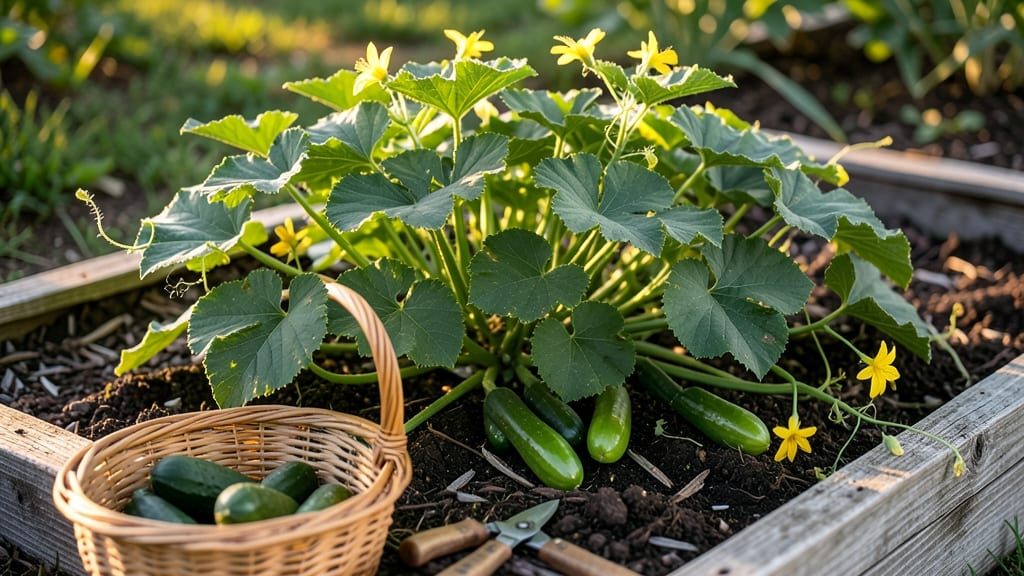
To pick bush cucumbers at the perfect moment means harvesting crisp, flavorful fruit 🥒—and avoiding the bitter, seedy disappointment of waiting too long.
I’ve watched my own plants go from prolific producers to sad, overripe shadows because I missed the window. The difference between a thriving harvest and wasted effort often comes down to knowing three key signs that your bush cucumbers are ready.
Size, color, and firmness aren’t just details—they’re your garden’s way of telling you when to act. A cucumber that’s 4–8 inches long, deep green, and just slightly yielding to pressure is at its peak.
But wait too long, and you’ll end up with tough, mealy fruit that’s past its prime.
Below, I’ll walk you through how to spot the ideal harvest time, how often to check your plants, and what happens if you pick too early or too late—so you can turn your bush cucumbers into a steady, delicious summer supply.


3 Visual signs your bush cucumbers are ready for harvest
Nothing beats the satisfaction of plucking a perfectly ripe bush cucumber from your garden—crisp, flavorful, and ready to enjoy. But timing is everything. Harvest too early, and you’ll get underripe, bitter fruit. Wait too long, and your cucumbers turn seedy, tough, and overgrown, leaving you with wasted effort.
The key? Learning to read your plants for these three unmistakable visual cues that scream "pick me now!"
I’ve learned the hard way that ignoring these signs leads to overcrowded vines and reduced future yields. Bush cucumbers, unlike their sprawling vine cousins, produce all their fruit at once, so staying on top of harvests is critical.
Let’s dive into the exact physical clues you need to know to time your harvest perfectly.
🌱 Numbered Highlights: When to Pick Bush Cucumbers
-
📏 Size: 4-8 inches long
Bush cucumbers hit peak flavor at 4-8 inches. Smaller than 4 inches? Too early. Longer than 8 inches? They’ll start turning woody and bitter.
-
🤏 Firmness: Skin yields slightly when pressed
Press a thumb gently on the cucumber’s skin. It should give just a little—like a ripe avocado. If it’s rock-hard, it’s not ready. If it’s too soft, it’s overripe.
-
🌿 Color: Uniform, bright green (no yellowing)
Look for a consistent, vibrant green hue. Any yellowing or streaks mean it’s past its prime. Bush cucumbers won’t turn yellow like some varieties—so color cues are your best guide.
-
✂️ Stem test: Snaps easily when bent
Grasp the cucumber near the stem and bend it gently. If the stem snaps cleanly, it’s ready. If it resists or pulls away, it’s not ripe enough.
💡 Pro Tip: Always use a sharp pruner or knife to avoid damaging the vine. Leave a small stem attached to prevent rot.
One of the biggest mistakes I see gardeners make is waiting for cucumbers to reach their maximum size. While some varieties get sweeter as they mature, bush cucumbers lose flavor quickly once they exceed 8 inches.
Their crisp texture and delicate taste degrade fast, turning them into leathery, seedy messes.
Climate plays a role too. In hotter regions (Zones 8-10), cucumbers ripen faster—sometimes in as little as 45 days. In cooler climates (Zones 4-6), they may take up to 70 days.
That’s why I always check my local frost dates and adjust my harvesting schedule accordingly. If you’re in a shorter growing season, prioritize picking early to maximize your harvest before frost hits.
Another trick I swear by? Harvest in the morning. Cucumbers are coolest and crispest first thing in the day, making it the best time to check for ripeness. Plus, picking early reduces the risk of pests like cucumber beetles damaging your crop.
I keep a small basket nearby and check my plants every 2-3 days during peak season.
Overripe cucumbers aren’t just unpleasant to eat—they signal your plant’s energy is shifting away from producing new fruit. If you notice yellow blossom ends (the flower end turning yellow) or spotted, shriveled skin, it’s a clear sign you’ve missed the window.
These cucumbers are past their prime and should be harvested immediately, even if they’re not perfect, to encourage more production.
For the best results, I recommend picking consistently and removing all ripe cucumbers at once. This tricks the plant into producing more fruit instead of letting a few cucumbers hog all its resources.
Think of it like pruning—you’re shaping your plant’s growth by staying proactive. And if you’re growing bush cucumbers in containers, this is especially important since space is limited.
Finally, don’t overlook the stem’s role. When a cucumber’s stem dries out and turns brown, it’s a red flag that the fruit is overripe. At this stage, the cucumber will start absorbing moisture from the plant, weakening it.
If you see this, harvest immediately and increase watering to help the plant recover. Your next batch of cucumbers will thank you!
How often to check and pick bush cucumbers for maximum production
To keep your bush cucumbers producing like a well-oiled machine, you need to harvest them at the right frequency. I’ve learned the hard way that skipping this step leads to bitter fruit and fewer cucumbers overall.
The key is checking your plants every 2-3 days during peak production—typically July through August in most climates.
When you harvest frequently, your bush cucumber plants redirect their energy into producing more flowers and fruit instead of letting cucumbers overripen. This simple habit can nearly double your yield over the season. Plus, morning harvests ensure you get the freshest, crispest cucumbers for your table.
⚠️ callout warning ⚠️
If you see yellowing skin, soft spots, or wrinkled ends, your cucumbers are past their prime. These are signs of overripeness that mean your plant is stressed and may stop producing. Worse, overripe cucumbers develop bitter compounds that ruin their flavor. Adjust your harvesting routine immediately if you spot these cues—your plant needs more frequent picking!
For bush cucumber varieties, aim to harvest when cucumbers reach 4-8 inches long. This size range ensures they’re crisp and flavorful while still encouraging the plant to keep producing.
I like to use my pruning shears for a clean cut, leaving about ½ inch of stem attached to prevent disease.
In hot climates (Zones 9-11), you might need to harvest daily to keep up with rapid growth. Meanwhile, in cooler regions (Zones 3-7), every 2-3 days works perfectly.
Always check your plants after rainy periods—cucumbers grow faster when they’re well-watered, and you don’t want to miss a harvest!
Pro tip: Use a small basket or tray under your plants to catch fallen cucumbers. This helps you spot ready-to-harvest fruit you might’ve missed during your regular checks. Plus, it keeps your garden tidy and reduces pest attraction from rotting cucumbers on the ground.
If you notice fewer flowers but plenty of overgrown cucumbers, it’s time to adjust your care routine. Increase watering slightly, add a balanced fertilizer, and harvest more aggressively for 1-2 weeks. Your plant will often bounce back with a fresh burst of production.