
Vegetables
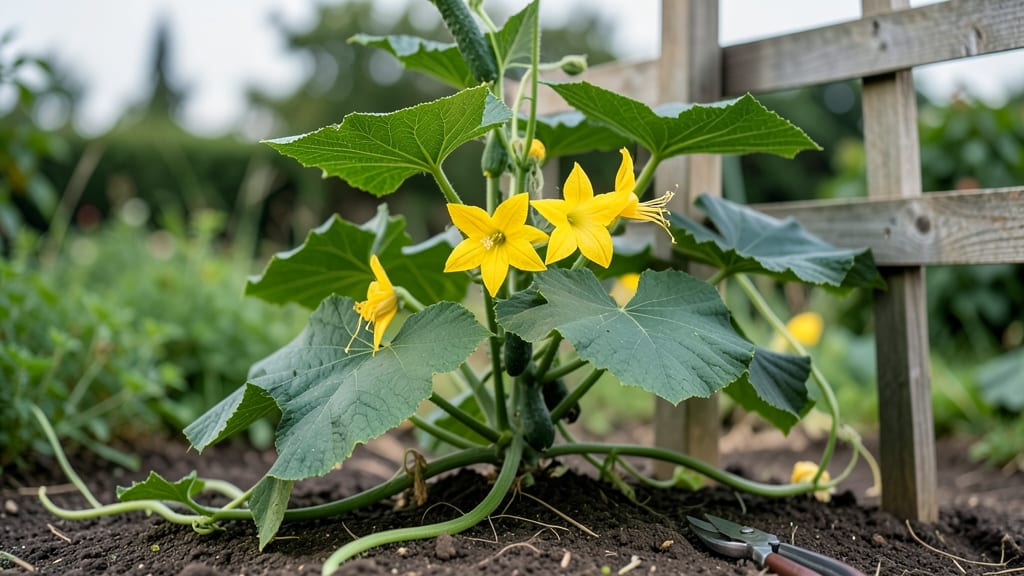
Your cucumbers not producing fruit—even when the plants look thriving—can be frustrating, but the solution is often simpler than you’d expect. The good news is that cucumbers are surprisingly resilient once you address the root cause, whether it’s pollination, temperature swings, or poor plant health.
Most of the time, the issue boils down to two main problems: either your cucumbers aren’t getting pollinated properly (especially in containers or greenhouses) or the weather is throwing them off their game—like sudden heat waves or cold snaps.
Even overwatering or nutrient imbalances can trick plants into dropping flowers before they fruit. The fix isn’t complicated, but it does require checking a few key things first.
Hand-pollination is your secret weapon here—just a few gentle taps with a paintbrush or your finger can double your fruit set. Pair that with consistent watering (about 1-1.5 inches per week) and a balanced fertilizer, and you’ll see those cucumbers start forming within 3-5 days.
The best part? These fixes work for both bush and vining varieties, whether you’re growing in the ground or containers.
Here’s the kicker: once you get the hang of it, you’ll never waste another season wondering why your cucumbers are playing hard to get. Let’s troubleshoot step by step—your first harvest is closer than you think!
Root Causes Behind Cucumber Fruitlessness
When your cucumber plants seem to be all leaves and no fruit, it’s often a sign that something fundamental is out of balance. Understanding these triggers can help you pinpoint the issue and take corrective action. Here’s a breakdown of the most common culprits:
Cucumbers are warm-season plants that thrive in specific temperature ranges. If conditions stray too far from ideal, flowers may drop before setting fruit—or fail to form at all.
- Too Hot or Too Cold: Cucumbers prefer daytime temperatures between 70–90°F (21–32°C) and nighttime temps above 60°F (15°C). Below 55°F (13°C), pollen production slows or stops, leading to male flowers only (which don’t produce fruit).
Above 95°F (35°C), female flowers may abort due to heat stress. - Pro Tip: 🌡️ Use shade cloth in peak summer or opt for heat-tolerant varieties like ‘Straight Eight’ or ‘Marketmore 76.’
- Poor Pollination: Cucumbers rely on bees, wind, or gentle vibration (like hand-pollination) to transfer pollen from male to female flowers.
Without this, female flowers (the ones that develop into fruit) wilt and drop. - Sign to Watch For: Female flowers have tiny cucumbers at their base—if these disappear, pollination is the issue. - Fix: 🐝 Attract pollinators with native flowers or manually pollinate by gently brushing flowers with a paintbrush or cotton swab.
Cucumbers are heavy feeders, and soil that’s deficient or overly rich in certain nutrients can stunt fruit production.
- Nitrogen Overload: Too much nitrogen (common in fresh manure or over-fertilizing) promotes leafy growth at the expense of flowers and fruit. The plant prioritizes foliage over reproduction. - Test Your Soil: A simple soil test kit can reveal nitrogen (N), phosphorus (P), and potassium (K) levels.
Aim for a balanced 10-10-10 or 5-10-10 fertilizer ratio once vines start running. - Fix: 🌱 Reduce nitrogen-heavy fertilizers and switch to a phosphorus-rich option (like bone meal) to encourage flowering.
- Phosphorus Deficiency: Phosphorus (P) is critical for flower and fruit development. Without enough, plants may produce flowers that drop prematurely.
- Signs: Dark green or purple-tinged leaves, stunted growth, or weak stems.
- Fix: Apply a low-nitrogen, high-phosphorus fertilizer (e.g., 0-10-10) when plants are 4–6 weeks old.
- Calcium & Boron Shortages: These micronutrients are vital for cell wall formation in developing fruit.
Deficiencies lead to blossom end rot (in tomatoes) or fruit drop in cucumbers. - Fix: 💡 Mix crushed eggshells (for calcium) or borax (1 tsp per gallon of water, used sparingly) into the soil. Avoid overapplying boron, as it can be toxic.
Inconsistent watering or poor moisture management can shock cucumber plants into dropping flowers and fruit.
- Fluctuating Moisture: Cucumbers have shallow roots and need consistent soil moisture (about 1–2 inches of water per week).
Drought stress or sudden watering can cause: - Male flowers only (due to hormonal shifts). - Female flowers aborting if the plant is dehydrated or overwatered (leading to root rot). - Fix: 🌊 Use drip irrigation or soaker hoses to deliver water at the base, keeping soil evenly moist but not soggy.
Mulch with straw to retain humidity.
- Salt Buildup: Over-fertilizing or poor-quality water can cause salt accumulation in the soil, which stresses plants and inhibits fruit set.
- Fix: 🧼 Flush the soil with clean water (let it run through the root zone) if you suspect salt buildup. Avoid fertilizing during drought conditions.
Diseased or pest-stressed cucumber plants divert energy away from reproduction, leading to poor fruit production.
- Powdery Mildew & Downy Mildew: These fungal diseases clog stomata (leaf pores), reducing photosynthesis and weakening the plant.
Infected plants may produce fewer female flowers. - Fix: 🍄 Spray plants with a baking soda solution (1 tbsp baking soda + 1 tsp soap + 1 gallon water) weekly or use neem oil preventatively.
- Cucumber Beetles & Spider Mites: These pests transmit viruses (like cucumber mosaic virus) and feed on leaves, starving the plant of energy needed for fruit development.
- Fix: 🐞 Use row covers early in the season or apply insecticidal soap or pyrethrin spray as needed.
- Root Rot or Wilting: Overwatering or compacted soil can lead to root damage, cutting off nutrient and water supply to the plant.
- Fix: 🔄 Improve drainage by amending soil with compost or perlite and avoid planting in low-lying areas where water pools.
Not all cucumber varieties are created equal—some are bred for specific growing conditions or fruitfulness.
- Parthenocarpic vs. Pollination-Dependent: Some hybrids (like ‘Diva’ or ‘Sweet Success’) produce seedless fruit without pollination, making them ideal for greenhouses or areas with few pollinators. Others rely on bees or wind.
- Fix: 🌱 Choose a parthenocarpic variety if pollinators are scarce in your region.
- Age & Maturity: Young cucumber plants (under 4–6 weeks) may not have enough energy to produce fruit. Similarly, over-mature plants (past their prime) slow down.
- Fix: 📅 Plant succession crops or provide balanced fertilizer to extend the plant’s productive window.
Key Takeaway: Most cases of cucumbers not setting fruit boil down to one (or more) of these factors: temperature stress, nutrient imbalances, watering issues, pests, or variety mismatches. By addressing the root cause, you’ll give your plants the best shot at a bountiful harvest!
Fixing Cucumber Fruit Drop Fast
Now that you know why your cucumbers aren’t fruiting, let’s roll up our sleeves and get those vines producing! The good news? Most issues have simple, actionable fixes. Below, we’ve mapped the most common causes to their solutions—plus tips to keep your plants thriving long-term.
Cause: Poor pollination (especially in greenhouses or indoor grows) leads to blossom drop. Solution:
- Hand-pollinate flowers 🐝: Use a small paintbrush or cotton swab to transfer pollen from male (long stems) to female (tiny cucumbers at base) flowers. Do this in the morning when flowers are fresh.
- Invite pollinators 🐝: Plant companion flowers like marigolds, nasturtiums, or borage near your cucumbers to attract bees.
- Shake plants gently 🌬️: If growing outdoors, give the vines a light shake in the morning to help pollen spread naturally.
Prevention Tip: 💡 For greenhouse growers, consider a small fan on low speed to mimic wind and aid pollination.
Cause: Inconsistent sunlight or temps outside the ideal range (55–95°F) stress plants. Solution:
- Move plants to sunnier spots ☀️: Cucumbers need 6–8 hours of direct sunlight daily. If shaded, relocate or prune overhanging branches.
- Use row covers ❄️: Protect young plants from cold snaps (below 55°F) with lightweight fabric.
- Extend the season 🌱: In cool climates, start seeds indoors 2–3 weeks before the last frost, then transplant after soil warms.
Prevention Tip: 🌡️ Monitor temps with a soil thermometer—consistent warmth (70–85°F) prevents shock.
Cause: Overwatering or drought stress disrupts flowering and fruiting. Solution:
- Water deeply but infrequently 💦: Aim for 1–1.5 inches per week, soaking the root zone (not the leaves). Use drip irrigation or soaker hoses to avoid wetting foliage.
- Mulch heavily 🌿: Apply 2–3 inches of straw or shredded leaves to retain moisture and regulate soil temp.
- Check soil moisture 🔍: Stick your finger 1–2 inches into the soil—if dry, water immediately.
Prevention Tip: ✨ Early morning watering reduces evaporation and fungal risks.
Cause: Nutrient imbalances (especially low nitrogen or potassium) weaken plants. Solution:
- Feed with balanced fertilizer 🌱: Use a 10-10-10 or 5-10-10 formula at planting, then switch to a low-nitrogen, high-phosphorus (like 3-6-6) when flowers appear.
- Add compost or worm castings 🐛: Mix in 2–3 inches of compost at planting for slow-release nutrients.
- Avoid over-fertilizing ⚠️: Too much nitrogen = leafy growth, no fruit. Stop fertilizing once fruits start forming.
Prevention Tip: 💪 Side-dress with banana peels (rich in potassium) to boost flowering.
Cause: Root-bound plants or crowded vines stress cucumbers. Solution:
- Repot if container-bound 🪴: Move to a 5-gallon minimum pot with drainage holes. Use well-draining soil (60% potting mix + 40% compost).
- Prune aggressively ✂️: Trim yellowed leaves, suckers, and overcrowded vines to improve airflow. Focus on keeping the main stem strong.
- Train vines 🎯: Use trellises or cages to elevate plants—this reduces disease risk and improves fruit access to sunlight.
Prevention Tip: 🌿 Prune regularly (every 2 weeks) to prevent powdery mildew.
Cause: Insects (aphids, cucumber beetles) or fungi (powdery mildew) sap energy. Solution:
- Spray neem oil 🌿: Mix 1 tbsp neem oil + 1 tsp mild soap in 1 quart water. Spray leaves every 5–7 days to deter pests.
- Use row covers 🛡️: Protect young plants from beetles with lightweight fabric until flowers appear.
- Remove infected leaves 🗑️: Prune and destroy any yellowed or spotted foliage immediately.
Prevention Tip: 💡 Rotate crops yearly to prevent soil-borne diseases.
If your cucumbers are still not fruiting after 2–3 weeks of fixes, try this:
- Stop fertilizing ⏹️: Let the plant focus on flowering, not leaf growth.
- Reduce water slightly 💧: Let the top inch of soil dry out between waterings.
- Prune back by 1/3 ✂️: Cut the main stem just above a leaf node to encourage new, vigorous growth.
- Wait and watch 👀: New flowers should appear in 7–10 days.
Need a cheat sheet? Bookmark this!
| Problem | Quick Fix | Prevention |
|---|---|---|
| No pollination | Hand-pollinate or shake plants | Plant bee-friendly flowers nearby |
| Too little sunlight | Relocate to sunnier spot | Use reflective mulch for shade gardens |
| Over/under watering | Adjust to deep, consistent watering | Mulch heavily + drip irrigation |
| Nutrient deficiency | Switch to bloom-boost fertilizer | Test soil yearly |
| Pests/diseases | Neem oil spray + prune infected areas | Rotate crops + clean tools |
Pro Tip: 🎯 Patience is key! Cucumbers may take 2–4 weeks to respond to fixes. Keep a garden journal to track what works.
Frequently asked questions
Why are my cucumber plants only producing male flowers?
Male flowers appear first and have long stems with no swelling at the base. This often happens when temperatures dip below 55°F (13°C) or above 95°F (35°C), stressing the plant. It can also occur if your cucumbers aren't getting enough phosphorus or if they're overwatered. Try hand-pollinating female flowers (look for tiny cucumbers at their base) with a paintbrush to encourage fruit set.
How do I know if my cucumber flowers need hand-pollination?
Female flowers have a tiny cucumber-shaped swelling at their base, while male flowers have long, slender stems. If you're growing in a greenhouse, container, or have few bees, gently brush a paintbrush or cotton swab against female flowers in the morning to transfer pollen. This mimics wind pollination and can double your fruit production!
Can I save my cucumber plants if they're already dropping flowers?
Yes! First, check for stress factors like inconsistent watering or nutrient imbalances. Reduce nitrogen fertilizer (which promotes leaves over fruit) and switch to a phosphorus-rich formula. Also try pruning back by 1/3 to encourage new growth. With proper care, you should see new flowers in 7-10 days. For heat stress, provide afternoon shade until temperatures stabilize.
What's the best fertilizer ratio for cucumbers that aren't producing fruit?
Start with a balanced 10-10-10 fertilizer at planting, then switch to a low-nitrogen, high-phosphorus formula like 3-6-6 when flowers appear. Too much nitrogen causes leafy growth at the expense of fruit. For organic options, use bone meal (phosphorus) or composted manure. Always water thoroughly after fertilizing to prevent root burn.
Will trellising my cucumbers help with fruit production?
Trellising improves airflow, reduces disease risk, and helps fruits get more sunlight, which speeds up ripening. Use a sturdy cage or string trellis and prune side shoots to focus energy on the main vine. This also makes harvesting easier and prevents soil-borne diseases from splashing onto leaves. Just be sure to train vines gently to avoid damaging stems.