
How To
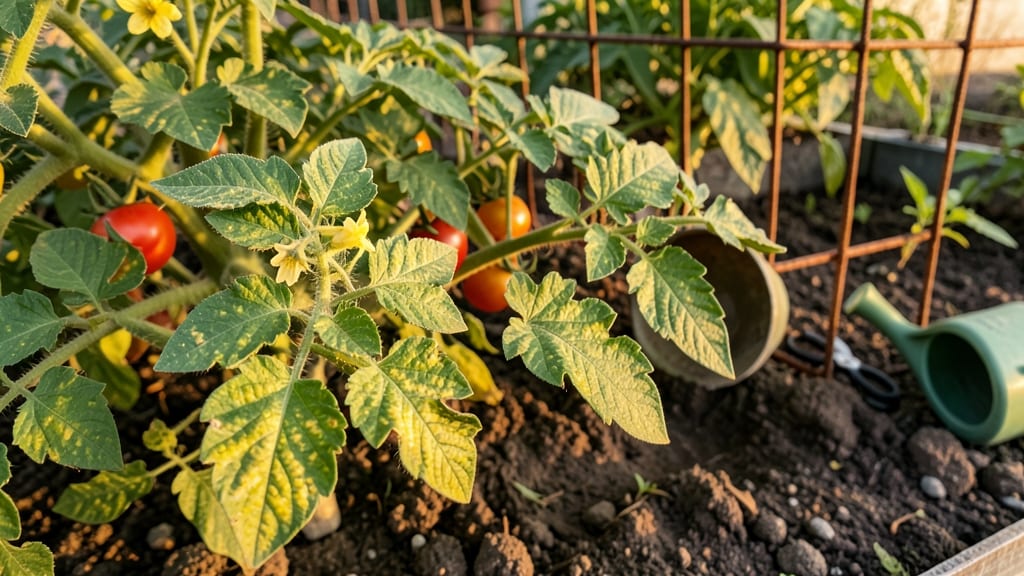
Your tomato plants look like they’ve been hit by a viral case of bad luck—crisp, yellowing leaves and stunted growth are classic signs of cucumber mosaic virus, and it’s spreading faster than weeds in a summer rain. 🌱 The good news?
You can still save your harvest with the right organic sprays and prevention tactics. I’ve battled this virus in my own garden, and these methods work when store-bought chemicals won’t.
This virus hitches a ride on aphids or infected plant debris, turning lush tomato foliage into a patchwork of discoloration and weak stems. The first step is cutting off infected plants immediately—don’t compost them, or you’ll spread the problem.
Then, focus on neem oil sprays and reflective mulch to deter aphids, the main carriers. It’s not about curing the virus—once a plant’s infected, it’s done—but stopping it from jumping to your peppers, cucumbers, and other crops.
With consistent spraying every 7-10 days and crop rotation, you’ll see fewer new cases by midsummer. Your remaining plants will grow stronger, and next season’s tomatoes will stay crisp and disease-free. The key is acting fast—this virus doesn’t wait, and neither should you.
For stubborn cases, try a garlic-chili spray (1 chopped garlic bulb + 1 tsp cayenne + 1 quart water) to repel aphids naturally. Pair it with resistant varieties like ‘Defiant PhR’ or ‘Mountain Merit’ for long-term protection. Your garden can bounce back—let’s get those leaves healthy again.
Root Causes Of Tomato Leaf Damage
When your tomato plants develop crisp, distorted leaves or stunted growth, the cucumber mosaic virus (CMV) is often the culprit. But why does this stubborn pathogen target your tomatoes in the first place?
Understanding the root causes helps you disrupt its lifecycle before it wreaks havoc on your garden. Here’s a breakdown of the key factors that invite CMV into your tomatoes—and how to address them.
Tomatoes with compromised defenses are prime targets for CMV. When plants struggle due to environmental stress or improper care, their natural resistance weakens, making them vulnerable to viral infections.
- Nutrient Deficiencies:
Tomatoes deprived of essential nutrients like nitrogen, phosphorus, or potassium become stunted and unable to mount a strong defense. CMV thrives in plants that can’t recover from stress.
Actionable fix: Conduct a soil test and amend with compost or organic fertilizers (like fish emulsion or bone meal) to boost plant resilience.
- Overcrowding:
Poor air circulation in dense tomato plantings creates a humid microclimate, ideal for aphids—the primary vector of CMV. Overcrowded plants also compete for resources, weakening individual plants.
Actionable fix: Space tomato plants 18–24 inches apart and prune lower leaves to improve airflow. Avoid planting tomatoes in the same spot year after year (crop rotation disrupts virus buildup).
- Water Stress:
Both overwatering (leading to root rot) and drought stress weaken tomatoes, making them susceptible to CMV. The virus exploits plants that can’t regulate moisture efficiently.
Actionable fix: Water deeply 1–2 times per week (depending on climate) and mulch with straw or grass clippings to retain soil moisture.
The cucumber mosaic virus doesn’t spread on its own—it hitches a ride on aphids, tiny sap-sucking insects that thrive in gardens. These pests inject the virus into plant tissues while feeding, turning your tomatoes into viral hotspots.
- Why Aphids Love Tomatoes:
Aphids are drawn to new growth and soft leaves, which tomato seedlings and young plants offer. A single aphid can transmit CMV in minutes, and colonies multiply rapidly in warm, sheltered environments.
- How to Disrupt Their Cycle:
- 🔍 Monitor plants daily: Check the undersides of leaves for clusters of aphids (they look like tiny green or black grains).
- 💦 Blast them off: Use a strong stream of water to knock aphids off plants. Repeat every 2–3 days.
- 🌿 Introduce predators: Ladybugs, lacewings, and parasitic wasps (like Aphidius colemani) naturally control aphid populations. Release them at dusk for best results.
- 🛡️ Use reflective mulch: Cover soil with aluminum foil or silver plastic mulch to disorient aphids (they hate shiny surfaces!).
CMV can linger in soil, garden tools, and even compost for years, waiting to infect new plants. If you’ve had infected tomatoes before, residual virus particles may still be present, setting up a cycle of reinfection.
- How It Spreads:
- Infected plant debris: Leaving behind CMV-infected leaves or stems in the soil allows the virus to survive and reinfect next year’s crops.
- Reused tools: Pruners, trowels, or trellises contaminated with viral particles can transfer CMV to healthy plants when moved between gardens.
- Contaminated compost: If you composted infected tomato plants, the heat may not kill CMV (unlike bacteria or fungi).
- How to Break the Cycle:
- 🔥 Remove and destroy infected plants: Pull up CMV-affected tomatoes immediately and burn or bag them (do not compost).
- ⚡ Solarize the soil: Cover infected beds with clear plastic for 4–6 weeks in hot weather to kill virus particles in the soil.
- 🧼 Sterilize tools: Clean pruners and tools with 70% isopropyl alcohol or a 10% bleach solution between uses.
- 🌱 Rotate crops: Avoid planting tomatoes (or cucurbits, which CMV also infects) in the same spot for at least 3 years.
CMV spreads most aggressively in warm, humid weather with mild winters. These conditions create the ideal environment for both aphid populations and viral replication.
- Key Climate Triggers:
- Spring warmth (60–80°F): Aphids multiply rapidly, and CMV transmission peaks when temperatures are ideal for both virus and vector.
- High humidity: Damp conditions help aphids survive and spread more efficiently between plants.
- Weak winters: In regions without freezing temps, CMV can overwinter in perennial weeds (like chickweed or ground ivy), reinfecting crops the next season.
- How to Mitigate Climate Risks:
- 🌿 Remove weed hosts: Pull weeds like chickweed, plantain, or ground ivy near your garden—they harbor CMV and aphids.
- 🌞 Use row covers: Deploy floating row covers (fine mesh) over tomato plants in early spring to block aphids before they arrive.
- 💧 Water in the morning: Reduce humidity around plants by watering early in the day, allowing foliage to dry quickly.
Quick Fixes for Blighted Tomato Plants
Cucumber mosaic virus (CMV) can turn your tomato plants into a sad, wilted mess—but don’t toss them just yet! With the right approach, you can slow its spread, revive infected plants, and protect your garden from further damage.
Below, we break down practical, organic solutions tailored to the root causes of CMV in tomatoes, from early detection to long-term prevention.
Cause: CMV spreads via aphids, contaminated tools, and even wind. Keeping infected plants in your garden lets the virus multiply and jump to healthy crops.
Fix:
- 🔥 Pull infected plants as soon as you spot symptoms (mosaic patterns, stunted growth, or curled leaves).
- 🗑️ Bag and trash them immediately—do not compost. CMV can survive in plant debris for weeks.
- 🧼 Sanitize pruners with 70% rubbing alcohol or a 10% bleach solution (1 part bleach to 9 parts water) between cuts.
- 🌿 Check nearby plants—CMV often infects multiple crops (peppers, cucumbers, squash). Inspect and remove any suspicious foliage.
💡 Pro Tip: If you’re unsure whether a plant is infected, quarantine it for 2–3 days. Watch for new symptoms before deciding to remove it.
Cause: Aphids are the #1 vector for CMV. These tiny pests feed on sap and spread the virus like wildfire.
Fix:
- 🍳 Homemade aphid spray:
- Mix 1 tsp mild liquid soap + 1 tsp neem oil + 1 quart water in a spray bottle.
- Shake well and spray under leaves (where aphids hide) every 3–4 days.
- ⏰ Best time to spray: Early morning or late evening to avoid harming beneficial insects.
- 🌿 Companion planting:
- Marigolds, nasturtiums, or basil repel aphids naturally. Plant them around your tomatoes.
- 🐞 Encourage ladybugs & lacewings—these predators love aphids. Plant dill or fennel to attract them.
- 🧻 Physical barriers:
- Use floating row covers (lightweight fabric) over young plants to block aphids entirely.
- 🔪 Knock off aphids with a strong stream of water from a hose (do this in the evening).
✨ Bonus: Reflective mulch (aluminum foil or silver plastic) confuses aphids and reduces landings by up to 50%.
Cause: Weak, nutrient-deficient plants are more susceptible to CMV. Stress from poor soil or over/under-watering invites infections.
Fix:
- 💪 Strengthen roots with compost tea:
- Brew 1 cup compost + 5 gallons water for 24–48 hours. Strain and water plants at the base (avoid leaves).
- Add 1 tbsp molasses per gallon to feed beneficial microbes.
- 🍄 Mycorrhizal fungi:
- Mix mycorrhizal powder (available at garden centers) into soil at planting. It enhances root absorption and disease resistance.
- 🥗 Balanced feeding:
- Use fish emulsion or seaweed extract (high in potassium) to harden plant cell walls, making them less hospitable to viruses.
- ⚠️ Avoid high-nitrogen fertilizers (like blood meal)—they promote leafy growth but weaken defenses.
🎯 Prevention Tip: Test your soil (pH 6.0–6.8 is ideal for tomatoes). Use a simple home kit or send a sample to a local extension office.
Cause: CMV can hitch a ride on contaminated pruners, gloves, or even your boots from one plant to another.
Fix:
- 🔪 Tool sanitation:
- Wipe blades with rubbing alcohol or bleach water after each use.
- For stubborn residue, soak tools in 1 part bleach to 3 parts water for 10 minutes, then rinse and dry.
- 🌿 Soil & bed prep:
- Solarize soil in late summer: Cover beds with clear plastic for 4–6 weeks to kill pathogens.
- Rotate crops—never plant tomatoes, peppers, or cucurbits in the same spot two years in a row.
- 👟 Clean footwear:
- Spray vinegar or alcohol on garden shoes before entering a new bed.
🔥 Hot Tip: Disinfect trellises and stakes too—CMV can linger on wooden surfaces!
Cause: CMV is persistent—once in your garden, it’s hard to eradicate completely.
Fix:
- 🌿 Buy certified disease-free seedlings from reputable nurseries.
- 🌍 Monitor local outbreaks: Check your state’s agricultural extension service for CMV alerts in your area.
- 🌱 Plant resistant varieties:
- Some tomato types (like ‘Mountain Merit’ or ‘Defiant PhR’) have tolerance to CMV.
- Cucumbers & peppers: Look for ‘CMV-resistant’ labels on seed packets.
- 🐝 Support pollinators: Bees and hoverflies help plants recover faster by promoting stronger growth.
✨ Ultimate Prevention: Grow tomatoes in containers (especially if aphids are a recurring issue). This makes it easier to quarantine and move plants if needed.
Final Reminder: While CMV has no cure, these steps can minimize damage, protect your harvest, and keep next year’s garden healthy. Stay vigilant, and your tomatoes will bounce back! 🍅💪
Frequently asked questions
Can my tomato plants recover once infected with cucumber mosaic virus?
Unfortunately, there's no cure for CMV in tomatoes. Once infected, plants won't recover, but you can save your harvest by removing infected plants immediately and protecting nearby healthy ones. Focus on aphid control and strengthening other plants' defenses with neem oil sprays and compost tea.
Will my other garden plants catch the virus if I don't remove infected tomatoes?
Yes, CMV spreads easily to other plants through aphids or contaminated tools. The virus affects peppers, cucumbers, squash, and even weeds like chickweed. Remove infected plants ASAP and quarantine nearby crops to prevent spread. Check all garden areas regularly for new symptoms.
How can I tell if my tomato plants have CMV or just nutrient deficiency?
CMV causes mosaic patterns (yellow-green patches), stunted growth, and crispy, distorted leaves—unlike nutrient deficiencies which show as uniform yellowing or browning. Test your soil if you're unsure, but CMV symptoms appear suddenly while deficiency issues develop gradually.
Are there any organic sprays that actually work against CMV?
While no spray "cures" CMV, neem oil and garlic-chili sprays help repel aphids—the main virus carriers. For prevention, use reflective mulch and companion plants like marigolds. The key is breaking the aphid cycle before they spread the virus.
Should I still harvest tomatoes from infected plants?
Yes, but only from the lower, older fruit that formed before symptoms appeared. New growth and upper fruit may contain the virus. Wear gloves when harvesting, then wash fruits thoroughly. The virus doesn't affect fruit quality, just plant health.