
Vegetables
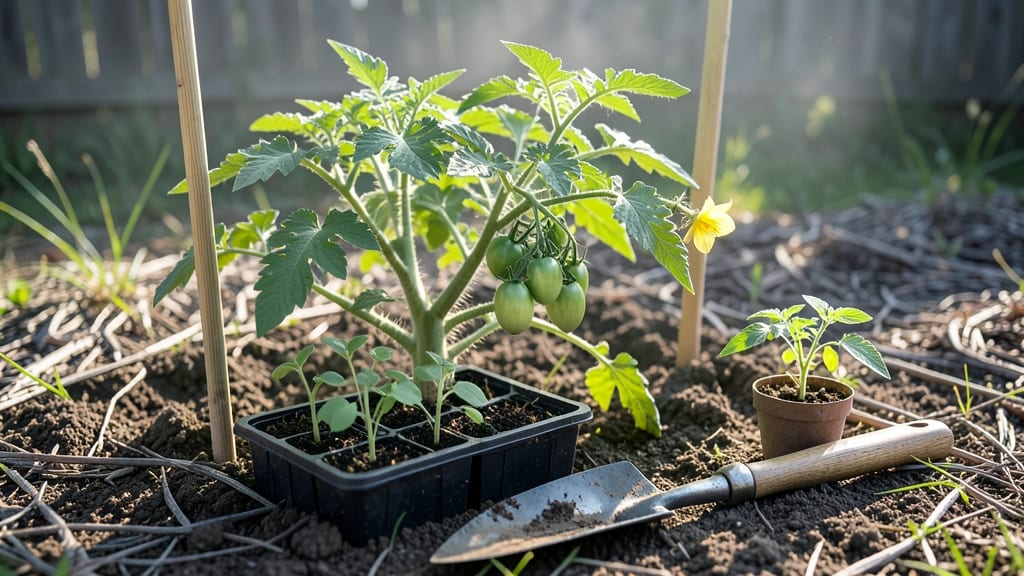
Planting tomatoes with cucumbers isn't just a space-saving trick—it's a proven duo that boosts yields and keeps pests at bay. 🌱 I learned the hard way that these two thrive when paired correctly, and now my garden produces more tomatoes and cucumbers than ever before.
The secret lies in their complementary growth habits and shared pest deterrents, turning what could be a crowded mess into a productive powerhouse.
You'll need well-draining soil rich in organic matter, at least 6 hours of sunlight daily, and a sturdy trellis system to support both plants. Tomatoes need vertical space, while cucumbers sprawl—this setup keeps them off the ground, improves air circulation, and prevents disease.
Start with healthy seedlings or seeds, and space them 18-24 inches apart to give roots room to breathe while still allowing them to interact beneficially.
By mid-summer, you'll be harvesting juicy tomatoes and crisp cucumbers from the same patch, with fewer pests and healthier plants. The cucumbers shade the tomato roots during peak heat, while tomatoes repel cucumber beetles—nature's built-in pest control.
Water consistently at the base to avoid fungal issues, and watch your harvests grow bigger and more abundant than ever.
This pairing works for containers, raised beds, or in-ground gardens—just adjust spacing slightly for smaller spaces. The key is balance: give each plant what it needs while letting them support one another. Ready to transform a corner of your garden into a high-yielding duo?
📚 In This Guide
- What you need
- Instructions
- Tips and common mistakes
- Wrapping up and next steps
What you need
- ● Seeds or seedlings: Tomato seeds/seedlings (3–5 plants, disease-resistant varieties like Cherry, Roma, or Beefsteak)
- ● Cucumber seeds/seedlings (2–3 plants, bush or vining types like Straight Eight or Lemon Cucumber)
- ● Soil: 1–2 cubic yards of well-draining, nutrient-rich compost-amended garden soil (pH 6.0–6.8)
- ● Fertilizer: Balanced organic fertilizer (e.g., 5-5-5 or 10-10-10, 5–10 lbs per 100 sq ft)
- ● Mulch: Straw or shredded leaves (2–3 inches thick) to retain moisture
- ● Garden trowel or transplanting spade
- ○ Gloves (optional but helpful!)
- ● Watering can or hose with a gentle spray nozzle
- ● Trellis or stakes (for cucumbers: 6–8 ft tall, for tomatoes: 4–6 ft cages or stakes)
- ● Pruning shears (for trimming and training vines)
- ● Companion plants: Basil or marigolds (to deter pests)
- ● Drip irrigation system (for consistent watering)
- ● Epsom salt (1 tbsp per plant monthly for magnesium boost)
- ● Row covers (to protect young plants from pests)
Step-by-step guide for planting tomatoes with cucumbers
Pairing these two plants together isn't just clever—it's a proven way to boost yields and deter pests naturally.
🌱 Step 1: Choose the Right Location and Prepare the Soil
Tomatoes and cucumbers thrive together when given 6-8 hours of full sun daily and well-draining soil with a pH between 6.0 and 7.0. I always test my soil first—these plants need nutrients but hate soggy roots. Amend the area with 2-3 inches of compost and mix in 1 cup of balanced 10-10-10 fertilizer per 4-foot section before planting. The compost improves drainage while the fertilizer gives both plants a strong start.
Here's the thing—cucumbers spread aggressively, while tomatoes grow upright. To avoid competition, I plant tomatoes in the north side of the bed (so they don't shade cucumbers) and cucumbers on the south or east side. Space tomato plants 18-24 inches apart in rows 3 feet apart, leaving 3-4 feet between cucumber rows. This gives cucumbers room to sprawl without smothering the tomatoes.
🌿 Step 2: Plant Tomatoes First, Then Add Cucumbers
Start by planting tomato seedlings (not seeds) 1-2 inches deeper than their current container—this encourages stronger root development. Burying them deeper also helps prevent soil-borne diseases from reaching the stem. I like to create a small trench, place the seedling in, and then firm the soil gently around the base while holding the stem upright. This prevents the plant from leaning as it grows.
Wait 1-2 weeks after planting tomatoes before adding cucumbers. This gives tomatoes time to establish roots and reduces competition for water. Cucumber seeds need warm soil (at least 60°F) to germinate, so I always plant them after the last frost date in your area. Sow seeds 1 inch deep and 2-3 inches apart, then thin to 12-18 inches apart once they sprout. You'll see first true leaves in 5-7 days—that's your cue to thin carefully with scissors to avoid disturbing roots.
💧 Step 3: Water and Mulch for Optimal Growth
Both tomatoes and cucumbers need consistent moisture—1-1.5 inches per week—but they hate wet foliage, which spreads diseases like early blight or powdery mildew. I water deeply at the base in the early morning to let foliage dry before evening. A drip irrigation system or soaker hose works best because it delivers water directly to the roots without wetting leaves.
Once plants are 6 inches tall, apply 2-3 inches of organic mulch (like straw or shredded leaves) around the base. Mulch keeps soil cool, retains moisture, and prevents weeds from competing for nutrients. I always leave a 2-inch gap between the mulch and plant stems to avoid rot. Watch for yellowing leaves—this usually means the soil is too wet or the plants need more phosphorus (side-dress with compost tea if needed).
✂️ Step 4: Prune and Support for Maximum Yield
Tomatoes need staking or caging as soon as they reach 12 inches tall—I use 5-6 foot bamboo stakes driven 6 inches into the ground beside each plant. Tie the main stem loosely with soft plant ties and add more as the plant grows. For indeterminate varieties, prune suckers (the small shoots between the main stem and branches) to direct energy to fruit production. Real talk: I used to skip pruning, and my tomatoes got leggy with fewer fruits.
Cucumbers, on the other hand, benefit from trellising to save space and improve air circulation. I install 4-5 foot tall trellises and train vines upward with soft garden twine. This keeps fruits off the ground, reducing rot and making harvesting easier. Pinch off the tip of the main vine once it reaches the top of the trellis to encourage bushier growth. You'll notice more flowers and fruits within 2-3 weeks of pruning.
☀️ Step 5: Monitor and Maintain Through the Season
Check plants weekly for pests like aphids or cucumber beetles—tomatoes and cucumbers attract them both. I spray affected leaves with neem oil in the evening to avoid harming bees. Yellow jackets love cucumber blossoms, so I cover blossoms with fine netting during peak wasp season. Both plants also benefit from weekly feeding with liquid fertilizer (like fish emulsion) once they start flowering.
Harvest tomatoes when they're fully colored and slightly soft to touch, and pick cucumbers when they're 6-8 inches long for the best flavor. Don't let cucumbers overripe on the vine—they turn bitter and attract pests. I harvest every 2-3 days during peak season to encourage continuous production. By the end of summer, you'll have a steady supply of fresh tomatoes and cucumbers—perfect for salads, salsas, or pickling.
Tips & tricks for perfect companion planting of tomatoes and cucumbers
These simple yet powerful strategies will help you maximize your garden's potential while avoiding common pitfalls that can ruin even the best-laid plans.
Soil pH Precision: While the ideal pH range is 6.0-7.0, I've found that tomatoes actually prefer the slightly acidic end (around 6.2-6.5) while cucumbers thrive at the neutral side (6.5-7.0). Test your soil before planting and amend with lime to raise pH or sulfur to lower it if needed. This small adjustment prevents nutrient deficiencies that can show up as yellowing leaves or stunted growth. The 2-3 inches of compost we add already helps buffer pH, but precise testing makes all the difference.
Timing Secret: The 1-2 week gap between planting tomatoes and cucumbers is non-negotiable for healthy growth. During this time, tomatoes develop a stronger root system that can compete better for nutrients once cucumbers start growing. I've learned this the hard way—planting them simultaneously often results in leggy tomatoes that struggle to support their fruit later in the season. This timing also helps cucumbers establish before the heat of summer arrives, which is especially important in regions with hot climates.
Pest Prevention Strategy: While neem oil is excellent for general pest control, I've added an extra layer of protection by planting basil or marigolds (optional) between the tomato and cucumber rows. These plants naturally repel pests like aphids and cucumber beetles while attracting beneficial insects. The key is to plant them after both tomatoes and cucumbers have established, around the 2-3 week mark when you're also starting to see pest activity. This creates a living barrier that reduces the need for chemical interventions while keeping your plants healthy.
Harvesting Hack: For continuous production, I've developed a simple system: harvest cucumbers first thing in the morning when they're firm and cool, then again in the afternoon if you're seeing rapid growth. Tomatoes should be picked when they're fully colored but still firm to the touch—this prevents cracking and ensures maximum flavor. The 2-3 day harvesting schedule might seem frequent, but it's what encourages both plants to keep producing rather than putting all their energy into a few overripe fruits. I've found that consistent harvesting extends the season by several weeks.
Pro Tips for Planting Tomatoes With Cucumbers
- These simple yet powerful strategies will help you maximize your garden's potential while avoiding common pitfalls that can ruin even the best-laid plans.
- Soil pH Precision: While the ideal pH range is 6.0-7.0, I've found that tomatoes actually prefer the slightly acidic end (around 6.2-6.5) while cucumbers thrive at the neutral side (6.5-7.0).
- Timing Secret: The 1-2 week gap between planting tomatoes and cucumbers is non-negotiable for healthy growth.
Frequently asked questions
Got questions about growing tomatoes and cucumbers together?
You’re not alone—this dynamic duo is a gardener’s favorite, but it comes with its own quirks. Below, we’ve tackled the most common curiosities to help you plant with confidence and avoid pitfalls.
Can tomatoes and cucumbers share the same pot or garden bed?
Both are companion plants, meaning they benefit from each other’s presence. Tomatoes act as natural trellises for cucumbers (saving space), while cucumbers deter pests like aphids that might target tomatoes. Just ensure they have 6+ inches of soil depth and plenty of sunlight (6–8 hours daily). For containers, opt for a 5-gallon pot or larger to accommodate their sprawling roots.
What’s the best time to plant tomatoes and cucumbers together?
Timing is key! Plant tomatoes first (2–3 weeks before cucumbers) so they establish a sturdy stem for vining cucumbers to climb. In warm climates, sow seeds in early spring (after the last frost). In cooler regions, wait until soil temps reach 60°F+—both plants are frost-sensitive. Pro tip: Use black plastic mulch to warm the soil faster.
Will planting tomatoes with cucumbers attract more pests?
Not necessarily! In fact, they often repel pests when paired correctly. However, watch for hornworms (they love both) and cucumber beetles. Handpick pests early, or introduce beneficial insects like ladybugs. If aphids appear, spray with neem oil. Rotate crops yearly to break pest cycles.
What if I don’t have space for a trellis—can I grow them side by side?
Yes! If trellising isn’t an option, plant bush cucumber varieties (like ‘Bush Champion’) near determinate (bush) tomatoes (e.g., ‘Roma’ or ‘Celebrity’). Keep rows 18–24 inches apart to prevent shading. Mulch heavily to retain moisture and suppress weeds. Just monitor for disease spread (like blight)—prune lower tomato leaves to improve airflow.
Do tomatoes and cucumbers compete for nutrients?
They can, but it’s easy to prevent! Both are heavy feeders, so enrich soil with compost or a balanced fertilizer (10-10-10) before planting. Add a layer of worm castings mid-season for a nutrient boost. Water at the base of plants (not leaves) to avoid fungal issues. If growth slows, a liquid seaweed fertilizer works wonders.
What if my cucumbers start wilting—is it the tomatoes?
Wilting cucumbers near tomatoes often signal overcrowding or disease, not competition. Check for:
- Underwatering (cucumbers need 1–2 inches of water weekly).
- Powdery mildew (white fuzzy spots)—spray with baking soda solution (1 tsp per quart of water).
- Root-bound pots (if container-grown).
Wrapping up and next steps
Planting tomatoes with cucumbers isn’t just a gardening hack—it’s a win-win for both plants! 🌱 This dynamic duo thrives together, repelling pests, maximizing space, and boosting yields. Whether you’re a seasoned gardener or just starting, their companionship makes growing easier and more rewarding.
Ready to grow your own? Start small—try a container or a dedicated garden bed—and watch your harvest flourish. Happy planting! 🌿