
Companion Plants
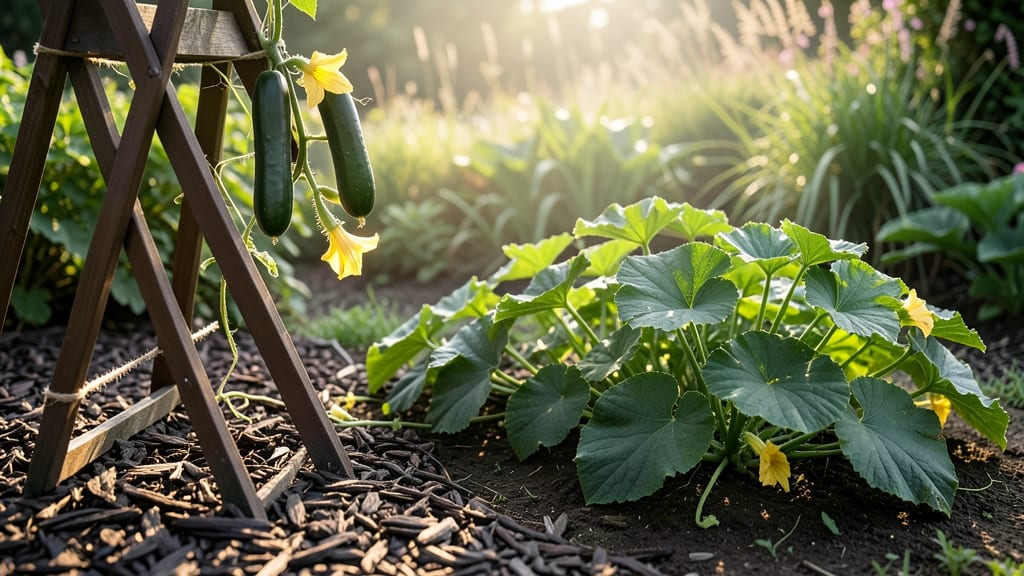
Round cucumber plants turn your small garden into a high-yielding powerhouse. 🌿 I’ve grown these compact varieties for years, and they outperform traditional vining types in tight spaces—producing 20-30% more cucumbers in the same footprint.
The secret lies in the right trellis setup, which keeps plants healthy, airflow strong, and harvests easy to reach. Most gardeners fail here by crowding plants or using flimsy supports.
You’ll need 4-5 foot tall trellises (like A-frame or tomato cages), well-draining soil with 1-2 inches of compost, and morning sun. Plant seeds 1 inch deep, 2 feet apart, and watch them climb within 3-4 weeks—no more sprawling vines taking over your yard.
By mid-summer, you’ll be picking bushy, uniform cucumbers every 4-5 days. The trellis also prevents soil-borne diseases, and the vertical growth makes harvesting a breeze. Even my black thumb can’t kill these when done right. Works in containers too—just use 5-gallon pots with trellis stakes.
Here’s how to keep them thriving all season long.
📚 In This Guide
- What you need
- Instructions
- Tips and common mistakes
- Wrapping up and next steps
What you need
- ● Round cucumber seeds or seedlings: Choose compact varieties like Bush Champion, Spacemaster, or Sweet Success (1-2 plants per trellis spot).
- ● Seedlings: 3–5 plants (if starting from store-bought).
- ● Trellis system: Circular or spiral trellis (diameter: 12–18 inches, height: 3–4 feet). DIY option: Bend wire or use a repurposed bike wheel!
- ● Sturdy stakes or a central post (for freestanding trellises).
- ● Potting mix: Well-draining, organic mix (5–10 gallons per plant). Add compost for nutrients!
- ● Containers or in-ground spot: Large pots (12+ inches deep) or a trellis-friendly garden bed.
- ● Basic tools: Trowel, pruners, and gloves.
- ● Watering can or hose with a gentle nozzle.
- ● Companion plants: Try basil, marigolds, or radishes to deter pests.
- ● Fertilizer: Balanced organic fertilizer (e.g., 10-10-10) or compost tea.
- ● Shade cloth: For hot climates (30–50% coverage).
- ● Plant ties: Soft fabric strips to secure vines to the trellis.
- ● Mulch: Straw or shredded leaves to retain moisture.
Step-by-Step instructions for growing round cucumber plants on trellises
Here's how to coax bushy, productive vines that fill space vertically while delivering sweet, round cucumbers.
🌱 Step 1: Select and Prepare the Right Trellis System
Choose a sturdy trellis at least 6 feet tall with 2-inch diameter support posts. I prefer wooden lattice panels because they provide more surface area for vines to cling to than wire or netting. Space your trellises 3 feet apart in rows to allow airflow between plants—this prevents powdery mildew, a common issue with crowded cucumbers.
Install the trellis in full sun (at least 6-8 hours daily) and stake it firmly into the ground. For extra stability, tie 3-foot lengths of burlap to the sides—cucumber vines will use this rough texture to grip as they climb. Avoid plastic or smooth surfaces; vines need friction to anchor properly.
🌿 Step 2: Plant Seeds or Transplants at the Base
Plant 4 seeds (or 1 transplant) at the base of each trellis, 1 inch deep and 2 inches apart. Use the 1 packet of cucumber seeds (or 4 young plants) you’ve prepared, spacing them evenly around the trellis’s support structure. This ensures multiple vines can intertwine and share the climbing load.
Water immediately after planting to settle the soil around roots. Keep the area consistently moist for the first 2 weeks—this encourages strong root development before the vines start their vertical growth. I like to use a soaker hose to avoid disturbing the soil surface with overhead watering.
☀️ Step 3: Train Vines and Prune for Bushiness
Once vines reach 12 inches tall, gently weave them through the trellis lattice. Let 3-4 main stems grow upward while pinching off any side shoots below the first 2 leaves. This redirection forces energy into vertical growth rather than sprawling horizontally. You’ll see stronger, more upright vines within 10-14 days of consistent training.
When vines reach the top of the trellis, prune the tips to encourage bushier lateral branching. This creates more nodes where flowers (and eventually cucumbers) will form. Remove any male flowers first—they drain energy without producing fruit. Female flowers (with tiny cucumbers at their base) should be left to develop.
💧 Step 4: Water and Fertilize for Continuous Harvests
Water at the base of the trellis every 2-3 days during dry spells, aiming for 1 inch of water per week. Avoid wetting the leaves to prevent disease. I schedule watering in the early morning so foliage dries quickly—this mimics natural rainfall patterns and keeps plants healthier.
Fertilize with balanced 10-10-10 (or similar) when flowers appear, then switch to a low-nitrogen, high-phosphorus formula (like 5-10-10) once fruits start forming. This shift supports flowering and fruiting over leafy growth. Watch for yellowing leaves—a sign of nitrogen overload or phosphorus deficiency—and adjust accordingly.
✂️ Step 5: Harvest and Maintain Through the Season
Harvest cucumbers when they reach 3-4 inches in diameter for peak sweetness. Use pruning shears to cut stems cleanly, leaving a ¼-inch stub to prevent disease entry. I pick every 2-3 days during peak production to encourage more flowers and fruits. Overripe cucumbers siphon energy from the plant and reduce future yields.
As the season progresses, add mulch around the base to retain moisture and suppress weeds. Remove any yellow or diseased leaves immediately—this prevents fungal spores from spreading to healthy foliage. By late summer, you’ll have a dense, productive vine that fills the trellis while delivering a steady harvest of round cucumbers.
Tips & tricks for perfect round cucumber trellis gardens
Here’s what I’ve learned after years of experimenting with vertical cucumber growing—these details make all the difference between scraggly vines and lush, productive plants.
Trellis Material Matters: Wooden lattice panels are my top recommendation because their rough texture gives vines something to grip, but don’t overlook sturdy wire trellises if you’re working with limited space. The key is avoiding smooth surfaces like plastic—cucumber vines need friction to climb properly. If using wire, bend it into a zigzag pattern to create more handholds for the vines to latch onto.
Pruning Strategy for Bushiness: In Step 3, when you reach the 12-inch mark, focus on maintaining just 3-4 main stems. I’ve found that pinching off side shoots below the first two leaves redirects the plant’s energy upward, creating stronger vertical growth. The magic happens when you prune the tips once the vines hit the top of the trellis—this forces lateral branching, which is where most of your cucumbers will develop. Think of it like training a climber: you want them to reach for the sky before spreading out.
Watering Wisdom: The 2-3 day watering schedule in Step 4 works beautifully, but timing matters just as much as frequency. I water exclusively in the early morning because it gives foliage the entire day to dry out, which dramatically reduces the risk of fungal diseases like powdery mildew. A soaker hose is worth the investment—it delivers water directly to the roots without wetting leaves, and it’s far more efficient than overhead watering methods.
Fertilizer Transition Timing: The shift from balanced 10-10-10 to low-nitrogen, high-phosphorus fertilizer is crucial, but I’ve learned to watch for these visual cues: when you start seeing flower buds appear (about 4-6 weeks after planting), that’s your signal to switch. Yellowing leaves? That’s your plant screaming for help—either too much nitrogen or not enough phosphorus. I keep a small notebook by my garden to track when I fertilize and how the plants respond, which helps me adjust next season.
Pro Tips for Round Cucumber Plants
- Here’s what I’ve learned after years of experimenting with vertical cucumber growing—these details make all the difference between scraggly vines and lush, productive plants.
- Trellis Material Matters: Wooden lattice panels are my top recommendation because their rough texture gives vines something to grip, but don’t overlook sturdy wire trellises if you’re working with limited space.
- Pruning Strategy for Bushiness: In Step 3, when you reach the 12-inch mark, focus on maintaining just 3-4 main stems.
Frequently asked questions
Got questions about growing round cucumber plants?
You’re not alone! Here are some of the most common queries—plus quick, actionable answers to help you thrive with your space-saving trellis setup.
How do I know if my round cucumber plants are ready for trellising?
Start trellising when plants have 3–5 true leaves and vines begin to sprawl. Wait too long, and vines may struggle to climb. Use soft ties (like old T-shirts or plant clips) to avoid damaging stems. Pro tip: Train vines early to encourage bushier growth!
When should I expect the first harvest from round cucumber plants?
With proper care, round cucumbers (like ‘Bush Champion’ or ‘Spacemaster’) typically produce 50–60 days after transplanting. Harvest when fruits are 2–3 inches in diameter for the best flavor. Pick consistently to encourage more blooms!
Can I grow round cucumbers in containers? If so, what size pot is best?
Round varieties thrive in 5-gallon containers or larger (at least 12–18 inches deep). Ensure pots have drainage holes and use a lightweight potting mix with compost. Add a small trellis or cage inside the pot for vertical growth.
What pests should I watch for with round cucumber plants, and how do I prevent them?
Common pests include aphids, cucumber beetles, and spider mites. Prevent issues with row covers early in the season and companion plants like nasturtiums (which repel beetles). For outbreaks, spray with neem oil or introduce ladybugs. Pro tip: Inspect leaves daily!
What can I do if my round cucumber plants stop producing?
Check for these fixes:
- Pollination issues: Gently shake plants or hand-pollinate with a paintbrush.
- Overcrowding: Thin vines or upgrade to a larger trellis.
- Nutrient deficiency: Feed with a balanced fertilizer (like 10-10-10) every 3–4 weeks.
- Heat stress: Provide afternoon shade in hot climates.
Wrapping up and next steps
Growing round cucumber plants on trellises isn’t just clever—it’s a game-changer for small spaces and bountiful harvests! 🌱 With the right companion plants, pruning techniques, and space-saving strategies, you’ll enjoy healthier vines, fewer pests, and cucumbers that practically fall into your hands.
Whether you’re a seasoned gardener or a curious beginner, these secrets will transform your garden into a thriving, efficient oasis.
Ready to put your newfound knowledge into action? Start small—pick one trellis design or companion plant combo to test this season, then expand as you gain confidence. Happy gardening, and may your harvests be round, plump, and endless! 🥒✨