
Planting
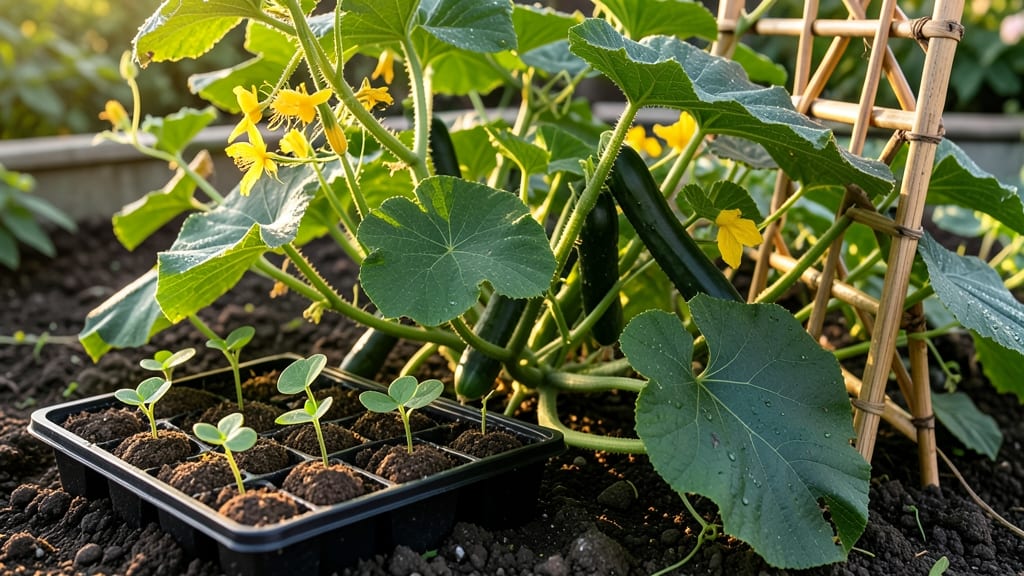
The best time to plant cucumbers is after your last frost, when soil temperatures hit at least 60°F—any earlier, and frost will kill tender seedlings before they even sprout.
Want juicy, vine-ripping cucumbers straight from your garden? Timing is everything—plant too early, and frost zaps your crop; too late, and the heat stunts growth. Here’s how to pinpoint the perfect window for your USDA zone, backed by heat tolerance science and real gardener success stories.
Cucumbers 🥒 thrive in warm soil, which means waiting for the right conditions isn’t just about dates—it’s about soil temperature. In cooler zones like 6a, that could mean late April or early May, while warmer climates might start as early as March.
Get it wrong, and you’ll end up with bitter, stunted plants—or worse, no harvest at all.
Below, I’ll break down the exact planting windows by zone, share proven strategies to extend your growing season, and reveal how to adjust timing for slicing vs. pickling varieties. By the end, you’ll know exactly when to put those seeds in the ground for a bumper crop.

USDA zone heat tolerance chart: when to plant cucumbers for maximum yield
Cucumbers are heat-loving plants that thrive when soil temperatures stay between 60°F and 90°F. Planting too early risks frost damage, while waiting too long can lead to bolted plants that produce bitter fruit.
Your USDA zone determines the perfect window—let’s break it down by region to maximize your harvest.
In cooler zones (3–5), cucumbers need row covers or black plastic mulch to warm the soil. Warmer zones (7–11) can plant later but must manage heat stress with shade cloth.
The key is aligning your planting with soil temperature, not just air temperature—cucumbers won’t germinate well below 60°F.
Below is a side-by-side comparison of early vs. late planting trade-offs, including disease risk, vine maturity, and yield potential by zone. Use this to decide whether to prioritize an early harvest or extend the season into fall.
❌ Frost risk
❌ Slower vine growth
❌ Shorter season
❌ Heat stress late
❌ Powdery mildew risk
✅ Higher yield
❌ Smaller fruit
❌ Bolting risk
❌ Heat stress
✅ Succession plant
❌ Lower yield
❌ Shorter harvest
For slicing cucumbers (e.g., 'Marketmore' or 'Straight Eight'), aim for warmer soil (70–90°F) to prevent bitterness. These varieties handle heat better but struggle in cool, damp conditions. Pickling cucumbers (e.g., 'Boston Pickling' or 'National Pickling'), however, tolerate cooler soil (60–70°F) and are less prone to bolting.
In zones 3–5, I recommend using cold frames or row covers to extend the season. Start seeds indoors 4–6 weeks before your last frost date, then transplant when soil hits 60°F.
In zones 9–11, plant shade cloth over vines in peak summer to prevent heat scorch and flower drop.
Pro tip: Use a soil thermometer to confirm readiness—cucumbers won’t germinate below 60°F, even if air temps are warm. If your soil is too cold, try black plastic mulch or straw bales to raise temperatures by 5–10°F.
Disease risk varies by planting time. Early plantings in zones 6–8 often face powdery mildew due to morning dew, while late plantings in zones 9–11 may suffer from cucumber beetles. To mitigate this, rotate crops annually and use neem oil as a preventative spray.
For maximum yield, align your planting with peak heat tolerance. In zones 3–5, focus on early-maturing varieties like 'Northern Pickling' (50 days to harvest). In zones 7–11, opt for heat-tolerant types like 'Straight Eight' or 'Suyo Long' (70+ days to harvest).
Remember: Cucumbers are warm-season crops—they won’t survive frost. Always check your local frost dates and plant 2–3 weeks after the last expected frost. In warmer climates, you can even plant a fall crop for a second harvest before winter sets in.
5 Proven strategies to extend cucumber growing season in hot or cold climates
Cucumbers thrive in warm soil but struggle with extreme heat or late frosts. The key to a longer harvest is adapting your approach to your USDA zone and climate challenges.
In cold climates (zones 3-5), I use row covers to jumpstart growth, while in hot zones (7-11), shade cloth keeps plants productive. Let’s explore five battle-tested tactics to beat the weather and enjoy cucumbers for months.
First, cold-hardy varieties like 'Northern Pickling' tolerate cooler soils (55–65°F), while 'Straight Eight' shines in heat waves (80°F+). Pairing the right variety with the right strategy is half the battle.
For example, in zone 4, I plant 'Northern Pickling' under floating row covers in late April, while in zone 9, I opt for 'Straight Eight' with 30% shade cloth to prevent bolting.
Row covers are my secret weapon for early starts. In zones 3-5, I cover seeds with lightweight fabric 2–3 weeks before the last frost. This traps heat, speeds germination, and protects tender seedlings. Remove covers when plants reach 6 inches tall to avoid overheating. For succession planting, I make a second set of covers ready for mid-July sowings to extend the season into early fall.
In hot climates, shade cloth is a game-changer. I use 30-50% shade during peak summer (June–August) to keep soil temps below 90°F. Without shade, cucumbers bolt prematurely, producing bitter fruit.
Pair shade cloth with drip irrigation to maintain even moisture—hand watering can unevenly cool plants. For container growers, I move pots to partial shade by midday to prevent stress.
Succession planting ensures a steady supply. In zones 6-8, I sow seeds every 2 weeks from May through July. Space plants 12–24 inches apart (depending on variety) and use trellises to save space. For fall harvests, I plant heat-tolerant varieties like 'Lemon Cucumber' in early August, knowing they’ll mature before frost. Always check your frost-free dates and count backward from the first frost to plan.
Here’s where many gardeners trip up—let’s avoid these common mistakes that shrink your harvest:
⚠️ 5 Mistakes That Kill Cucumber Yields
- 1. Planting too close to winter crops: Cucumbers deplete soil nitrogen. Avoid planting near beans, peas, or tomatoes from the prior year—rotate crops or amend soil with compost.
- 2. Ignoring soil temperature: Seeds won’t germinate below 60°F. Use a soil thermometer and warm soil with black plastic mulch if needed.
- 3. Overcrowding seedlings: Thin to 12–24 inches apart (check variety tags). Crowded plants spread powdery mildew and yield smaller fruit.
- 4. Skipping trellises in hot zones: Vines sprawling on hot soil attract pests and rot. Use trellises or cages to elevate fruit and improve airflow.
- 5. Letting cucumbers overripe: Overripe fruit stresses the plant. Harvest every 2–3 days and pick yellowing leaves to redirect energy to new growth.
Finally, mulch is your unsung hero. I use straw or grass clippings to retain moisture, suppress weeds, and regulate soil temp. In desert climates, I add 2–3 inches of mulch to prevent soil from heating above 95°F.
For cool climates, a dark mulch like shredded leaves warms the soil faster. Pair mulch with drip irrigation for the ultimate setup.
With these strategies, I’ve extended my cucumber season by 6–8 weeks in both hot and cold climates. Start with one tactic that fits your zone, then layer in others as you gain confidence. Happy growing—your taste buds (and pickling jars!) will thank you. 🌱