
Container Gardens
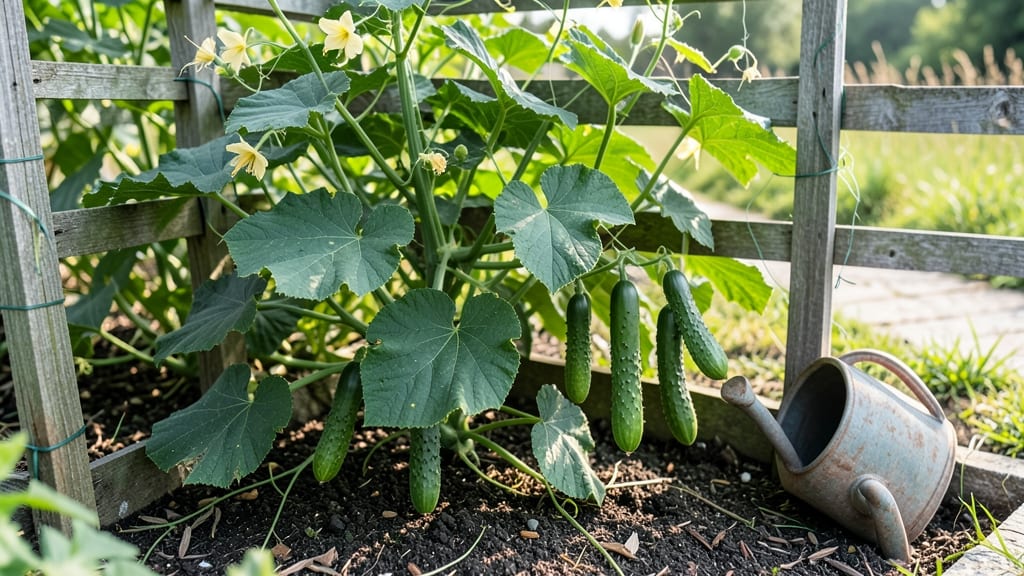
Pickling cucumbers need containers to thrive—and I’ve grown more crunchy harvests in 5-gallon pots than in my backyard beds. 🌱 The secret? Choosing the right variety (like 'Boston Pickling' or 'National Pickling') and mimicking their natural growing conditions in compact spaces.
These cucumbers aren’t just for jars; they’re quick, prolific, and perfect when you’re short on yard but long on ambition.
Start with well-draining soil mixed with compost, and plant seeds ½-inch deep after the last frost. Containers need at least 12 inches of depth—shallower pots stunt roots, and you’ll miss out on that sweet, bumpy harvest.
Water consistently (never soggy soil) and fertilize lightly with a balanced feed every 2 weeks. Trellising isn’t mandatory, but vining varieties like 'National Pickling' reward vertical support with straighter, cleaner fruit.
By midsummer, you’ll be harvesting small, crisp cucumbers every 3–5 days—ideal for pickling. The key is picking young: let them grow past 2 inches, and they’ll turn bitter or seedy.
Prune suckers (those little shoots between stems) to focus energy on fruit production. With the right setup, my containers yield enough for 20+ jars—and that’s just one season.
Works for balconies, patios, or even sunny windowsills (with grow lights). The only real mistake? Waiting too long to harvest. Start small, scale up, and soon you’ll have jars lined up like tiny green treasures. Let’s get those seeds in the soil!
📚 In This Guide
- What you need
- Instructions
- Tips and common mistakes
- Wrapping up and next steps
What you need
- ● Pickling cucumber seeds (varieties like Boston Pickling, National Pickling, or Northern Pickling—choose heirloom or hybrid based on preference). Quantity: 3–5 seeds per container (or 1–2 seeds per plant if transplanting seedlings).
- ● Seed packet: 1–2 packets (enough for 1–2 containers or small garden beds).
- ● Containers with drainage holes: Size: At least 5 gallons per plant (bigger is better for bush varieties).
- ● Material: Plastic, fabric grow bags, or wood (avoid untreated wood without lining).
- ● Quantity: 1–3 containers (depending on space and yield goals).
- ● High-quality potting mix: Type: Well-draining, fertile mix (avoid garden soil—it compacts in containers!).
- ● Quantity: 1–2 bags (5–10 cubic feet) per container.
- ○ Optional boost: Mix in compost or worm castings (1 part compost to 3 parts soil).
- ● Slow-release fertilizer (14-14-14 or organic options like fish emulsion or bone meal). Quantity: 1–2 tbsp per container at planting.
- ○ Watering can or hose with gentle spray nozzle (drip irrigation is ideal but optional).
- ● Trellis or cage (for vining varieties like Boston Pickling): Height: 4–6 feet tall.
- ● Material: Metal, bamboo, or sturdy plastic.
- ● Pruning shears (for trimming excess vines or yellow leaves).
- ● Garden gloves (to protect hands from prickly vines).
- ● pH test kit (ideal soil pH: 6.0–6.8).
- ● Mulch (straw or shredded leaves to retain moisture and suppress weeds).
- ● Harvest basket or scissors (for clean cuts—avoid tearing vines!).
- ● Shade cloth (if growing in hot climates to prevent bolting).
Step-by-step instructions for growing pickling cucumbers in containers
Here’s how to grow crisp, vine-ripened pickling cucumbers—even in limited space—using proven container techniques.
🌱 Step 1: Select the Right Variety and Container Setup
Pickling cucumbers need compact, bushy varieties like ‘Boston Pickling’ or ‘National Pickling’ to thrive in containers. These stay 3-4 feet tall and produce small, bumpy fruits perfect for pickling. Choose a pot at least 12 inches deep with 5-gallon capacity—deeper roots mean fewer missed harvests.
Place your container in a spot that gets 6-8 hours of full sun daily. Morning sun with afternoon shade works best in hot climates to prevent sunscald on tender fruits. If you’re using a balcony or patio, position it where vines can trail over the edge—this not only saves space but also makes harvesting easier.
🪴 Step 2: Prepare Soil and Plant Seeds or Transplants
Fill the container with a mix of 50% high-quality potting soil and 50% compost—this ensures drainage while feeding roots. Avoid garden soil; it compacts in pots and suffocates roots. Add a slow-release fertilizer (like 10-10-10) at planting time for steady growth.
If starting from seed, plant 2-3 seeds per container, about 1 inch deep. Thin to the strongest seedling once first true leaves appear—usually within 7-10 days. For transplants, bury them just below the soil line to encourage new root growth. Water gently after planting to settle the soil around roots.
☀️ Step 3: Provide Support and Consistent Care
Install a 5-foot tomato cage or trellis in the container to support vines. Cucumbers climb naturally, and this prevents sprawling, which can lead to disease. Prune side shoots that form at leaf junctions to direct energy into fruit production—this keeps plants manageable and improves airflow.
Water deeply 2-3 times per week, aiming for 1-2 inches of moisture per week. Let the top inch of soil dry out between waterings to prevent root rot, but never let the soil dry completely—wilting cucumbers rarely recover. Mulch with 2 inches of straw to retain moisture and suppress weeds, which is especially important in containers where soil dries faster.
✂️ Step 4: Harvest for Peak Crunch and Prevent Overcrowding
Harvest cucumbers when they’re 2-3 inches long—this ensures maximum crispness and flavor. Use pruning shears or a sharp knife to cut stems cleanly, leaving a small portion attached to the vine. Check plants every 2-3 days; missed cucumbers grow bitter and tough. Regular harvesting encourages more fruit production.
Watch for signs of overcrowding: if cucumbers start touching each other, they’ll develop mildew. Thin fruits to 1-2 per cluster, removing smaller or damaged ones first. This also prevents sunscald on shaded fruits. Stop harvesting 2 weeks before your first frost—cucumbers won’t ripen after frost, and cold snaps stress plants.
🌿 Step 5: Extend the Season with Simple Tricks
To keep producing through summer’s end, side-dress with compost or balanced fertilizer every 4-6 weeks. This replenishes nutrients and boosts late-season growth. If your climate allows, use a frost cloth on chilly nights to protect plants until the first hard frost.
Container-grown cucumbers often finish their season early, so plan to succession plant every 2 weeks if you want a continuous harvest. Remove spent plants and replace them with new seedlings—this keeps your container productive until frost. Save seeds from your best cucumbers for next year by letting a few fruits fully mature on the vine.
Tips & tricks for perfect container-grown pickling cucumbers
These container gardening secrets will help you avoid common pitfalls and maximize your harvest of crisp, flavorful pickling cucumbers.
Variety Selection: While 'Boston Pickling' and 'National Pickling' are excellent choices, consider 'Northern Pickling' if you live in cooler climates—it handles shorter growing seasons better. The key is selecting varieties specifically bred for container culture, as they've been developed to handle the unique stress of pot-grown conditions. Always check seed packets for "container-friendly" labels to avoid disappointment.
Sunlight Strategy: The 6-8 hours of full sun requirement is non-negotiable, but here's the trick: if your space only gets partial sun, position your container to capture the strongest sunlight available. South-facing windows or balconies work best in the Northern Hemisphere. You can supplement with a small grow light for 2-3 hours daily if needed, especially during cloudy periods. Morning sun is particularly valuable as it helps prevent sunscald on tender cucumber fruits.
Soil Science: That 50/50 potting soil to compost mix is perfect, but here's what nobody tells you—add a handful of perlite or vermiculite to improve aeration. Container soil compacts quickly, and this prevents root suffocation. I also recommend adding a cup of worm castings at planting time for an extra nutrient boost. The worm castings won't burn roots like synthetic fertilizers and provide beneficial microbes that help plants absorb nutrients more efficiently.
Harvest Timing: Those 2-3 inches might seem small, but harvesting at this size is absolutely critical for pickling quality. Let cucumbers grow any larger, and they'll develop seedy centers and tough skins that make them unsuitable for pickling. I check my plants every morning after sunrise when cucumbers are crispest. Use clean pruning shears to avoid damaging the main vine, and always leave a small stem attached—this helps prevent disease entry points.
Pro Tips for Growing Pickling Cucumbers
- These container gardening secrets will help you avoid common pitfalls and maximize your harvest of crisp, flavorful pickling cucumbers.
- Variety Selection: While 'Boston Pickling' and 'National Pickling' are excellent choices, consider 'Northern Pickling' if you live in cooler climates—it handles shorter growing seasons better.
- Sunlight Strategy: The 6-8 hours of full sun requirement is non-negotiable, but here's the trick: if your space only gets partial sun, position your container to capture the strongest sunlight available.
Frequently asked questions
Got questions about growing pickling cucumbers? You’re not alone! Here are some of the most common concerns—plus quick, actionable answers to keep your container garden thriving.
How long does it take for pickling cucumbers to mature?
Most pickling cucumber varieties, like Boston Pickling or National Pickling, take 50–65 days from seed to harvest. If starting with transplants, expect 3–4 weeks to first pick. Check seed packets for exact days-to-maturity—this ensures you time your harvest for peak crunch!
Why are my pickling cucumbers bitter or yellowing?
Bitterness often stems from overmaturity—pick cucumbers when they’re 3–4 inches long and firm. Yellowing leaves? Check for underwatering, poor drainage, or pests (like cucumber beetles). Boost nitrogen with compost tea or a balanced fertilizer, and ensure containers have drainage holes to prevent root rot.
Can I grow pickling cucumbers in small containers?
Opt for 5-gallon containers or larger (minimum 12–18 inches deep) to support vining varieties. Use bush-type pickling cucumbers (like Little Leaf) for tighter spaces. Add trellises to save space and improve air circulation—just avoid overcrowding to prevent disease.
How often should I harvest pickling cucumbers?
Harvest every 2–3 days to encourage continuous production. Use sharp scissors or pruners to avoid damaging vines, and pick in the morning when cucumbers are cool and crisp. Regular harvesting also reduces the risk of cucumbers becoming seedy or bitter.
What can I do with excess pickling cucumbers?
No need to waste! Turn extras into fermented pickles, cucumber relish, or fresh salads. Freeze them in brine for later use, or share with neighbors—pickling cucumbers are a crowd-pleaser. If all else fails, compost the vines (pest-free!) to enrich your soil for next season.
Wrapping up and next steps
Growing pickling cucumbers in containers is a rewarding and space-efficient way to enjoy fresh, crunchy harvests all season long! Whether you’re a beginner or a seasoned gardener, these compact varieties prove that big flavor doesn’t require big space.
Now that you’re equipped with the right varieties, tips, and troubleshooting tricks, it’s time to roll up your sleeves and get planting!
Ready to dive in? Start by preparing your containers this weekend—your future jars of tangy pickles are waiting! 🥒✨