
Container Gardens
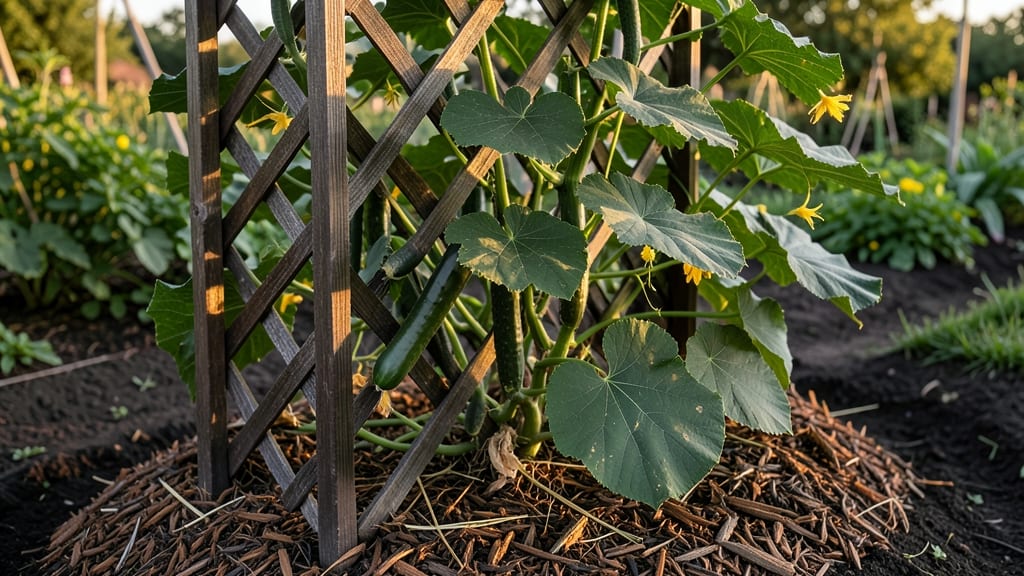
Mastering the cucumber growing conditions in containers turns even tiny balconies into a thriving mini-farm—just ask my fire-escape vines. 🌱 in the garden. The trick starts with warm soil (70°F+) and full sun (6+ hours daily), but cucumbers hate cold feet.
A black container warms up faster than red or white, and a 5-gallon minimum prevents root-bound stress. Humidity matters too—dry air means bitter fruit, so mulch the soil and water consistently. By mid-summer, you’ll be harvesting crisp, sweet cucumbers—2-3 plants can feed a family for weeks.
The key? Prune aggressively to focus energy on fruit, not vines. (Yes, it’s weird, but trust me.) Works for balconies, patios, or even a sunny windowsill. Here’s how to set it up without the guesswork.
📚 In This Guide
- What you need
- Instructions
- Tips and common mistakes
- Wrapping up and next steps
What you need
- ● Container: 5-gallon bucket or larger (minimum 12–18 inches deep for vining varieties). Example: Fabric grow bags, plastic pots, or wooden barrels.
- ● Potting Mix: 10–12 lbs of well-draining, organic mix (avoid garden soil—it compacts!). Tip: Add 1 part perlite or vermiculite per 3 parts mix for aeration.
- ● Cucumber Seeds or Seedlings: Seeds: 3–5 per container (cool-season varieties like 'Corinto' or 'Straight Eight' thrive in containers).
- ● Seedlings: 1–2 per container (transplant after last frost).
- ● Fertilizer: Balanced 5-10-5 or 10-10-10 granular fertilizer (follow package rates) or liquid seaweed extract for organic growth.
- ● Trellis or Cage: 5–6 feet tall (e.g., tomato cages, A-frame trellis, or netting) to support vining varieties and improve air circulation.
- ● Watering Can or Hose: With a gentle spray nozzle to avoid disturbing soil.
- ○ Mulch (Optional but Recommended): Straw or shredded leaves (1–2 inches thick) to retain moisture and regulate soil temp.
- ● Hand Trowel: For planting and soil adjustments.
- ● Pruning Shears: To trim excess vines or yellow leaves.
- ● pH Test Kit: Aim for 6.0–6.8 (adjust with lime or sulfur if needed).
- ● Shade Cloth (30–50% coverage): For hot afternoons in warmer climates.
- ● Compost or Worm Castings: 1 cup per container to boost nutrients.
- ● Insect Netting: To protect from pests like cucumber beetles.
Step-by-step guide to perfect cucumber growing conditions
Here’s how to create the ideal environment for cool-season cucumbers—whether you’re container gardening or adapting your space for optimal growth.
☀️ Step 1: Secure Full Sun Exposure
Cucumbers demand 6-8 hours of direct sunlight daily—no compromise. If you’re growing in containers, place them on a south-facing patio, balcony, or deck where they won’t be shaded by trees or buildings. I’ve seen cucumbers bolt (flower prematurely) when deprived of light, so prioritize the sunniest spot available.
For indoor growers, supplement with a full-spectrum LED grow light positioned 12-18 inches above the plants. Keep it on a 14-hour timer to mimic summer daylight. Watch for leggy growth—a sure sign your light isn’t strong enough. Adjust the height weekly as vines climb.
💧 Step 2: Maintain Consistent Moisture
Cucumbers thrive when soil stays evenly moist but never soggy. Water deeply every 1-2 days, soaking the top 6 inches of soil until water runs freely from drainage holes. I use a 5-gallon watering can to avoid shallow puddles that invite fungal diseases like powdery mildew.
Check moisture by sticking your finger 1 inch deep—if it feels dry, water again. Mulch with 2-3 inches of straw to retain humidity and prevent soil splashes on leaves. Overhead watering? Skip it. Wet foliage in hot conditions = recipe for disease.
🪴 Step 3: Optimize Temperature and Airflow
Cool-season cucumbers prefer 65-75°F days and 55-65°F nights. If your evenings dip below 50°F, move containers indoors or cover plants with frost cloth during chilly snaps. I’ve lost entire harvests when temps plunged unexpectedly—don’t let that happen to you.
Ensure good airflow by spacing containers 12-18 inches apart. Crowded plants trap humidity, fostering mildew. A small pedestal fan on low setting near the plants strengthens stems and prevents powdery mildew. You’ll notice sturdier vines and fewer yellowing leaves with proper circulation.
✂️ Step 4: Train Vines for Maximum Yield
Use a trellis, cage, or sturdy stakes to guide cucumbers upward. This saves space, improves airflow, and keeps fruits cleaner. I tie vines to the trellis with soft garden twine every 2-3 feet as they grow. Prune side shoots (suckers) that form in the leaf axils—these drain energy from fruit production.
Harvest cucumbers frequently (every 3-5 days) to encourage continuous production. Leave 1-2 inches of stem attached when cutting—this prevents rot and signals the plant to produce more. Ignore this, and you’ll end up with bitter, overgrown fruits.
Tips & tricks for perfect cool-season cucumber growth
Here's what nobody tells you about keeping your container cucumbers thriving when the weather turns chilly.
Lighting Strategy: That 6-8 hours of sunlight is non-negotiable, but if your containers are in partial shade, supplement with a full-spectrum LED grow light on a 14-hour timer. I've found that positioning the light 12-18 inches above the plants and adjusting weekly prevents leggy growth—those are the plants that never produce well. For maximum efficiency, use a light with a red-blue spectrum to mimic natural sunlight.
Soil Science: The secret to that "evenly moist but never soggy" soil is actually about texture. Amend your container soil with 20% perlite or vermiculite to improve drainage while retaining moisture. I've ruined batches by using regular garden soil—it compacts too much in containers. Also, that 1-inch moisture check? Use your index finger—not your thumb, which is naturally warmer and gives false readings.
Temperature Rescue: When nights dip below 50°F, don't just cover with frost cloth—move containers to a sheltered spot first. I've lost plants when they sat in cold, damp conditions overnight. For extreme cold snaps, consider a small greenhouse tent or even a repurposed plastic storage bin with ventilation holes. The goal is to maintain that 55-65°F nighttime range without creating a steamy greenhouse effect.
Pruning Precision: Those side shoots (suckers) you're supposed to prune? They appear in the leaf axils—look for the tiny growths where leaves meet the stem. I've found that using sterilized scissors (dipped in rubbing alcohol) prevents disease transmission. And here's a pro move: leave the first few suckers near the base to create a bushier plant, but remove all others above the first 12 inches—this directs energy to fruit production.
Pro Tips for Cucumber Growing Conditions
- Here's what nobody tells you about keeping your container cucumbers thriving when the weather turns chilly.
- Lighting Strategy: That 6-8 hours of sunlight is non-negotiable, but if your containers are in partial shade, supplement with a full-spectrum LED grow light on a 14-hour timer.
- Soil Science: The secret to that "evenly moist but never soggy" soil is actually about texture.
Frequently asked questions
Got questions about growing cucumbers in containers? You’re not alone!
Here are some of the most common concerns—plus quick, actionable answers to help your vines thrive.
What’s the ideal temperature range for cucumbers in containers?
Cucumbers love warmth! Plant them after the last frost when soil temps hit 70°F (21°C) or higher. They’ll bolt (flower prematurely) if nights dip below 55°F (13°C). Use black plastic mulch or row covers to retain heat in cooler climates. Pro tip: If temps drop unexpectedly, move containers to a sheltered spot!
How long does it take for container-grown cucumbers to produce fruit?
With the right conditions, you’ll see flowers in 4–6 weeks and fruit 6–8 weeks after planting. Bush varieties (like ‘Bush Champion’) mature faster than vining types. Speed hack: Prune lower leaves to redirect energy to fruit production!
Why are my cucumber leaves turning yellow?
Yellowing leaves usually signal overwatering or nutrient deficiency. Check soil moisture—containers dry out fast! Amend with compost or use a balanced fertilizer (like 10-10-10) every 2–3 weeks. Watch for: Yellow edges = too much salt; yellow veins = viral disease (remove affected plants).
Can I grow cucumbers in containers without trellising?
Yes, but expect smaller yields! Bush varieties (like ‘Spacemaster’) thrive in 5-gallon containers without support. For vining types, use a cage or small trellis to save space and improve airflow (reducing disease). Space tip: Train vines upward to free up floor space for other plants!
What’s the best companion plant for cucumbers in containers?
Pair cucumbers with bush beans, radishes, or nasturtiums to deter pests and boost growth. Avoid planting near potatoes or sage—these compete for nutrients. Bonus combo: Try dwarf tomatoes + cucumbers in a large container (10+ gallons) for a productive duo!
How do I overwinter cucumber plants in containers?
Cucumbers are annuals, but you can save seeds or start early indoors! Move containers to a sunny, frost-free spot (like a garage with light) and reduce watering. Seed-saving tip: Let 1–2 fruits fully ripen on the vine before harvesting seeds for next year!
Wrapping up and next steps
Growing cucumbers in containers is totally doable—even in cooler seasons—with the right conditions! 🌱 Whether you’re a beginner or a seasoned gardener, providing well-draining soil, consistent moisture, and plenty of sunlight (or a grow light) sets you up for success.
With a little patience and care, you’ll soon be harvesting crisp, homegrown cucumbers straight from your balcony or patio.
Ready to get started? Pick your container, grab those seeds, and let your green thumb shine! 🌿 Next, check out our step-by-step planting guide to dive in with confidence.