
Planting
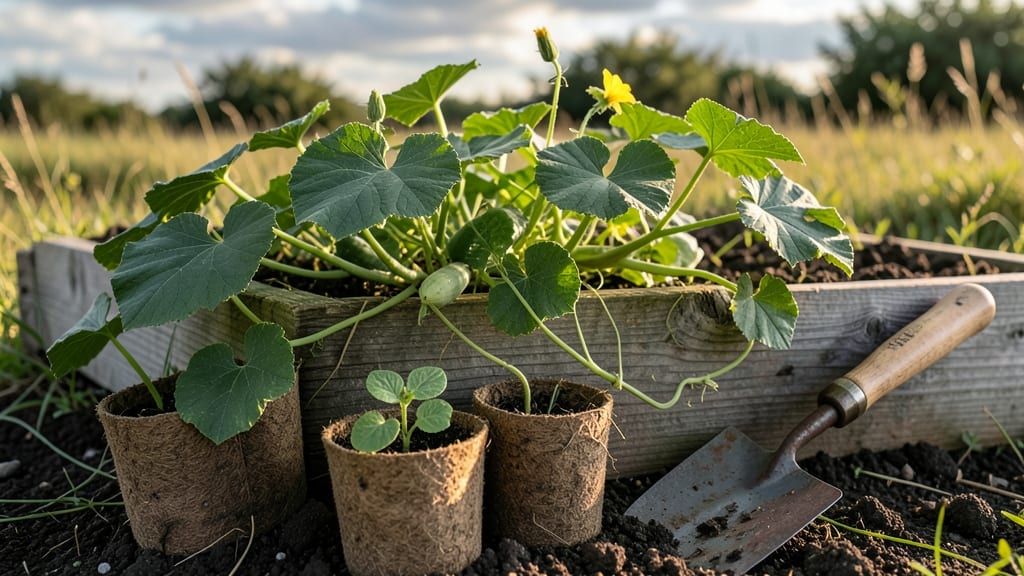
Planting cucumber plants outside after the last frost is the key to a bountiful harvest 🥒 — timing this right means the difference between thriving vines and wasted effort.
Picture this: you’ve nurtured your seedlings indoors, only to rush them outside too soon and watch frost nip their leaves. Or worse, you wait until summer heat arrives, and your cucumbers bolt before producing a single fruit. Getting the timing down to a science saves you from both scenarios.
Your USDA zone dictates the perfect window—whether it’s late April in Zone 6a or early March in warmer climates. Soil temperature matters just as much as air temperature, and I’ll walk you through the exact thresholds to check before you plant.
By the end, you’ll know not just when to plant, but how to adjust for early or late varieties, extend your growing season in cooler areas, and spot the hidden cues that tell you it’s truly time to put those cucumbers in the ground.
Optimal outdoor planting dates for cucumbers by USDA zone
Cucumbers thrive in warm soil and air, making timing critical for a successful harvest. Plant too early, and frost will damage delicate seedlings. Wait too long, and heat stress can reduce yields. The key is planting when soil temperatures reach 50°F+ and air temperatures stay above 60°F consistently.
Below, I’ve broken down the best planting windows by USDA zone, including early, mid, and late options for flexibility.
Most cucumber varieties need 60-85 days to mature, so timing ensures you harvest before first frost. In cooler zones (3-5), start seeds indoors 4-6 weeks before the last frost date.
Warmer zones (7-11) can direct-sow after April 15 or later, depending on local climate patterns. Always check your frost-free date and adjust for microclimates, like urban heat islands or high-altitude gardens.