
Companion Plants
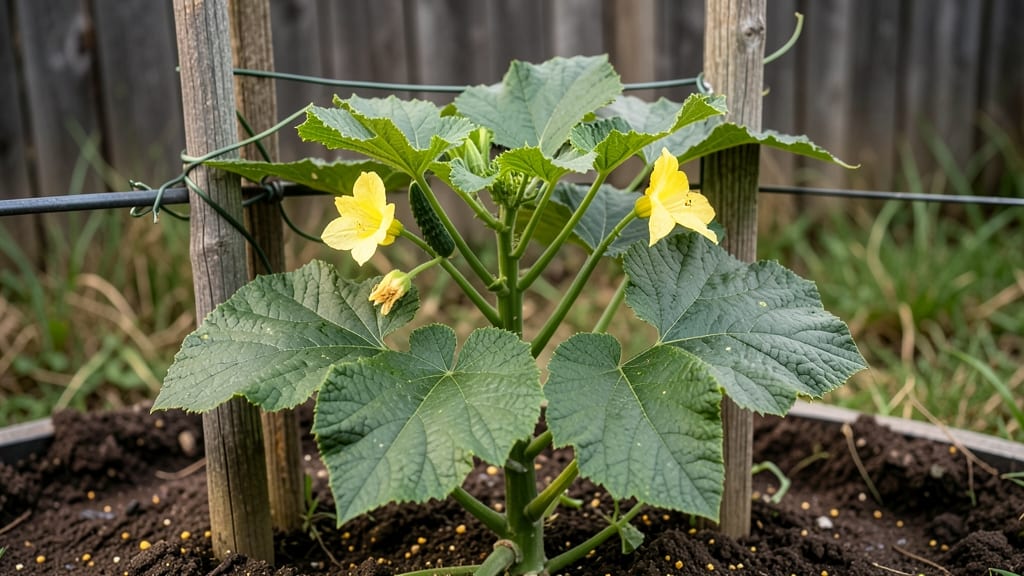
Planting early cucumber plants means fresh harvests before summer even arrives—and I’ve grown them successfully in March when most gardeners are still dreaming of tomatoes. 🌱 The trick isn’t just choosing the right varieties (like ‘Straight Eight’ or ‘Northern Pickling’), but also protecting them from late frosts with row covers or cold frames.
These cold-resistant cucumbers start producing when store-bought plants are still struggling to germinate.
You’ll need well-draining soil mixed with compost, 55-60°F daytime temperatures, and a spot that gets 6-8 hours of sun—even if it’s just a south-facing window for container growers. The key is starting seeds indoors 4-6 weeks before last frost or buying cold-hardy transplants from specialty nurseries.
My first attempt failed when I planted too early, but now I time it perfectly for mid-April in my zone.
What you’ll get is a 3-4 week head start on the season, meaning cucumbers when everyone else is still waiting. The vines stay productive longer, and you avoid the mid-summer heat stress that wilted my plants last year.
Plus, early harvests mean fewer pests and diseases—because cucumber beetles and powdery mildew arrive later in the season.
Works for gardeners in zones 3-7, whether you’re using raised beds, containers, or in-ground plots. The same principles apply whether you’re growing for pickling, slicing, or fresh eating. Here’s how to make it work without the usual springtime struggles.
📚 In This Guide
- What you need
- Instructions
- Tips and common mistakes
- Wrapping up and next steps
What you need
- ● Cold-resistant cucumber seeds: Choose early-maturing varieties like 'Straight Eight', 'Marketmore 76', or 'Northern Pickling' (1–2 packets, ~20–30 seeds).
- ● Seed-starting trays or biodegradable pots: 2–4 inch deep, with drainage holes (10–20 pots, depending on seed quantity).
- ● Seed-starting mix: Lightweight, sterile potting soil (1–2 bags, ~1–2 cubic feet).
- ○ Heat mat (optional but helpful): For bottom warmth (50–70°F range) to speed germination.
- ● Grow lights or sunny windowsill: 12–16 hours of light daily (LED grow lights work well).
- ● Spray bottle: For gentle watering (avoid over-saturating soil).
- ● Plastic wrap or humidity dome: To retain moisture while seeds germinate.
- ● Fertilizer: Balanced liquid fertilizer (5-10-5 or 10-10-10) for seedlings.
- ● Transplanting tools: Small trowel, pruners, and garden gloves.
- ● Well-draining soil: Amend with compost or aged manure for fertility (avoid heavy clay).
- ● Row covers or frost cloth: To protect young plants from late frosts (black or white fabric, 3–4 ft wide).
- ● Trellis or cages: For vining varieties (5–6 ft tall, bamboo or metal).
- ● Mulch: Straw or black plastic to warm soil and retain moisture.
- ● Drip irrigation or soaker hose: For consistent moisture (cucumbers hate soggy roots!).
- ● Soil thermometer (to monitor warmth for germination).
- ● Companion plants like radishes, beans, or nasturtiums (to deter pests).
- ● Epsom salt (1 tbsp per gallon of water) for magnesium boost during flowering.
- ● Organic pest control (neem oil or insecticidal soap for early aphids).
How to plant and care for cold-resistant cucumber varieties
Here's the method I've used for years to get a head start on cucumbers—even when frost lingers.
🌱 Step 1: Select and Prepare Cold-Hardy Varieties
Choose early-maturing, cold-tolerant varieties like 'Northern Pickling,' 'Straight Eight,' or 'Diva'—these handle 40-50°F soil temperatures better than most. Start seeds indoors 4-6 weeks before your last frost date, or sow directly outdoors when soil reaches 50°F. I always test soil temperature with a probe—cold soil slows germination, and cucumbers won't sprout below 55°F.
Fill seed-starting trays with sterile seed-starting mix (never garden soil—it's too dense and may harbor diseases). Plant 2 seeds per cell, ½ inch deep, since cucumbers germinate slowly in cool conditions. Cover lightly with additional mix and mist until evenly moist. You'll see sprouts in 7-10 days if conditions are right—patience is key here.
🪴 Step 2: Harden Off and Transplant Seedlings
When seedlings develop 2-3 true leaves (not just the initial seed leaves), start hardening them off. Place trays outside in a sheltered spot for 1-2 hours the first day, gradually increasing exposure over 7-10 days. Watch for wilting or yellowing leaves—this means they're not ready yet. Strong seedlings have deep green leaves and sturdy stems that don't snap easily.
Transplant outdoors after the last frost, choosing a spot with full sun (6-8 hours daily) and well-draining soil. Bury seedlings deeper than usual—up to the first set of true leaves—to encourage root growth. Space plants 2-3 feet apart in rows 4-5 feet apart to allow for vining. I always water deeply before transplanting to reduce shock.
☀️ Step 3: Protect from Late Frost and Provide Support
Even cold-hardy cucumbers need protection from late frosts. Use floating row covers or cloches until soil warms to 60°F consistently. Remove covers during the day to allow pollination (cucumbers need bees or wind). Install trellises or cages immediately—cucumbers grow 6-12 feet long and need vertical support to prevent disease and improve air circulation.
Mulch heavily with straw or black plastic to keep soil warm and suppress weeds. Water at the base of plants (not overhead) to prevent fungal diseases like powdery mildew. You'll know your plants are thriving when they produce yellow male flowers first, followed by female flowers (with tiny cucumbers at the base). Keep soil consistently moist—1 inch per week—but never soggy.
✂️ Step 4: Prune and Harvest for Continuous Production
Pinch off early flowers if your plants are small to encourage stronger vine growth. Once vines reach the trellis, let them climb freely. Harvest male flowers (no fruit at base) to redirect energy to female flowers. Female flowers develop into cucumbers—pick them when 4-6 inches long for best flavor. Regular harvesting stimulates more production—I harvest every 2-3 days during peak season.
Watch for yellowing lower leaves—this is normal as vines mature, but remove them to improve airflow. If vines slow down in late summer, give them a light fertilizer (5-5-5) to extend the season. With proper care, cold-hardy cucumbers will keep producing until first frost, giving you a longer harvest window than late-sown varieties.
Tips & tricks for growing cold-resistant cucumber plants
These practical strategies will help you maximize your early harvest with cold-hardy cucumbers—no frost damage required.
Soil Temperature Secret: The 50°F soil temperature threshold isn't just a number—it's the difference between success and failure. Use a soil thermometer in the morning when temperatures are coolest. If your soil hovers around 45°F, consider using black plastic mulch to raise temperatures by 5-10°F. I've seen germination rates drop by 50% when soil stays below 50°F for more than 48 hours. For extra insurance, soak your seed-starting mix with warm water before planting to jumpstart germination.
Hardening Off Hack: The gradual 7-10 day hardening process might seem tedious, but it's non-negotiable for cold-resistant varieties. Start with just 1-2 hours on the first day—this mimics natural spring conditions. I place my trays on a north-facing porch where they get dappled shade. Watch for leaves that perk up within minutes of returning indoors; that's your cue they're ready for more time outside. Pro tip: Use a small fan on low setting for the last 3 days to toughen stems—this prevents wind damage after transplanting.
Frost Protection Upgrade: Don't wait until the last minute to install row covers—set them up immediately after transplanting. I use floating row covers with built-in ventilation ports to prevent overheating. For extra security during late frosts, drape a lightweight blanket over the covers at night and remove it in the morning. The 60°F soil temperature threshold is crucial here; below that, cucumbers can't absorb nutrients properly, leading to stunted growth. A simple soil thermometer saves more plants than you'd think.
Harvest Timing Strategy: Those 2-3 day harvest intervals might seem frequent, but they're essential for continuous production. I've found that harvesting male flowers (the ones without tiny cucumbers at the base) actually boosts fruit production. Use sharp scissors to avoid damaging vines, and always harvest in the morning when cucumbers are crispest. For cold-resistant varieties, aim to harvest every 2 days during peak production—this prevents the plant from redirecting energy to seed development, which happens when cucumbers stay on the vine too long.
Pro Tips for Early Cucumber Plants
- These practical strategies will help you maximize your early harvest with cold-hardy cucumbers—no frost damage required.
- Soil Temperature Secret: The 50°F soil temperature threshold isn't just a number—it's the difference between success and failure.
- Hardening Off Hack: The gradual 7-10 day hardening process might seem tedious, but it's non-negotiable for cold-resistant varieties.
Frequently asked questions
Got questions about jumpstarting your cucumber harvest?
Here are some of the most common concerns—plus quick, actionable answers to keep your early cucumber plants thriving!
When is the best time to plant early cucumber varieties?
Plant cold-resistant cucumbers (like ‘Sweet Success’ or ‘Straight Eight’) 2–3 weeks after your last frost date when soil temps hit 55–60°F (13–16°C). Use black plastic mulch or row covers to warm soil faster. If your spring is chilly, opt for transplants instead of seeds—they’ll outpace seedlings!
Can early cucumbers survive a late frost?
Most early varieties tolerate light frost (28–32°F / -2 to 0°C) but won’t recover if frozen solid. Protect them! Use frost blankets or cloches (bell jars) at night. If frost is forecast, water plants deeply the day before—moist soil insulates roots better. Avoid planting too early; patience beats regret!
What are the best companion plants for early cucumbers?
Team cucumbers with herbs (dill, basil, oregano) to repel pests, marigolds (natural pest deterrents), and beans or peas (they fix nitrogen in the soil). Avoid planting near potatoes or sage—these can stunt growth. Interplanting saves space and boosts yields!
Why are my early cucumber leaves turning yellow?
Yellow leaves usually signal overwatering, nutrient deficiency, or powdery mildew. Check soil moisture—cucumbers hate soggy roots. For mildew, spray with a baking soda mix (1 tsp baking soda + 1 quart water + a drop of dish soap). If lower leaves yellow first, it’s often calcium deficiency—side-dress with crushed eggshells or lime.
Are there early cucumber varieties that grow well in containers?
Yes! Compact varieties like ‘Bush Champion’ or ‘Spacemaster’ thrive in 5-gallon containers with trellises. Use lightweight potting mix and fertilize every 2–3 weeks. Key tip: Place containers in full sun (6+ hours/day) and water consistently—containers dry out faster than garden beds. Perfect for balconies or small spaces!
Wrapping up and next steps
Growing early cucumber plants in spring doesn’t have to be a gamble—with the right cold-resistant varieties and a little preparation, you can enjoy a bountiful harvest sooner than you think! 🌱 Whether you're extending your season with row covers or choosing hardy heirlooms like 'Armenian' or 'Straight Eight,' your efforts will pay off in crisp, homegrown cucumbers.
Start small, experiment with companion plants like radishes or nasturtiums, and soon you’ll be a cucumber-growing pro.
Ready to take the next step? Plan your planting schedule based on your last frost date, prep your soil, and get those seeds in the ground—your future self (and taste buds!) will thank you.