
Planting
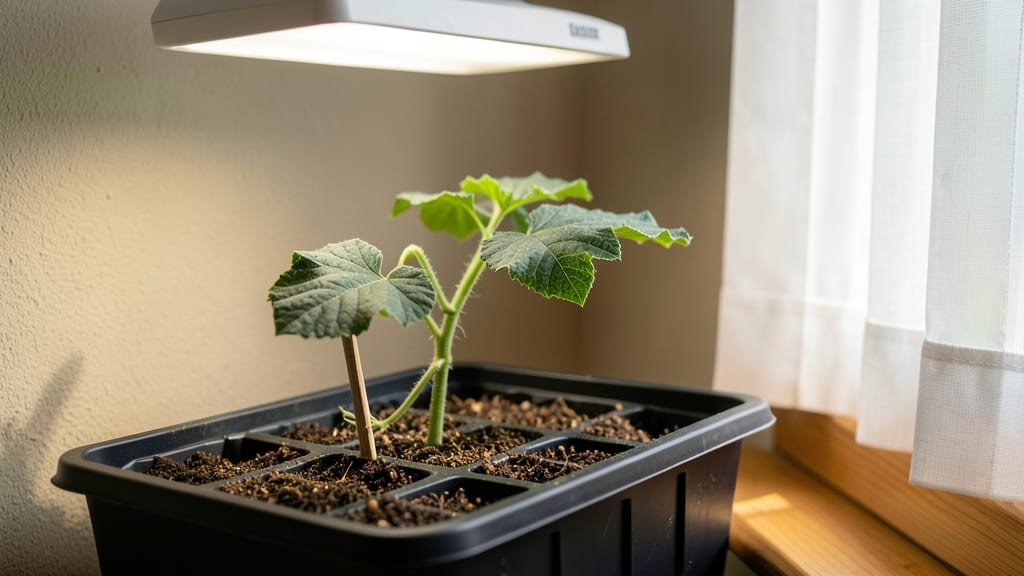
To start cucumber seeds indoors in Zone 7, aim for 2–3 weeks before your last frost date—typically late March to early April—to give seedlings enough time to mature before transplanting.
Timing cucumber seeds indoors in Zone 7 can mean the difference between a bountiful harvest and wasted effort—get it wrong, and you’ll face leggy seedlings or late-season disappointment.
Cucumbers thrive in warm soil, so rushing the transplant can shock young plants. Wait until soil temps hit 60°F+ and all frost risk has passed, usually mid-April in Zone 7.
Below, I break down the exact week-by-week schedule, plus pro tips to harden off seedlings and adjust for your local microclimate—so you can skip the guesswork and get straight to crisp, homegrown 🥒.
Zone 7 cucumber seed starting timeline: exact weeks before last frost
Timing cucumber seeds indoors in Zone 7 requires precision—start too early, and you’ll battle leggy seedlings and transplant shock; too late, and your harvest arrives after summer’s peak. The average last frost date in Zone 7 is April 15th, but microclimates can shift this by 7–10 days.
My goal is to help you nail the 3–4 week indoor window before transplanting, ensuring your cucumbers thrive from June through September.
Cucumbers are warm-season crops that need soil temperatures above 60°F to germinate and grow. In Zone 7, this means waiting until mid-April to early May for outdoor planting, but starting seeds indoors 4–6 weeks earlier gives them a head start.
I’ve broken this down into a week-by-week timeline so you can avoid common pitfalls like overcrowded trays or underdeveloped roots.
| Stage | Action | Notes |
|---|---|---|
| 4 Weeks Before Last Frost | Start seeds indoors | Use seed-starting mix; plant 1/2" deep. Keep at 70–80°F for germination. |
| 3 Weeks Before Last Frost | Sprouts emerge | Move to bright light (grow lights or south window). Thin to 1 seedling per cell. |
| 2 Weeks Before Last Frost | True leaves appear | Fertilize with diluted fish emulsion. Harden off seedlings for 3–5 days. |
| 1 Week Before Last Frost | Check soil temps | Transplant only when soil is 60°F+. Bury stems 1–2 inches deep. |
| After Last Frost | Transplant outdoors | Space 12–24" apart (bush vs. vining). Mulch to retain moisture. |
For Zone 7 gardeners, the 4-week mark before last frost (around March 15th) is your best bet to start cucumber seeds indoors. This timeline assumes you’re using a grow light or sunny window—without adequate light, seedlings stretch toward warmth and become weak and spindly.
I recommend using a T5 fluorescent grow light 6–8 inches above seedlings for 14–16 hours daily.
One common mistake I see is skipping the hardening-off process. After your seedlings develop their second set of true leaves (around 2 weeks after germination), they need 7–10 days of gradual acclimation to outdoor conditions.
Start by placing them outside for 1–2 hours daily, then increase exposure. This prepares them for Zone 7’s variable spring temperatures, which can swing from 40°F nights to 80°F days.
Soil temperature is just as critical as air temperature. Use a soil thermometer to confirm your garden beds are 60°F or warmer before transplanting. In Zone 7, this typically happens by mid-April, but cooler springs may delay it until early May.
If your soil is slow to warm, consider using black plastic mulch a week before transplanting to speed up the process.
Pro tip: If you’re in a cooler microclimate within Zone 7, like a high-elevation area, push your transplant date to May 1st and start seeds indoors 5 weeks earlier. Conversely, urban heat islands can allow earlier planting—monitor your local frost-free date and adjust accordingly.
My 2024 Zone 7 transplant window was April 22nd–May 5th, thanks to a late frost warning.
Finally, don’t forget that cucumbers are fast growers. From transplant to harvest is just 60–75 days, so timing is everything. If you miss the indoor window, you can still direct-sow seeds outdoors after last frost, but expect a 2–3 week delay in harvest.
For a longer harvest window, consider succession planting—start a second batch indoors 2 weeks after your first transplant.
With this week-by-week timeline, you’ll avoid the heartbreak of frost-nipped seedlings or bolting plants that produce flowers but no fruit. Follow these steps, and you’ll be enjoying <
Signs your cucumber seedlings are ready for transplanting (Zone 7 checklist)
Transplanting cucumber seedlings too early or late in Zone 7 can ruin your harvest. The key is watching for 3 critical growth milestones that show your seedlings are strong enough to handle outdoor conditions—especially our region’s unpredictable spring weather swings.
I’ve learned the hard way that rushing seedlings leads to stunted growth or worse, transplant shock.
First, check your seedlings for true leaves—those are the second set of leaves that look like the mature plant’s foliage, not the initial seed leaves. Aim for 2-3 true leaves before transplanting, as this indicates the seedling has developed a sturdy root system.
Thin stems at this stage won’t survive the stress of moving outdoors, so wait until you see thick, dark green stems about the diameter of a pencil.
Root health is just as important as leaf count. Gently squeeze the root ball to check for a dense, fibrous network. If roots are circling tightly or the soil falls apart easily, your seedlings need more time indoors.
Healthy roots should fill the container and look white or pale yellow—never brown or mushy, which signals rot. In Zone 7, where soil warms slowly, waiting for robust roots prevents transplant shock when nighttime temps can still dip.
🌱 Zone 7 Cucumber Seedling Checklist
- 🌿 2-3 true leaves (not seed leaves)
- 📏 Stem thickness = pencil diameter
- 🌱 Fibrous roots filling container
- 🌡️ Soil temp ≥60°F (use soil thermometer)
- ☀️ Hardened off for 7–10 days
Transplant when all 5 signs are met to avoid shock in Zone 7’s variable spring.
Don’t overlook hardening off, a critical step for Zone 7 gardeners. Start 7–10 days before transplanting by moving seedlings outdoors for 2–4 hours daily, gradually increasing exposure. Begin with shade and morning sunlight, then introduce afternoon sun over the final 2–3 days.
This mimics the gradual temperature shifts we see in spring, preventing seedlings from wilting when exposed to full sun too soon. I once skipped hardening off and lost half my seedlings to sunburn within hours of transplanting!
Finally, time your transplant to match Zone 7’s soil temperature. Use a soil thermometer to confirm the ground has warmed to at least 60°F—cucumbers won’t thrive in cooler soil. In my experience, this usually aligns with late April to early May, but it varies yearly.
If your soil is still chilly, delay transplanting even if seedlings look ready. Cold soil stresses roots, slowing growth and making plants vulnerable to disease.
Once all these signs are met, transplant on a cool, overcast day to reduce stress. Water deeply before and after moving seedlings to help them establish. With these steps, your cucumbers will transition smoothly from indoor starts to thriving outdoor plants, setting you up for a productive harvest.
The payoff? Fresh, homegrown cucumbers by summer! 🥒