
Vegetables
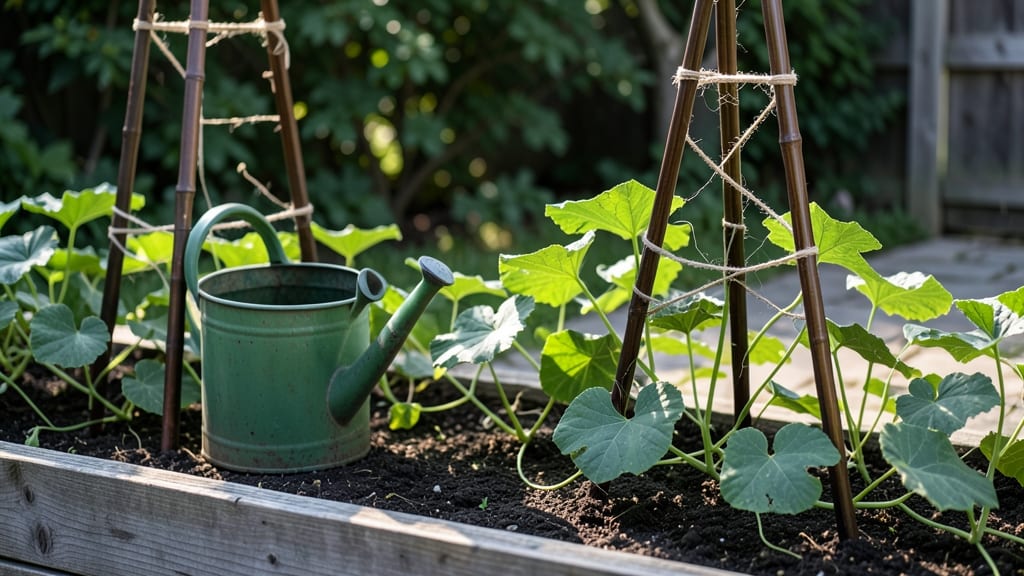
Cucumber seedlings wilting after just a week of growth? 🌱 I’ve pulled mine back from the brink more times than I can count—and the key is acting fast before the roots give up entirely.
The good news? Most wilting is reversible with a few targeted fixes, whether it’s soggy soil, thirsty roots, or hidden pests stealing the show.
First, check the soil: it should feel like a damp sponge, not a swamp or a desert. Overwatering smothers roots, while underwatering leaves them grasping for moisture. Then inspect the leaves—yellowing spots or chewed edges mean pests or disease might be the culprit.
A quick spray of water (or neem oil for stubborn bugs) can work wonders.
Within 24 hours of adjusting water and shade, you’ll see seedlings perk up again—especially if you move them to a spot with morning sun and afternoon shade. The goal is to mimic their natural shade-loving habits while keeping the soil consistently moist but never soggy.
Once they recover, keep an eye on their environment: cucumbers hate heatwaves and drafts. A simple shade cloth or mulch layer can prevent future wilting, and you’ll have thriving vines ready to produce in no time.
Root Causes of Wilting Seedlings
Understanding why your cucumber seedlings are wilting starts with identifying the hidden stressors at play. These delicate plants rely on precise conditions to thrive, and even minor imbalances can trigger a rapid decline.
Below, we break down the key culprits—each with a clear scientific explanation and actionable insights to help you diagnose the issue fast.
Why it happens: Cucumber seedlings thrive in well-drained soil with 60-70% moisture—any more, and their roots suffocate. Overwatering forces roots to starve for oxygen, leading to:
- Anaerobic conditions (lack of O₂), which disrupts nutrient uptake (especially nitrogen and phosphorus).
- Root rot from fungal pathogens like Pythium or Phytophthora, which thrive in soggy soil.
- Weakened cell structure, causing wilting even when soil appears moist.
Red flags:
- Yellowing leaves (early sign of root stress).
- Soil that stays clumpy or smells sour after watering.
- Seedlings that wilt immediately after watering (a classic overwatering symptom).
Pro tip: 🌡️ Test your soil’s moisture by squeezing a handful—if water drips out, it’s too wet. Use a moisture meter or the "finger test" (insert 1 inch deep; if damp, wait to water).
Why it happens: While overwatering drowns roots, chronic underwatering dehydrates cucumber seedlings faster than you think. Their shallow root systems (initially just 1-2 inches deep) can’t access moisture from deep soil, leading to:
- Plasma membrane damage in root cells, halting water absorption.
- Stomatal closure (leaves’ pores shut) to conserve moisture, reducing photosynthesis.
- Nutrient lockout—even if fertilizer is present, dry soil binds nutrients, making them inaccessible.
Red flags:
- Crispy, curling leaves (especially at the edges).
- Soil pulling away from pot sides (indicates extreme dryness).
- Wilting that worsens midday (when transpiration peaks).
Fix it fast: 💡 Water deeply but infrequently—aim for 1-1.5 inches of water per week, delivered in morning sessions to reduce evaporation. Use drip irrigation or a soaker hose to target roots directly.
Why it happens: Cucumber seedlings are sensitive to root disturbance during transplanting. Even minor damage triggers:
- Reduced root surface area, limiting water/nutrient uptake.
- Osmatic imbalance—damaged roots leak sugars, disrupting the plant’s water pressure system.
- Pathogen entry points for soil-borne diseases like Fusarium.
Red flags:
- Wilting within 24-48 hours of transplanting.
- Stunted growth or yellowing lower leaves.
- Roots that appear brown or mushy when inspected.
Prevent it: ✨ Hardening off seedlings (acclimate to outdoor conditions over 5-7 days). 🔥 Use the "slip-and-slip" method—gently squeeze the seedling’s stem to loosen it from the root ball before planting. 🌡️ Plant at the same depth as the nursery pot to avoid stressing the stem.
Why it happens: Cucumbers are heat-sensitive—temperatures above 90°F (32°C) cause:
- Stomatal collapse (leaf pores close permanently, blocking water flow).
- Photosynthesis shutdown due to chlorophyll degradation (leaves turn white or bleached).
- Root temperature spikes, which slow nutrient absorption.
Red flags:
- White or yellow patches on leaves (sun scald).
- Wilting that worsens in afternoon heat.
- Drooping vines even with moist soil.
Shade solutions: 🌿 Provide afternoon shade (use floating row covers or shade cloth). 💡 Mulch heavily (straw or black plastic) to keep roots cool. 🎯 Water in the early morning to reduce evaporation stress.
Why it happens: Wilting can stem from specific nutrient shortages, particularly:
- Potassium (K) deficiency → Weakens osmotic regulation, causing cells to lose turgor (pressure).
- Calcium (Ca) deficiency → Blossom-end rot (though more common in fruits, severe cases affect seedlings).
- Magnesium (Mg) deficiency → Chlorosis (yellowing between veins), reducing energy for water transport.
Red flags:
- Yellowing leaves (Mg deficiency) or brown leaf edges (K deficiency).
- Stunted growth despite regular watering.
- Wilting that persists even after watering.
Boost nutrients fast: 💪 Foliar spray with kelp meal (rich in K) or Epsom salt (for Mg). 🥗 Side-dress with compost tea or balanced fertilizer (10-10-10). 🔥 Avoid over-fertilizing—salty soil worsens root stress!
Why it happens: Hidden pests or pathogens sap nutrients or block water transport:
- Aphids/spider mites → Inject toxins, causing wilting and curling.
- Root-knot nematodes → Gall formation on roots, reducing absorption.
- Powdery mildew → Clogs stomata, preventing gas exchange.
Red flags:
- Sticky residue on leaves (aphid honeydew).
- Tiny webs (spider mites) or galls on roots.
- White powdery coating on leaves.
Act now: 🔪 Neem oil spray (for soft-bodied pests). 🌡️ Introduce beneficial nematodes (Steinernema) for root pests. ✨ Prune infected leaves and improve airflow to prevent mildew.
Reviving Your Wilting Seedlings Fast
When your cucumber seedlings start wilting, panic isn’t the first step—quick action is. The good news? Most causes have simple, effective fixes. Below, we’ll break down the most common reasons your seedlings are struggling and how to turn things around—fast.
Plus, we’ll share pro tips to keep your plants thriving long-term.
Signs: Yellowing leaves, mushy stems, or seedlings that feel soggy at the base.
How to Fix It:
- 🔥 Stop Watering Immediately
- Let the soil dry out slightly before watering again. Overwatering suffocates roots by cutting off oxygen.
- 👨🍳 Improve Drainage Fast
- If your pots lack drainage holes, move seedlings to a well-draining container (even a temporary one) ASAP.
- Mix in perlite or coarse sand (10-20%) to loosen heavy soil and prevent compaction.
- ⏰ Monitor Soil Moisture
- Stick your finger 1 inch deep—if it’s damp, wait. If dry, water only until moisture reaches 2-3 inches down.
💡 Prevention Tip: Use self-watering pots with wicking fabric or terracotta containers (they dry out faster). Mulch with straw to regulate moisture without overdoing it.
Signs: Leaves curling upward, crispy edges, or seedlings wilting in the heat of the day.
How to Fix It:
- 🌡️ Provide Partial Shade
- Move seedlings to a spot with morning sun + afternoon shade (use a sheer cloth or shade tent if outdoors).
- For indoor growers, place them 1-2 feet from a south-facing window or under grow lights on a timer (14-16 hours/day).
- 💦 Boost Humidity (If Needed)
- Mist seedlings lightly in the morning (avoid evening misting to prevent fungal issues).
- Place a shallow tray of water near them or use a humidity dome (remove once they’re established).
- 🌱 Harden Off Gradually
- If seedlings were started indoors, acclimate them to outdoor conditions over 5-7 days by moving them outside for 1-2 hours daily, increasing time slowly.
✨ Pro Tip: Cucumbers love warm roots but cool tops—bury pots slightly deeper or use reflective mulch (like aluminum foil) to keep soil temps stable.
Signs: Dry, crispy leaves, wilting that worsens in the afternoon, or soil pulling away from pot edges.
How to Fix It:
- 🍳 Water Deeply (Not Just the Surface)
- Use a watering can with a long spout or a slow drip system to soak soil until water runs out the drainage hole.
- Bottom-watering (placing pots in a tray of water for 10-15 mins) encourages roots to grow downward.
- 🔪 Check Root Health
- Gently remove the seedling from its pot and inspect roots. If they’re white and firm, replant. If black/mushy, trim rotten parts and repot in fresh soil.
- 🌿 Use a Moisture Meter
- Invest in a cheap soil moisture meter ($5-$10) to avoid guesswork. Aim for 40-60% moisture for seedlings.
🎯 Prevention Tip:
- Water in the morning so plants have all day to absorb moisture.
- Group seedlings together to create a microclimate with higher humidity.
Signs: Holes in leaves, sticky residue (aphids), yellow spots (fungus), or wilting despite proper watering.
How to Fix It:
- 🔥 Isolate Affected Seedlings
- Move them away from healthy plants to prevent spread. Check undersides of leaves for pests.
- 🍳 Treat Pests Naturally
- Aphids/Spider Mites: Spray with soapy water (1 tsp mild soap + 1 quart water) or neem oil (1 tsp oil + 1 quart water + drop of dish soap).
- Fungal Issues (Powdery Mildew): Apply baking soda spray (1 tsp baking soda + 1 quart water + few drops of soap).
- 🌱 Boost Plant Immunity
- Compost tea (1 cup compost + 5 gallons water, steep 24 hours) strengthens seedlings.
- Copper fungicide (for severe fungal issues) can be a last resort.
💡 Prevention Tip:
- Rotate crops yearly to prevent soil-borne diseases.
- Encourage beneficial insects like ladybugs by planting marigolds or basil nearby.
Signs: Wilting within days of moving seedlings, stunted growth, or leaves turning yellow.
How to Fix It:
- 💦 Water Thoroughly After Transplanting
- Soak the root ball before and after moving to reduce stress.
- 🌿 Use a Root Stimulator
- Mix 1 tsp honey or molasses into water (1 gallon) and water seedlings to encourage root growth.
- Commercial rooting hormones (like Dip ‘N Grow) can help if roots are damaged.
- 🌱 Shield from Wind/Sun
- Keep seedlings in a protected spot for 3-5 days post-transplant. Use stakes or cages to support weak stems.
✨ Pro Tip:
- Transplant on a cloudy day or in the evening to minimize stress.
- Avoid fertilizing for 1-2 weeks—focus on recovery first!
If your seedlings are beyond saving (e.g., severe root rot, pest infestation, or irreversible damage), don’t waste time—start fresh! 1. 🔥 Discard the infected soil (don’t reuse it).
- 🌱 Sow new seeds in sterilized soil (bake soil at 200°F for 30 mins or use hydrogen peroxide to kill pathogens).
- 💧 Keep new seedlings in a humidity dome until they’re sturdy.
Final Reminder: Most wilting is fixable—don’t give up! Cucumbers are resilient, and with the right care, your seedlings will bounce back stronger than ever. 🌱💪
Frequently asked questions
Why do my cucumber seedlings wilt so fast after transplanting?
Transplant shock is the #1 culprit! Cucumber roots are delicate, and even minor damage disrupts their water uptake system. The stress causes cells to lose turgor pressure quickly. To prevent this, harden off seedlings for 5-7 days before moving them outside, and use the "slip-and-slip" method when planting to minimize root disturbance.
Can I save seedlings that wilted overnight?
It depends! If the soil is dry and roots look healthy (white/firm), they may just need deep watering in the morning and afternoon shade. For soggy soil or mushy roots, trim the damaged parts and repot in fresh, well-draining mix. If leaves are crispy or black, the damage is likely irreversible—but start fresh with new seeds in sterilized soil.
How do I tell if wilting is from overwatering vs. underwatering?
Check the soil and leaves: Overwatered seedlings have yellowing leaves, soggy soil that smells sour, and wilt even after watering. Underwatered ones show crispy edges, dry soil pulling away from pots, and wilt that worsens midday. Use the finger test—if damp 1 inch deep, you're overwatering; if bone-dry, it's thirsty.
Will Epsom salt help wilting cucumber seedlings?
Yes! Epsom salt (magnesium sulfate) can help if wilting stems from nutrient deficiencies. Mix 1 tablespoon per gallon of water and apply as a foliar spray or soil drench. This boosts magnesium (critical for photosynthesis) and calcium (prevents cell wall collapse). For best results, use in the morning so leaves dry quickly and avoid fungal issues.
How long does it take for wilting seedlings to recover?
With proper care, you’ll often see improvement within 24-48 hours—especially if the issue was water-related. For transplant shock or pests, recovery may take 3-7 days. Monitor soil moisture, provide shade, and avoid fertilizing until new growth appears. If no progress after 5 days, the seedlings may be beyond saving.