
Pests and Diseases
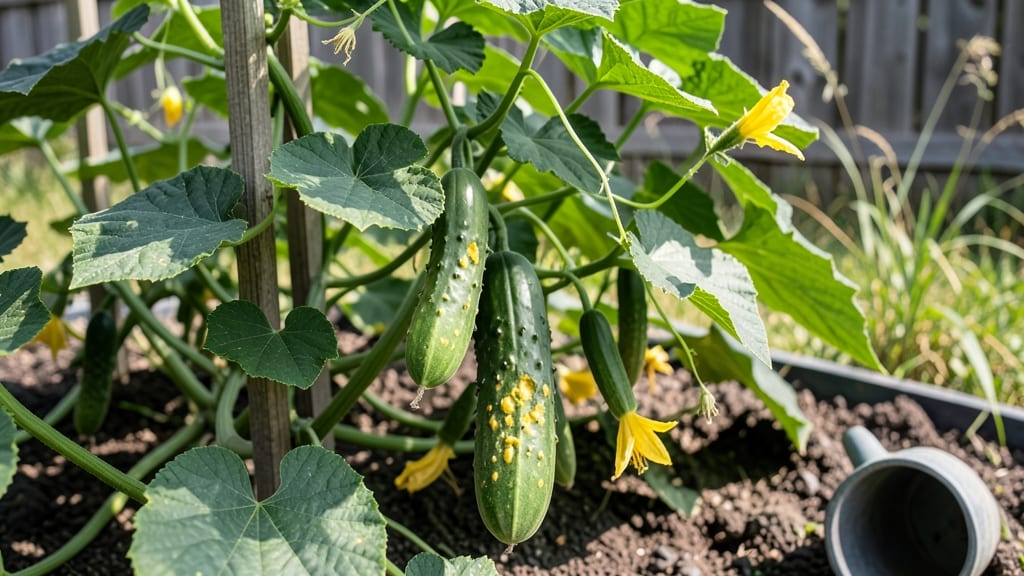
Yellow spots on cucumbers mean your harvest isn’t as healthy as it could be. 🌱 I’ve battled this problem every summer until I discovered the copper-free solutions that actually work—no more sad, spotted fruit ruining my salads. The culprits are usually powdery mildew, bacterial spot, or even nutrient deficiencies.
The good news? A few simple adjustments—like spacing plants for airflow, using organic sprays, and fixing soil pH—can turn those sad spots into vibrant green cucumbers by next week.
You’ll learn how to spot the difference between fungal issues and environmental stress, plus the exact treatments that keep your vines thriving. No more guessing—just actionable fixes for a healthy, productive harvest every season. Works for both backyard gardens and container growers. Let’s get those cucumbers back on track!
Why it happens
Yellow spots on your cucumbers can feel like a mystery—especially when you’ve given them plenty of care. But these blemishes usually stem from a few key culprits, each with a distinct scientific trigger.
Understanding the why behind the spots is the first step to fixing them without relying on copper-based sprays. Let’s break down the most common reasons your cucumbers develop these unsightly (but often harmless) marks.
When temperatures climb too high—especially during peak summer—cucumbers can develop pale, yellowish patches known as sun scorch. This happens because:
- Excessive UV exposure: Direct sunlight can overheat cucumber skins, causing cell damage and discoloration. Think of it like a sunburn on your skin, but for your plants.
- Water loss & dehydration: High heat accelerates transpiration (water evaporation), leaving spots where the plant struggles to maintain moisture balance.
- Thin or waxy skins: Varieties with delicate skins (like some heirloom cucumbers) are more prone to scorch, even under partial shade.
Pro Tip: 💡 If your cucumbers are facing south or west, provide afternoon shade with a lightweight row cover or dappled shade cloth. Mulching with straw also helps regulate soil temperature and retain moisture.
Yellow spots can also signal fungal or bacterial infections triggered by poor watering habits. Here’s how it happens:
- Splashing water onto leaves: Overhead watering (like from sprinklers) can spread pathogens like Pseudomonas syringae or Erwinia, which cause bacterial leaf spot. These bacteria enter through stomata (tiny leaf pores) and create water-soaked, yellowing lesions.
- Inconsistent moisture: Alternating between drought and overwatering stresses plants, weakening their defenses. Wet foliage that doesn’t dry quickly fosters fungal growth, such as Alternaria or Cercospora leaf spots.
- Poor drainage: Soggy soil prevents roots from absorbing water efficiently, leading to nutrient deficiencies that manifest as yellowing.
Actionable Fix: 🌱 Switch to drip irrigation or soaker hoses to deliver water at the base of plants. Water in the early morning so leaves have time to dry—this cuts down on fungal spores by 50% or more.
Cucumbers are heavy feeders, and when their nutritional needs aren’t met, they send distress signals—including yellow spots. The most common culprits:
| Nutrient Issue | Symptoms | Why It Happens |
|---|---|---|
| Magnesium Deficiency (Yellowing Between Veins) | Interveinal chlorosis (yellowing) on older leaves, progressing to spots. | Magnesium is crucial for chlorophyll production. Overwatering or acidic soil (pH < 6.0) locks it out of root uptake. |
| Potassium Deficiency (Edge Yellowing) | Yellowing at leaf edges or tips, often with brown spots. | Potassium regulates water and disease resistance. Leaching (from heavy rain or overwatering) depletes it quickly. |
| Excess Nitrogen (Soft, Pale Spots) | New growth is lush but pale, with watery, yellow spots on fruits. | Too much nitrogen promotes rapid (but weak) growth. Plants can’t synthesize enough antioxidants, leading to oxidative stress. |
Quick Test: 🔥 Grab a handful of soil—if it smells sour or feels gummy, it’s too wet. Amend with compost or a balanced fertilizer (like 5-5-5) to restore balance. For magnesium, use Epsom salt (1 tbsp per gallon of water, applied as a foliar spray).
Not all yellow spots are disease-related—some are a menu for hungry pests. Here’s how they leave their mark:
- Cucumber Beetles: These striped or spotted beetles chew leaves, creating irregular yellow patches as they feed. They also spread bacterial wilt.
- Aphids & Spider Mites: Tiny sap-suckers inject toxins that cause yellow stippling or curling. Heavy infestations lead to necrotic (dead) spots.
- Flea Beetles: Their tiny, shot-like holes can coalesce into larger yellowed areas, especially on young leaves.
Non-Toxic Defense: 🌿 Introduce beneficial insects like ladybugs or lacewings. For beetles, use kaolin clay (a natural repellent) or row covers to block access.
Quick Fixes for Spot-Free Cucumbers
Yellow spots on your cucumbers can feel like a frustrating mystery, but don’t worry—most issues have simple, copper-free solutions! Below, we’ve mapped the most common causes to easy fixes, so you can get back to growing crisp, blemish-free cucumbers in no time.
If your cucumbers have yellowish powdery patches or small, greasy-looking spots, fungi like powdery mildew or bacterial leaf spot are likely to blame.
🧹 Clean Up & Prevent Spread
- Remove infected leaves immediately (don’t compost them—toss in the trash).
- Space plants properly (12–24 inches apart) to improve airflow and reduce humidity.
- Water at the base (avoid overhead sprinkling, which spreads spores).
💡 Natural Fungicide Sprays - Baking soda spray: Mix 1 tsp baking soda + 1 tbsp vegetable oil + 1 tsp dish soap in 1 gallon of water.
Spray every 7–10 days. - Neem oil: Dilute 1 tbsp neem oil + 1 tsp mild soap in 1 quart of water.
Spray in the early morning or evening (avoid direct sun). - Copper-free alternative: Try hydrogen peroxide (3%)—mix 1 tbsp per quart of water and spray weekly.
🌡️ Boost Plant Health
- Balanced fertilizer (10-10-10) every 4–6 weeks to strengthen immunity.
- Mulch with straw or grass clippings to keep soil moisture even and reduce spore splash.
If spots appear only on sun-exposed sides (especially on thick-skinned varieties), your cucumbers may be getting too much direct heat.
🌿 Provide Shade & Support
- Use shade cloth (30–50%) during peak afternoon sun (1–5 PM).
- Train vines upward with trellises to prevent fruit from resting on hot soil.
- Harvest frequently—overripe cucumbers are more prone to sun damage.
💧 Hydration Helps
- Water deeply 1–2 times per week (1–2 inches per week) to keep soil moist but not soggy.
- Avoid wetting leaves—direct water droplets can magnify sun damage.
Tiny yellow speckles or stippling (like tiny holes) often mean pests are sucking sap from leaves and fruit.
🕷️ Blast Them Away - Spray with soapy water: Mix 1 tsp mild castile soap in 1 quart of water.
Spray directly on pests (especially undersides of leaves). - Introduce beneficial insects: Ladybugs or lacewings eat spider mites naturally. - Neem oil spray (as above) deters both mites and aphids.
🌿 Prevent Future Infestations
- Inspect plants weekly—catch pests early!
- Use reflective mulch (like aluminum foil) to confuse and repel pests.
- Rotate crops—don’t plant cucumbers in the same spot year after year.
If spots appear near the blossom end (the stem side) with dull, sunken yellowing, your plants may be struggling with calcium deficiency or uneven watering.
💧 Fix Watering Habits
- Water consistently—never let soil dry out completely, then soak again.
- Use drip irrigation to deliver water directly to roots (avoids leaf wetting).
- Mulch heavily (2–3 inches) to retain moisture and prevent swings.
🥛 Boost Calcium Naturally
- Crushed eggshells: Bury 1 inch of crushed eggshells around plants (they break down slowly).
- Epsom salt soak (optional): Mix 1 tbsp Epsom salt in 1 gallon of water and water at the base once a month.
- Avoid over-fertilizing with nitrogen—it can worsen calcium uptake issues.
To keep your cucumbers spot-free season after season: ✅ Rotate plant locations every year to prevent soil-borne diseases. ✅ Start with disease-resistant varieties (e.g., ‘Straight Eight,’ ‘Lemon Cucumber’). ✅ Test soil pH (aim for 6.0–6.8)—extreme pH can cause nutrient deficiencies. ✅ Harvest early & often—overripe cucumbers are more prone to blemishes.
Pro Tip: 💡 Keep a garden journal! Note when spots appear, weather conditions, and fixes—it’ll help you spot patterns next season. Happy growing!
Frequently asked questions
Are yellow spots on cucumbers always a sign of disease?
Not necessarily! While fungal or bacterial infections are common causes, yellow spots can also result from sun scorch (excessive heat), nutrient deficiencies (like magnesium or potassium), or even pest damage from cucumber beetles or mites. Always check the pattern—powdery spots suggest disease, while sunken or stippled spots may indicate pests or environmental stress.
Can I still eat cucumbers with yellow spots?
It depends! Small, isolated spots from sun scorch or minor pest damage are usually safe to eat. However, if the spots are large, greasy, or accompanied by mold (like powdery mildew), it’s best to discard them. When in doubt, peel the cucumber or use it in cooked dishes where the skin isn’t consumed.
How do I tell if yellow spots are from too much sun or a fungal infection?
Sun scorch spots are typically dry, pale yellow, and only appear on sun-exposed sides of the cucumber. Fungal spots, on the other hand, often look greasy, raised, or powdery and may spread to leaves. Check the undersides of leaves too—fungal spores often appear there first. If unsure, snap a photo and compare it to online guides.
Will removing infected leaves stop the spread of yellow spots?
Removing infected leaves immediately (and disposing of them in the trash, not compost) breaks the cycle of fungal or bacterial spread. Pair this with proper spacing (12–24 inches between plants) and watering at the base to reduce humidity. This combo can cut infection rates by up to 70%.
Can I use baking soda to treat yellow spots caused by pests?
Baking soda is great for fungal issues, but it won’t kill pests like aphids or mites. For pest-related yellow spots, try a soapy water spray (1 tsp mild castile soap per quart of water) or introduce beneficial insects like ladybugs. Neem oil also works for both fungi and pests—just avoid spraying in direct sunlight.