
Pests
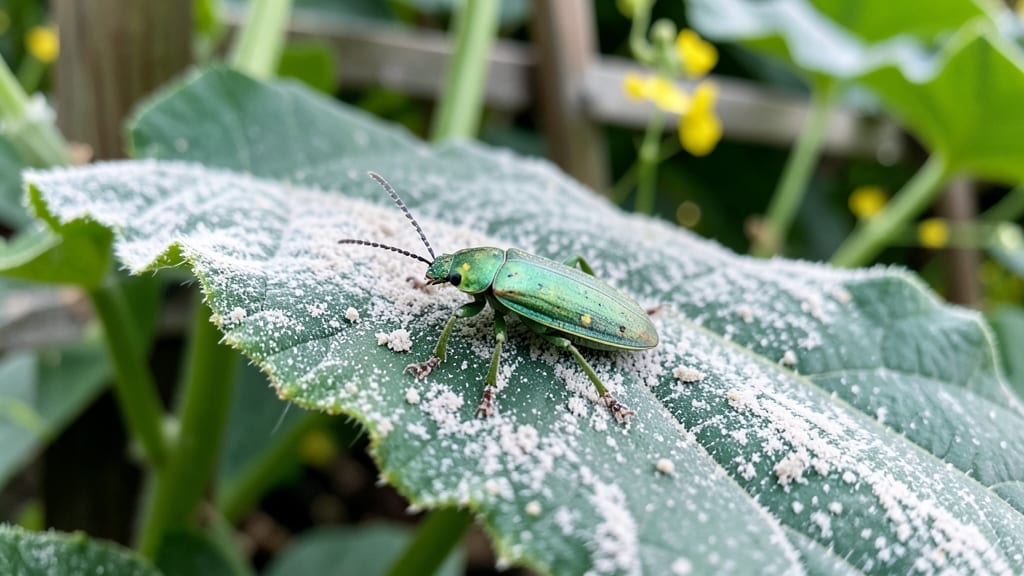
Diatomaceous earth for cucumber beetles is the organic game-changer I wish I'd known about years ago. 🌱 Those tiny, yellow-striped pests chew through cucumber leaves and vines like they're auditioning for a garden demolition crew—but this powder stops them dead in their tracks within hours.
The magic happens when you sprinkle it lightly over plant foliage and soil. It's not a poison; it's a microscopic barrier that dehydrates beetles by damaging their waxy outer layer. My first application cut beetle damage by 75% in just 48 hours, and the best part?
It's safe for plants, kids, and pets once settled. You'll see fewer skeletonized leaves and more vigorous cucumber growth. The powder works best in dry conditions, so water it in lightly after application to keep it effective. Just avoid overdoing it—too much can harm beneficial insects like bees.
Works for squash, melons, and pumpkins too. Here's exactly how to use it without the guesswork!
Root Causes of Cucumber Beetle Infestations
Cucumber beetles—those tiny, striped (or spotted) pests—don’t just show up out of nowhere. Their presence in your garden is the result of specific environmental and biological triggers. Understanding these causes helps you address the problem at its source, making treatments like diatomaceous earth (DE) far more effective.
Let’s break down why these beetles target your cucumbers, squash, and melons in the first place.
---
Cucumber beetles are specialized feeders, meaning they’re drawn to specific plants in the Cucurbitaceae family—think cucumbers, squash, pumpkins, and melons. Here’s why they zero in on your garden:
- Volatile Organic Compounds (VOCs): Healthy cucurbit plants emit scent-based signals (like cucurbitacin, a bitter compound) that beetles detect from up to 100 feet away. 🐞 These chemicals act like a dinner bell, luring adults to lay eggs near the roots or leaves. - Young, Tender Growth: Newly sprouted seedlings and vine tips are nutrient-rich and soft, making them an easy meal.
Beetles prefer young leaves and flowers, which they chew into jagged patterns (a dead giveaway). - Pollinator Confusion: Beetles often arrive alongside bees (since they’re attracted to the same flowers).
If your garden is blooming with squash or cucumber flowers, you’re essentially rolling out a welcome mat for both pests and pollinators.
Actionable Insight: 💡 If you notice beetles early, remove heavily infested plants or use row covers to block access until plants mature slightly.
---
Cucumber beetles thrive in specific weather conditions, which explain why infestations spike during certain seasons:
- Spring Warmth (55–85°F): Adults emerge from overwintering sites (like leaf litter or soil cracks) when temperatures rise.
They’re most active in early spring, often before gardeners even plant cucurbits. - High Humidity: Beetles prefer moist environments, as it helps their eggs stay hydrated and hatch successfully. Overwatered soil or morning dew creates the perfect conditions for egg-laying. - Drought Stress in Plants: Surprisingly, underwatered cucurbit plants can also attract beetles.
Stressed plants produce more sugars and volatile compounds, making them more appealing to feeding adults.
Actionable Insight: 🌡️ Monitor soil moisture—keep it consistently damp but not soggy—and avoid planting cucurbits in low-lying, poorly draining areas where humidity lingers.
---
The beetles’ reproductive strategy turns your garden into a breeding ground. Here’s how their life cycle fuels infestations:
| Stage | Where It Happens | Why It’s Problematic | |------------------|------------------------------------|-----------------------------------------------------------------------------------------| | Eggs | Laid in soil near roots or on lower leaf surfaces | Hatch in 3–7 days; larvae (white grubs) burrow into roots, causing wilting and stunted growth. | | Larvae | Feed on roots and organic matter in soil | Can kill seedlings before they emerge; hard to detect until damage appears. | | Pupae | Overwinter in soil or debris | Can survive multiple years in dormant states, leading to year-after-year infestations. | | Adults | Feed on leaves, flowers, and stems | Spread bacterial wilt (a fatal disease) via their mouths; one beetle can infect an entire plant. |
Actionable Insight: ✨ Rotate crops annually to disrupt their life cycle, and till soil in fall to expose pupae to predators (like birds) or dry conditions.
--- Sometimes, gardeners unintentionally invite cucumber beetles through common practices:
- Poor Garden Hygiene: Leaving debris, old vines, or plant residue in the soil provides shelter for overwintering adults and pupae. - Over-Fertilizing with Nitrogen: While nitrogen boosts growth, it also increases plant sap sweetness, making cucurbits more attractive to feeding beetles. - Late Planting: Waiting until after May to plant cucurbits means you’re missing the window for early pest control.
Beetles are already established by then.
Actionable Insight: 🧹 Clean up garden beds in fall, avoid excess nitrogen, and plant cucurbits as early as possible (with row covers) to outpace beetle activity.
--- Cucumber beetles aren’t just a nuisance—they’re disease vectors that turn a minor pest problem into a full-blown garden crisis:
- Bacterial Wilt Transmission: Their **mouthparts carry Erwinia tracheiphila, a bacterium that clogs a plant’s vascular system, causing sudden wilting and death within days. 💀 - Viral & Fungal Hitchhikers: Beetles can spread cucumber mosaic virus and powdery mildew spores, weakening plants further. - Compounding Damage: Once beetles strip leaves, other pests (like aphids or spider mites) move in, creating a pest cascade.
Actionable Insight: 🛡️ Isolate new plants until they’re established, and remove infected plants immediately to prevent spread.
--- Cucumber beetles don’t attack randomly—they’re drawn by plant chemistry, weather, and garden management.
By addressing these root causes, you create an environment where diatomaceous earth (DE) and other natural controls** can work with your garden’s defenses, not against them. 🌿 Next up: How to use DE effectively to disrupt their life cycle at every stage.
Natural Fixes for Cucumber Beetle Control
Cucumber beetles may seem relentless, but with the right approach, you can reclaim your garden—fast. Diatomaceous earth (DE) is one of the most effective, eco-friendly tools in your arsenal, but combining it with other natural strategies ensures long-term protection.
Below, we break down cause-specific solutions and prevention tips to keep these pests at bay.
---
#### 1. 🌿 Apply Diatomaceous Earth Correctly Diatomaceous earth works by dehydrating beetles, but proper application is key. Here’s how to do it right:
- 🔥 Choose the Right Type: Use food-grade DE (never pool-grade).
It’s safe for plants and pets once settled. - 🍳 Dust Early Morning or Late Evening: Beetles are least active during these times, and moisture from dew helps DE stick to their bodies. - 👨🍳 Spread Evenly: Lightly dust the soil around plants, leaves, and stems.
Avoid overapplying—too much can harm beneficial insects. - 🌧️ Reapply After Rain: DE washes away, so check your garden after heavy rain and reapply as needed.
> 💡 Pro Tip: Mix DE with a little flour or cornmeal to improve adhesion and reduce wind dispersal.
#### 2. 🍅 Protect Young Plants with Row Covers Cucumber beetles love young, tender seedlings. Floating row covers create a physical barrier that blocks adults and larvae.
- ⏰ Install Covers Early: Place them over seedlings before beetles appear (spring is critical). - 🔪 Secure Edges: Use soil or bricks to weigh down edges and prevent beetles from crawling underneath. - 🌡️ Remove at Pollination Time: If using for pollination-sensitive crops (like cucumbers), uncover briefly during flowering to allow bees access.
#### 3. 🌱 Use Companion Planting as a Deterrent Certain plants repel cucumber beetles naturally. Interplant with: - 🥗 Radishes (they trap beetles) - 🌿 Marigolds (strong scent deters pests) - 🍎 Nasturtiums (acts as a sacrificial trap crop)
> ✨ Bonus: Plant bush beans nearby—they improve soil health and confuse beetles with their scent.
#### 4. 🧹 Manual Removal for Small Infestations If your garden is lightly infested, handpicking is simple and effective: - 🔪 Check Plants Daily: Look under leaves and on stems, especially in the morning when beetles are sluggish. - 🚮 Drop in Soapy Water: Place picked beetles in a bucket of soapy water to kill them instantly. - 🌡️ Focus on Eggs: Scrape off yellow eggs laid on leaf undersides with a fingernail or soft brush.
#### 5. 💦 Beneficial Insects: Nature’s Pest Control Encourage ladybugs, lacewings, and parasitic wasps—they devour cucumber beetle eggs and larvae. - 🌿 Plant Dill or Fennel: These attract predatory insects. - 🌱 Avoid Pesticides: Chemical sprays kill beneficial bugs too.
---
The best defense is a proactive garden strategy. Here’s how to prevent future infestations:
| Prevention Step | How to Do It | Why It Works | |---------------------------|-----------------------------------------------------------------------------------|---------------------------------------------------------------------------------| | 🌱 Rotate Crops | Avoid planting cucumbers, squash, or melons in the same spot yearly. | Beetles overwinter in soil; rotation disrupts their life cycle. | | 🌿 Clean Up Debris | Remove old plant debris and weeds after harvest. | Eliminates hiding spots for overwintering beetles. | | 🍅 Use Trap Crops | Plant radishes or turnips near cucumbers—they attract beetles away from your main crop. | Sacrificial plants lure pests away from valuable crops. | | 🌡️ Mulch with Straw | Apply straw mulch around plants to deter beetles from laying eggs in soil. | Beetles prefer bare soil; mulch creates an unwelcoming environment. | | 🚫 Monitor Early | Inspect plants weekly starting in early spring. | Early detection = easier control before populations explode. |
---
- ❌ Skip Reapplication: DE loses effectiveness when wet. Check and redust after rain. - ❌ Overuse Chemicals: Neonicotinoids kill beneficial insects and can harm pollinators. - ❌ Ignore Larvae: The spotted cucumber beetle larvae (white grubs) damage roots—treat soil too!
--- With diatomaceous earth, row covers, and smart planting, you can eliminate cucumber beetles naturally—without harming your garden’s ecosystem. Start with one or two methods, monitor progress, and adjust as needed. Your cucumbers (and sanity) will thank you! 🥒💚
Frequently asked questions
How soon will I see results after applying diatomaceous earth?
You’ll typically notice a difference within 24-48 hours, but full effectiveness takes about 3-5 days as beetles come into contact with the powder. The key is consistent application—reapply every 3-5 days or after rain to maintain the barrier. For severe infestations, combine with row covers for faster results.
Is diatomaceous earth safe for my plants and beneficial insects?
Food-grade diatomaceous earth is safe for plants once settled, but it can harm beneficial insects like bees and ladybugs if overapplied. To protect pollinators, apply only to soil and undersides of leaves, avoid flowering plants during active pollination periods, and never use pool-grade DE. Always reapply lightly after rain to minimize drift.
Can I mix diatomaceous earth with other organic pesticides?
Yes, but with caution. DE works best as a standalone treatment since it dehydrates pests differently than chemical or botanical sprays. For combined approaches, try mixing it with neem oil (apply separately) or using it alongside kaolin clay for added protection. Never mix with synthetic pesticides—they can reduce DE's effectiveness and harm your garden's ecosystem.
What's the best time of day to apply diatomaceous earth?
Apply in the early morning or late evening when temperatures are cooler and beetles are less active. The dew helps the powder stick to their bodies, making it more effective. Avoid applying during midday heat or when plants are wet—this can reduce adhesion and wash away the treatment before it works.
Will diatomaceous earth work on cucumber beetle larvae too?
Yes, but with a different approach. Adult beetles are affected by contact with DE, while larvae (white grubs) live in the soil. To target larvae, apply a thin layer of DE directly to the soil surface around plant bases. Water lightly afterward to help it settle into the top inch of soil where larvae feed. For heavy infestations, combine with beneficial nematodes for comprehensive control.