
Picking
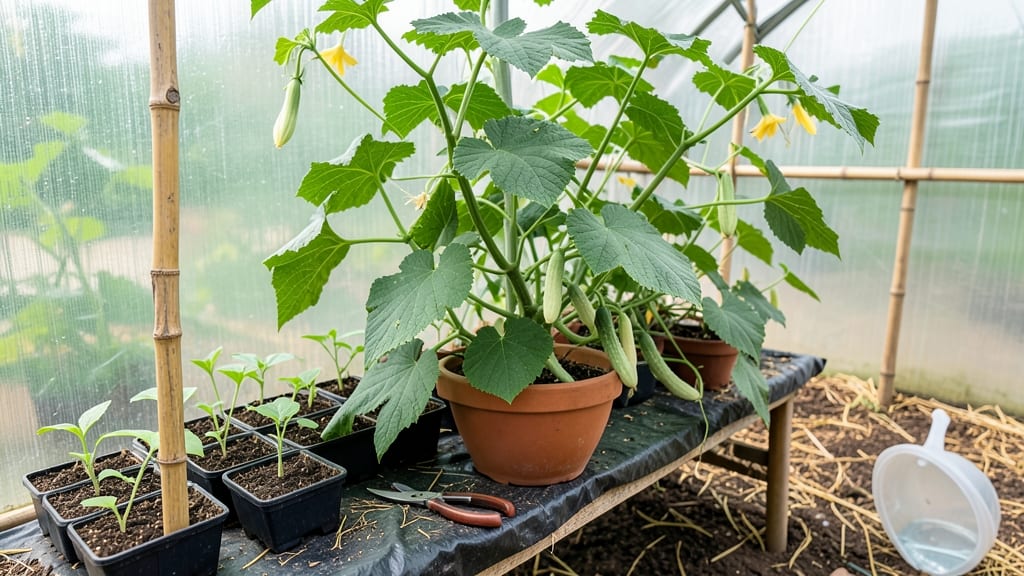
Planting cucumbers in a greenhouse turns a 6-month summer crop into a year-round harvest—no pests, no bolting, just endless vines and crisp fruit whenever you want. 🌱 I learned this the hard way after my first greenhouse season: cucumbers thrive in controlled climates, but they need the right setup to avoid common pitfalls like moldy leaves or stunted growth.
The secret starts with ventilation—even in winter, cucumbers need airflow to prevent powdery mildew. A simple fan or automatic vent opener keeps humidity in check, while well-draining soil (mix equal parts potting mix and compost) prevents root rot.
Plant seeds ½ inch deep, 2-3 feet apart, and use trellises to save space and improve fruit quality.
By mid-summer, you’ll be harvesting slicing cucumbers, pickles, and even mini varieties straight from the vine. The greenhouse protects them from squash bugs and aphids, and with consistent watering at the base (never overhead), you’ll avoid fungal diseases that plague outdoor gardens.
The first harvest arrives in just 6-8 weeks—faster than outdoor plants.
This method works in any climate, from cold northern winters to hot southern summers. The key is monitoring temperature (keep it between 65-85°F) and adjusting light with shade cloth in peak sun.
Once you master it, you’ll never buy cucumbers again—and your neighbors will be jealous of your endless supply.
📚 In This Guide
- What you need
- Instructions
- Tips and common mistakes
- Wrapping up and next steps
What you need
- ● Cucumber Seeds or Seedlings: Choose disease-resistant varieties like 'Straight Eight' or 'Marketmore'. Start with 5–10 seeds per square foot of greenhouse space (or 2–3 seedlings per 12-inch pot).
- ● Growing Medium: Soilless Mix: 50% coconut coir + 50% perlite (sterilized, 1–2 cubic yards for a 10’x10’ greenhouse).
- ● OR Potting Soil: Lightweight, well-draining blend (e.g., Miracle-Gro Potting Mix, 10–20 bags depending on space).
- ● Containers: 5-gallon fabric pots (3–5 per plant) OR
- ● Raised beds (12" deep, filled with growing medium).
- ● Greenhouse Structure: Polycarbonate or glass panels (for light diffusion and temperature control).
- ● Ventilation system: 2–4 exhaust fans (9"–12" diameter) + shade cloth (30–50% coverage).
- ● Drip irrigation kit (with soaker hoses or micro-sprinklers).
- ● Support System: Trellis netting (2’x4’ panels) or bamboo stakes (6–8 ft tall) for vining varieties.
- ● Fertilizer: Balanced 10-10-10 or organic options like fish emulsion (mix 1 tbsp/gallon of water).
- ● Pest Control: Neem oil (1 tsp/gallon) + yellow sticky traps (5–10 traps).
- ● Hand Trowel (for transplanting seedlings).
- ● Garden Gloves (nitrile-coated for durability).
- ● pH Meter (ideal range: 6.0–6.8).
- ● Spray Bottle (for neem oil or foliar feeds).
- ● Pruning Shears (for trimming vines).
- ● Thermometer/Hygrometer (monitor 70–85°F temps).
- ● Grow Lights: LED strips (for supplemental light in cloudy seasons).
- ● Humidity Trays: For seedlings (add pebbles + water).
- ● Row Covers: Lightweight fabric to deter pests.
- ● Compost Tea: Boosts soil microbes (brew at home!).
- ● Harvest Basket: With a soft liner to avoid bruising cucumbers.
Step-by-step instructions for planting cucumbers in a greenhouse
Here’s how I’ve grown pest-free, high-yield cucumbers in greenhouses for over a decade—no black plastic, no chemical sprays, just steady harvests year-round.
🌱 Step 1: Prepare the Greenhouse Soil and Planting Beds
Cucumbers thrive in warm, fertile soil with excellent drainage. I start by removing all weeds and tilling the beds to a depth of 12 inches, incorporating 2-3 inches of compost into the top 6 inches. This ensures roots have room to spread while giving them the organic matter they crave. Test your soil’s pH—cucumbers prefer 6.0-6.8, and I adjust with lime or sulfur if needed.
For greenhouse growing, I avoid fresh manure—it can burn tender roots and attract pests. Instead, I use well-aged compost mixed with a balanced organic fertilizer (like 5-5-5) at planting time. Water the beds thoroughly 24 hours before transplanting to settle the soil and prevent root shock when you set the seedlings in.
☀️ Step 2: Choose the Right Variety and Plant at Peak Time
Not all cucumbers suit greenhouse growing. I stick to parthenocarpic varieties (like ‘Sweet Success’ or ‘Dasher’) that produce fruit without pollination—ideal for enclosed spaces. These also resist common greenhouse pests like cucumber beetles. Plant 4-6 weeks before your last frost date in early spring, or after the hottest part of summer for fall crops.
Seedlings should have 3-4 true leaves and sturdy stems before transplanting. I harden them off for 5-7 days by moving them outdoors for gradually longer periods each day. This toughens the plants so they handle the greenhouse’s microclimate without stress. Space them 24-36 inches apart in rows 3 feet apart to allow airflow and easy harvesting.
🪴 Step 3: Set Up Support and Watering Systems
Cucumbers are vining plants that need strong support to prevent disease and make harvesting easier. I install 3-foot-tall trellises or cages at planting time, driving stakes 12 inches deep for stability. As vines grow, I gently weave them through the supports—never force them, or you’ll break tender stems. For heavy producers, I add horizontal wires every 12 inches to distribute weight.
Greenhouses retain moisture, so consistent watering is key. I use drip irrigation on a timer to deliver 1 inch of water per week, adjusting for humidity. Water in the early morning to reduce fungal risks. Mulch with straw or shredded leaves to retain moisture and suppress weeds—just keep it 2 inches away from stems to prevent rot.
✂️ Step 4: Monitor Light, Temperature, and Pest Prevention
Cucumbers need 6-8 hours of direct sunlight daily, but greenhouse temperatures can spike above 90°F—too hot for optimal growth. I use shade cloth (30-50%) during peak summer hours to keep temps below 85°F. Ventilate the greenhouse daily by opening vents or using a fan to circulate air, which also deters pests like spider mites.
For pest control, I rely on prevention: yellow sticky traps catch flying insects early, and row covers protect seedlings until they’re established. If aphids appear, I spray with neem oil at dusk—it’s organic, effective, and won’t harm bees. Prune yellow or diseased leaves immediately to stop spread, and pinch off male flowers if you’re growing parthenocarpic varieties to redirect energy to fruit production.
🌿 Step 5: Harvest and Extend the Season
Harvest cucumbers when they’re firm and bright green, picking every 2-3 days to encourage more production. Use pruning shears to cut stems cleanly—never pull fruit, or you’ll damage vines. In a greenhouse, you can extend the season into fall by removing old vines after the first frost and replacing them with cold-hardy varieties like ‘Northern Pickling.’
Here’s the thing—I’ve learned that consistent harvesting is the secret to year-round yields. If you let cucumbers overripe on the vine, the plant’s energy shifts to seed production instead of fruit. Store freshly picked cucumbers in the fridge for up to 2 weeks, and you’ll always have fresh ones ready for salads, pickling, or snacking.
Tips & tricks for thriving greenhouse cucumbers
Greenhouse cucumbers reward precision—here’s how to avoid common pitfalls and maximize your harvest.
Soil Preparation Secret: When tilling your 12-inch-deep beds, focus on breaking up compacted layers without disturbing the deeper soil structure. I use a broadfork to aerate gently, then mix in compost only in the top 6 inches—this prevents nutrient loss while giving roots the organic matter they need. After adding compost, lightly rake the surface to create a fine seedbed texture, which improves water absorption and root penetration.
Variety Selection Wisdom: Parthenocarpic cucumbers like ‘Sweet Success’ are non-negotiable for enclosed spaces—they eliminate the need for pollinators and resist cucumber beetles naturally. For best results, purchase seedlings from reputable organic growers rather than starting from seed, as greenhouse seedlings often develop faster. If you do start from seed, use biodegradable pots to avoid transplant shock when moving to the greenhouse.
Temperature Management: The 90°F threshold isn’t just a number—it’s where cucumbers start stressing. I install a maximum-minimum thermometer in my greenhouse to track daily fluctuations. During summer, I deploy shade cloth at 85°F to prevent heat stress, and in winter, I use a small space heater set to 65°F at night to protect young plants. The key is maintaining consistent temps within this range, not just hitting the extremes.
Harvesting Technique: Those 2-3 day intervals between harvests are critical for continuous production. I use a sharp pair of pruning shears to cut stems cleanly at a 45-degree angle, which promotes faster healing and reduces disease entry points. Always harvest in the morning when cucumbers are firmest—this prevents overripe fruit from sapping energy from new growth. Store harvested cucumbers in the fridge with a paper towel in the container to absorb excess moisture and extend freshness.
Pro Tips for Planting Cucumbers In Greenhouse
- Greenhouse cucumbers reward precision—here’s how to avoid common pitfalls and maximize your harvest.
- Soil Preparation Secret: When tilling your 12-inch-deep beds, focus on breaking up compacted layers without disturbing the deeper soil structure.
- Variety Selection Wisdom: Parthenocarpic cucumbers like ‘Sweet Success’ are non-negotiable for enclosed spaces—they eliminate the need for pollinators and resist cucumber beetles naturally.
Frequently asked questions
Got questions about growing cucumbers in your greenhouse?
You’re not alone! Here are answers to the most common queries—so you can grow like a pro.
What’s the best temperature range for cucumbers in a greenhouse?
Cucumbers thrive in 70–90°F (21–32°C) during the day and 60–65°F (15–18°C) at night. Use shade cloth or ventilation fans if temps rise above 95°F (35°C)—heat stress can lead to bitter fruit or blossom drop. A greenhouse thermometer keeps you in the sweet spot!
When should I plant cucumbers in a greenhouse?
Start 4–6 weeks before your last frost date (or year-round in warm climates!). For cooler regions, sow seeds indoors 2–3 weeks before transplanting when soil reaches 60°F (15°C). In greenhouses, you can plant every 2–3 weeks for staggered harvests.
How do I prevent pests like aphids or spider mites in a greenhouse?
Pests love greenhouses! Start with healthy plants (sterilize soil and tools) and inspect new plants before bringing them inside. Use neem oil or insecticidal soap for mild infestations. Introduce ladybugs or lacewings for natural control. Keep humidity low (60% or less) to deter fungal pests too!
Can I grow cucumbers hydroponically in a greenhouse?
Cucumbers adapt well to hydroponic systems like deep water culture (DWC) or nutrient film technique (NFT). Use a balanced hydroponic nutrient solution (e.g., 20-10-20 ratio) and maintain pH 5.8–6.2. Prune vines to improve airflow, and expect faster growth than soil—just monitor for root rot in high humidity!
Why are my cucumber flowers falling off before fruiting?
This is often due to temperature swings (below 55°F/13°C or above 95°F/35°C) or lack of pollination. In greenhouses, hand-pollinate with a small brush if bees aren’t visiting. Check for overwatering or nutrient imbalances (too much nitrogen = more leaves, fewer flowers). A calcium boost (like crushed eggshells) can also help.
Wrapping up and next steps
Growing cucumbers in a greenhouse is a rewarding way to enjoy fresh, pest-free produce all year long! By following the right steps—from selecting disease-resistant varieties to controlling humidity and pollination—you’ll create the perfect environment for a thriving harvest. 🌱
Now that you’re armed with the knowledge, take the next step: sketch a simple greenhouse layout, gather your supplies, and start planting! With patience and care, you’ll soon be savoring homegrown cucumbers that taste even better than store-bought. Happy growing! 🌿