
Planting
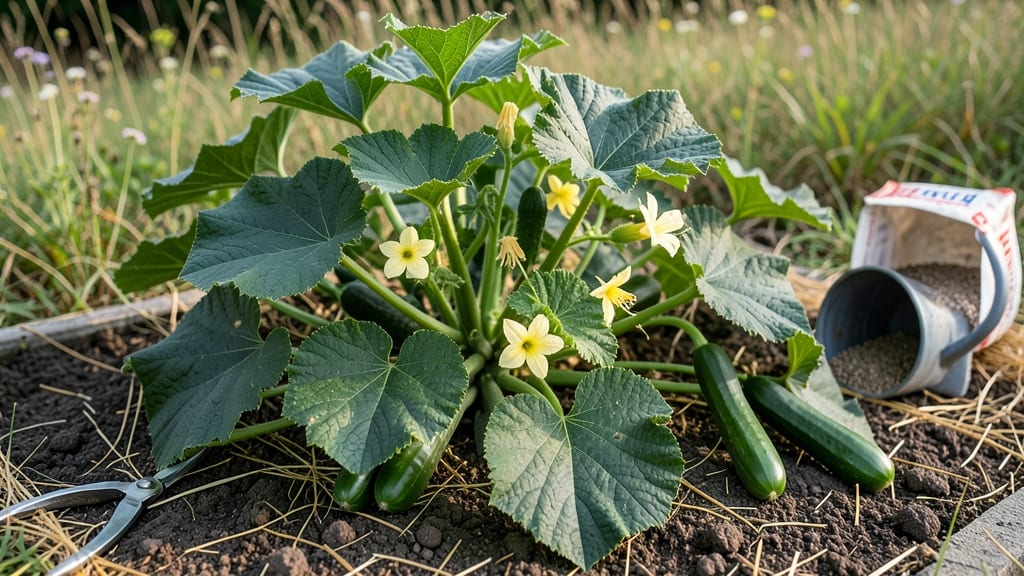
These cucumber plant leaves images I’ve collected over the years reveal all—whether your vines are thriving, wilting, or whispering secrets of trouble with their edges. 🌿 success, while yellowing or spotted leaves scream for attention.
This guide uses real cucumber leaf images to show you exactly what to watch for—from the first tender sprouts to full-size foliage. You’ll learn how to spot powdery mildew’s white coating, aphid clusters, or even nutrient deficiencies before they derail your harvest.
No gardening degree required, just a close look and a few simple fixes.
By the end, you’ll recognize healthy growth instantly and catch problems early. Think of it as a visual cheat sheet for cucumber care: vibrant leaves mean happy plants, and happy plants mean more crisp, homegrown cucumbers all season long.
Works for container gardens, trellises, or sprawling rows—anywhere you grow cucumbers. Let’s get those leaves talking to you instead of warning you.
Root Causes Of Leaf Trouble
Understanding why your cucumber plant leaves develop unusual spots, holes, or yellowing is half the battle—because once you know the why, you can fix it fast! Below, we break down the most common culprits behind leaf issues, with clear science-backed explanations and actionable clues to spot them early.
Cucumber plants thrive in consistent conditions, and when their environment shifts too drastically, leaves react with visible distress. Here’s what’s likely happening:
1. Overwatering or Poor Drainage
Why it happens:
Cucumbers hate "wet feet." When soil stays soggy for too long, roots suffocate from a lack of oxygen, leading to root rot (often caused by Pythium or Phytophthora fungi). The plant then struggles to absorb nutrients, causing:
- Yellowing leaves (chlorosis), starting from the older, lower leaves.
- Wilted or mushy stems (a red flag for advanced rot).
- Stunted growth or no fruit production.
Actionable clues:
- Check the soil 1–2 inches deep—if it’s damp after 24+ hours, you’re overwatering.
- Look for white, fluffy fungal growth on roots (a sign of root rot).
- Pro tip: 💡 Use a moisture meter or the "squeeze test"—if water drips out, wait to water.
2. Underwatering or Heat Stress
Why it happens:
Cucumbers need 1–2 inches of water per week (more in extreme heat). When they’re dehydrated, leaves curl inward (a survival tactic to reduce water loss) and develop:
- Brown, crispy edges (like paper burning).
- Drooping leaves that don’t perk up after watering (a sign of permanent damage).
- Sunburn spots (white or yellow patches on upper leaves) if heat stress hits fast.
Actionable clues:
- Morning wilting = thirsty plant. Water deeply at the base (not leaves) to avoid fungal risks.
- Soil pulls away from pot edges = extreme dryness.
- Pro tip: 🌡️ Mulch with straw or wood chips to retain moisture and shield roots from temperature swings.
3. Nutrient Deficiencies
Why it happens:
Cucumbers are heavy feeders, and poor soil leads to telltale leaf symptoms. Here’s the nutrient detective guide:| Symptom | Likely Deficiency | What’s Missing? |
|---|---|---|
| Yellow leaves with green veins (interveinal chlorosis) | Nitrogen (N) | Slow growth, weak stems |
| Yellowing between veins, purple stems/leaves | Phosphorus (P) | Poor root/fruit development |
| Yellowing edges and tips, brown spots | Potassium (K) | Weak disease resistance, weak vines |
| New leaves small and pale | Magnesium (Mg) | Interveinal yellowing on older leaves first |
Actionable clues:
- Test your soil (pH 6.0–6.8 is ideal for cucumbers).
- Pro tip: ✨ Use Epsom salt (magnesium sulfate) for yellowing leaves—1 tbsp per gallon of water, sprayed on leaves.
Pests and pathogens love cucumber leaves—they’re soft, juicy, and full of nutrients. Here’s how to ID the invaders:
1. Fungal Infections (Powdery Mildew, Downy Mildew)
Why it happens:
Fungi thrive in humid, shady conditions and spread via spores. Look for:
- White powdery coating (powdery mildew) on upper leaves.
- Yellow spots with fuzzy gray/purple undersides (downy mildew).
- Leaves curling and dying as spores block sunlight.
Actionable clues:
- Check leaf undersides first—fungi love hiding there.
- Pro tip: 🔥 Baking soda spray (1 tsp baking soda + 1 quart water + drop of dish soap) every 7–10 days prevents outbreaks.
2. Bacterial Leaf Spot
Why it happens:
Bacteria (Xanthomonas or Pseudomonas) enter through wounds (like insect bites) and cause:
- Water-soaked spots that turn brown/yellow with greasy edges.
- Spots spreading rapidly in warm, wet weather.
- Premature leaf drop, weakening the plant.
Actionable clues:
- Remove infected leaves immediately (don’t compost them!).
- Pro tip: 🎯 Copper fungicide (organic option) or neem oil can slow bacterial spread.
3. Insect Infestations (Aphids, Spider Mites, Cucumber Beetles)
Why it happens:
Tiny pests suck sap, leaving behind:
- Sticky residue (honeydew) + black sooty mold (aphids).
- Fine webbing on undersides (spider mites).
- Chewed leaves with jagged edges (cucumber beetles).
Actionable clues:
- Shake leaves over white paper—pests will reveal themselves.
- Pro tip: 💡 Blast leaves with water (aphids hate it) or introduce ladybugs (natural predators).
Key Takeaway: Most leaf problems stem from either too much/too little water, nutrient gaps, or unwelcome guests. Start with the environment (water/drainage), then check for nutrient signs, and finally inspect for pests/fungi. Act fast—healthy leaves = happy cucumbers! 🥒🌱
Revive Your Cucumber Leaves
When your cucumber plant leaves show signs of distress, quick action can save your harvest. Below are practical, step-by-step solutions tailored to common issues—from fungal infections to pest invasions—along with prevention tips to keep your plants thriving. Think of this as your cucumber plant first-aid kit!
Cause: Pale or yellow leaves often signal nitrogen deficiency, poor drainage, or root stress. How to Fix It:
- 🔥 Test Your Soil: Use a soil pH test kit (ideal range: 6.0–6.8). Amend with compost or aged manure if acidic.
- 💧 Adjust Watering: Let the top 1–2 inches of soil dry out between waterings. Yellowing from overwatering? Improve drainage with perlite or sand.
- 🍽️ Feed Your Plant: Apply a balanced fertilizer (10-10-10) or a nitrogen-rich option like fish emulsion. For organic growers, try alfalfa meal or blood meal.
💡 Prevention Tip:
- Mulch around plants to retain moisture and regulate soil temperature.
- Rotate crops annually to prevent nutrient depletion.
Cause: Chewed edges, sticky residue (honeydew), or webbing mean pests are feasting on your leaves. How to Fix It:
- 🔪 Manual Removal: Rinse plants with a strong spray of water to dislodge aphids or mites. Use a soft brush for stubborn pests.
- 🌿 Natural Sprays:
- Neem oil (1 tsp per quart of water + drop of dish soap) – spray every 5–7 days until pests vanish.
- Soap solution (1 tbsp mild castile soap per gallon of water) – test on a small leaf first.
- 🐞 Introduce Beneficial Insects: Ladybugs or lacewings devour aphids and mites. Buy them online or attract them with dill or fennel planted nearby.
💡 Prevention Tip:
- Row covers (floating fabric) block cucumber beetles while allowing pollination.
- Interplant with marigolds or basil to repel pests naturally.
Cause: White powdery patches or yellow, crinkled leaves = fungal infections, often from high humidity or poor airflow. How to Fix It:
- 🌬️ Improve Airflow: Space plants 12–18 inches apart and prune crowded vines.
- ☀️ Increase Sunlight: Fungi thrive in shade. Ensure 6–8 hours of sunlight daily.
- 💦 Fungicide Sprays:
- Baking soda spray (1 tsp baking soda + 1 quart water + drop of soap) – spray weekly.
- Copper fungicide (follow label instructions) for severe cases.
- 🌱 Remove Infected Leaves: Snip off heavily affected foliage and dispose of it away from the garden.
💡 Prevention Tip:
- Water at the base (avoid wetting leaves) to reduce fungal spores.
- Rotate crops—don’t plant cucumbers in the same spot yearly.
Cause: Floppy leaves often mean thirsty roots or heat shock, especially in hot climates. How to Fix It:
- 💧 Deep Watering: Stick your finger 2 inches into soil—if dry, water slowly and deeply until it drains from the bottom.
- 🌡️ Provide Shade: Use shade cloth (30–50%) during peak afternoon sun (12–4 PM).
- 🌿 Mulch Heavily: Apply 2–3 inches of straw or wood chips to retain moisture and cool roots.
💡 Prevention Tip:
- Morning watering is best—avoid evening water to prevent fungal growth.
- Drip irrigation keeps soil consistently moist without wetting leaves.
If your cucumber plant looks beyond repair, try this last-resort rescue:
- 🌱 Prune Back: Cut 1/3 of the plant to reduce stress and redirect energy.
- 💧 Hydrate & Feed: Water deeply, then apply a high-potassium fertilizer (like banana peel tea) to boost recovery.
- 🌿 Move to Shade: Relocate to a cooler, shadier spot for 1–2 weeks to recover.
✨ Pro Tip: Always inspect leaves daily—catching problems early (like tiny holes or yellow spots) means less damage and faster fixes! 🌿
Frequently asked questions
What do healthy cucumber leaves look like?
Healthy cucumber leaves are deep green, glossy, and smooth-edged with prominent veins. They should feel firm to the touch and grow in a lobed or heart shape, typically 3–6 inches wide. Look for vibrant color—any dullness or discoloration signals trouble.
How can I tell if my cucumber plant has powdery mildew from just looking at the leaves?
Powdery mildew appears as a white, powdery coating on the upper surfaces of leaves, often starting between veins. Check the leaf undersides too—you may see yellow spots or gray fuzz. Unlike healthy leaves, infected ones will feel dry and papery and may curl or die back. Act fast with a baking soda spray!
Are there different types of cucumber leaves I should recognize?
Yes! Seedling leaves are small, round, and simple (no lobes), while mature leaves develop 3–7 lobes with serrated edges. Variegated varieties may show white or yellow streaks, and some heirloom types have deeply jagged edges. Always compare your leaves to trusted images—this helps spot early signs of pests or disease.
What’s the best way to photograph cucumber leaves for diagnosis?
Use natural light and include a ruler or coin for scale. Capture both top and bottom of leaves, focusing on edges, veins, and any spots. A white background helps highlight colors. For close-ups, use your phone’s macro mode or prop the leaf up with a small stand. Compare your photos to our gallery for quick ID!
Can I use my phone to identify cucumber leaf problems?
Apps like PlantNet or PictureThis let you upload leaf photos for instant pest/disease ID. For cucumbers, focus on leaf shape, color changes, and texture. If unsure, compare your photos to our healthy vs. diseased side-by-side images. Always check both sides of leaves—pests hide there!