
Plants
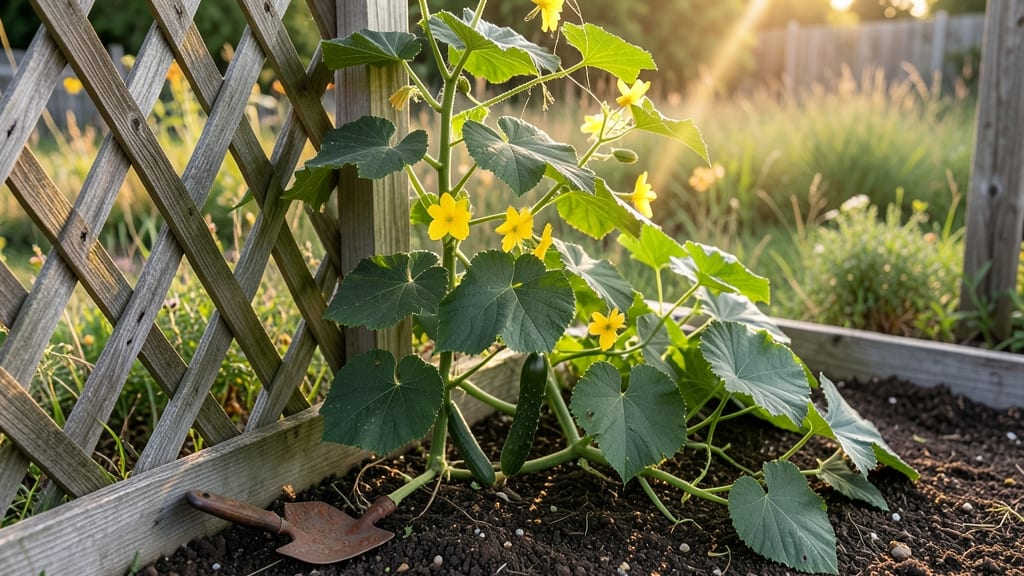
Do cucumber plants need full sun, but the answer isn’t as black-and-white as you might think—especially when heat or pests become a problem.
If you’ve ever watched your cucumber vines wilt despite plenty of water—or seen neighbors swear by partial shade—you’re not alone. The truth is, while 6–8 hours of sunlight is ideal, too much direct heat can stress these plants, especially in hot climates like Zone 6a.
Balancing sunlight is the key to avoiding leaf scorch, poor fruiting, or even powdery mildew. The right approach depends on your region, soil, and even how you train your vines.
Here’s how to give your cucumbers the perfect mix of sun and shade for bigger yields and healthier plants, whether you’re growing them in a garden bed or containers.

How much sun do cucumber plants actually need?
Cucumber plants thrive in full sun, but the 6-8 hours daily rule isn’t set in stone. While they need plenty of light for optimal growth, too much direct sun in hot climates can actually stress your vines.
The key is finding that sweet spot where your cucumbers get enough energy for fruit production without overheating or inviting pests like spider mites.
Most gardeners assume full sun means no shade at all, but cucumbers—especially in regions with intense afternoon heat—often perform better with partial afternoon shade. This isn’t about cutting sunlight short; it’s about managing heat stress.
Studies show that cucumbers exposed to 100°F+ temperatures for extended periods can experience reduced pollination and bitter fruit, even if they’re well-watered.
Here’s the science-backed breakdown: Cucumbers are C3 plants, meaning they rely on direct sunlight for photosynthesis but can’t handle the photoinhibition that occurs when leaves overheat. In cooler climates (USDA Zones 3-6), they’ll happily soak up 8+ hours of sun. But in Zone 9 or hotter, even 6 hours of morning sun with afternoon shade can yield healthier plants.
| Sunlight Requirement | Ideal Exposure | Growth Impact | Best For |
|---|---|---|---|
| Full Sun (6-8 hours) | Morning sun + afternoon shade in hot climates | Optimal vine growth, high yield, sweet fruit | Temperate zones (Zones 3-7) |
| Partial Shade (4-6 hours) | Dappled light or filtered sun (e.g., 30% shade cloth) | Slower growth, smaller fruit, but fewer pests | Hot climates (Zones 8-11), containers |
| Too Much Sun (>10 hours) | Direct midday sun without shade | Leaf scorch, bitter fruit, reduced pollination | Desert regions, unshaded beds |
| Too Little Sun (<4 hours) | Deep shade (e.g., under trees) | Leggy vines, poor flowering, no fruit | North-facing windows, dense foliage |
If you’re growing bush cucumber varieties (like 'Bush Champion'), they’re slightly more adaptable to partial shade than vining types. But even these benefit from at least 4-5 hours of direct sun to set fruit.
The trade-off? Shade reduces yield, but it can prevent powdery mildew, a common issue in humid, sunny conditions.
My pro tip: Use a shade cloth (30-50% block) during peak afternoon hours (12 PM–4 PM) in hot zones. This mimics the natural dappled light cucumbers get under larger plants in their native habitat. You’ll see fewer sunburned leaves and healthier vines without sacrificing too much growth.
For container growers, morning sun paired with afternoon shade works best. Place pots where they get 6 hours of sun but avoid the hottest part of the day.
If your balcony faces south, move containers to a north-facing spot after 2 PM. This small adjustment can mean the difference between wilting vines and bountiful harvests.
Don’t overlook microclimates in your garden. A spot near a brick wall or pavement might get extra heat, effectively reducing usable sunlight for cucumbers. Test your garden’s sun exposure for a week before planting—mark areas with a sun gauge or use a sun calculator app to track hours accurately.
Remember, sunlight isn’t the only factor. Cucumbers also need consistent moisture and well-draining soil to handle partial shade. If you’re reducing sun exposure, increase watering frequency slightly to compensate for slower photosynthesis. Aim for 1-1.5 inches of water per week, especially during fruiting.
So, do cucumbers need full sun? The answer is yes—but with flexibility. Think of it like a sunset: they need the golden hours of morning light, but too much midday heat can burn them out.
Balance is everything, and your cucumbers will thank you with crisp, sweet fruit all season long. 🌱☀️
Signs your cucumbers are getting too much or too little sun
Cucumber plants thrive in 6–8 hours of sunlight daily, but their vines can reveal subtle (or dramatic) clues when conditions stray from ideal. Too much sun often causes crispy edges on leaves, while too little leads to pale, leggy growth and sparse fruit.
Understanding these signs helps you adjust shade or sunlight before your harvest suffers.
In hot desert climates (Zones 9–11), cucumbers may need afternoon shade to prevent leaf scorch or heat stress. Meanwhile, in cooler regions like Pacific Northwest (Zones 7–8), morning sun paired with afternoon shade can boost yields by extending the growing season.
The key is balance—your cucumbers aren’t just chasing sunlight; they’re avoiding stress.
⚠️ Too Much Sun = Cucumber Crisis
Watch for:
- Brown, crispy leaf edges (like paper burning)
- Yellowing between veins (scorch pattern)
- Fewer flowers/fruit (plant conserves energy)
Action: Provide 30–50% shade cloth in peak afternoon sun (12–4 PM). Mulch with straw or grass clippings to retain moisture.
If your cucumber leaves develop yellow patches with crispy edges, your plants are likely suffering from sunburn. This often happens when vines sprawl on hot soil or face intense midday rays. Bush varieties (like 'Bush Champion') are slightly more tolerant, but even they need protection in extreme heat.
Prune lower leaves to improve airflow and reduce direct contact with scorching surfaces.
On the flip side, pale green or yellow leaves and stretched, weak vines signal light deprivation. Cucumbers grown in partial shade (3–6 hours of sun) may produce smaller fruit or none at all.
Check for nearby trees, fences, or buildings casting shadows. If relocating isn’t an option, use a reflective mulch (like white gravel) to bounce extra light onto the vines.
Regional tweaks matter: In temperate climates (Zones 4–6), cucumbers often thrive with morning sun and afternoon shade to prevent bolting (premature flowering). In contrast, tropical zones (Zones 10–12) require dappled shade year-round to avoid wilting.
Observe your plants’ growth patterns—if vines grow slowly but leaves stay dark green, they’re likely getting just enough light.
Pro tip: Harvest frequency can also indicate sunlight issues. Cucumbers need energy from sunlight to produce fruit, so if you’re picking fewer than 3–5 cucumbers per plant weekly, reassess their light exposure.
Combine this with consistent watering (1–1.5 inches per week) and balanced fertilizer (5-10-10 NPK) to keep vines vigorous. 🌱