
Companion Plants
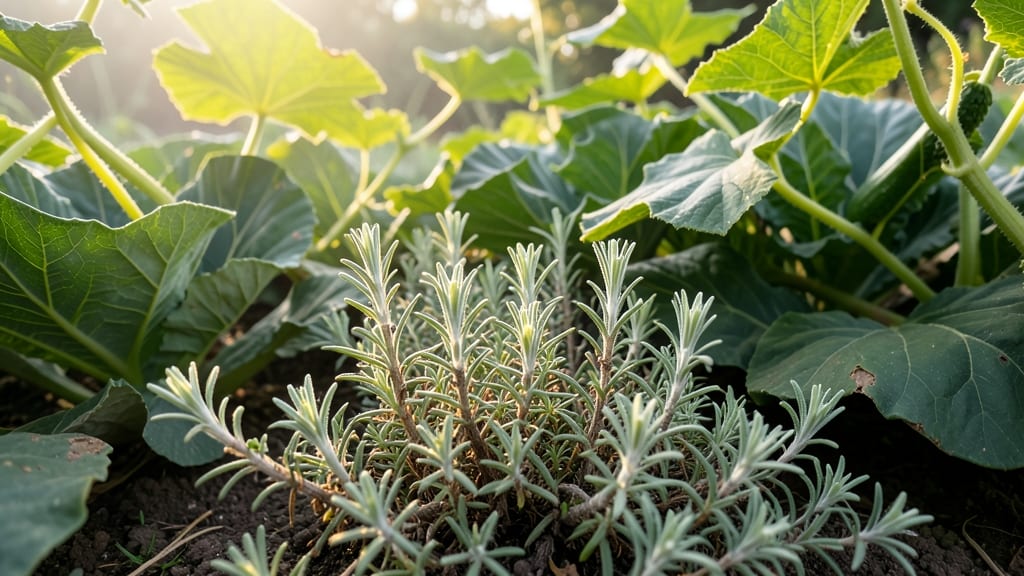
Struggling with pests or poor yields in your garden? Cabbage and cucumbers thrive when planted together, but not all pairings are equal. These ten proven companion planting combinations maximize growth, deter pests, and enhance flavor—all while working with your garden’s ecosystem.
Dill and Cabbage Near Cucumber Patches
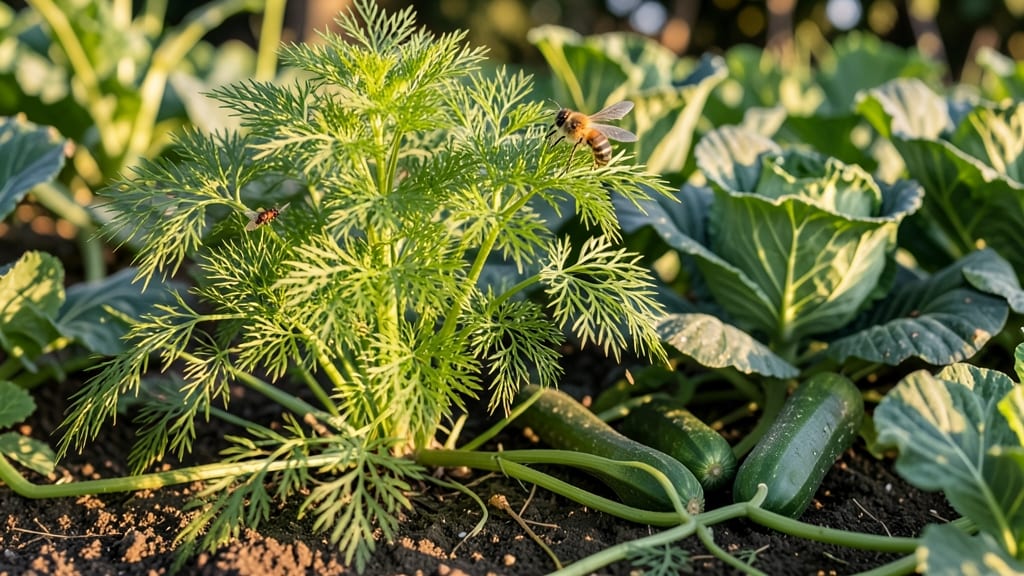
Tired of battling cabbage moths and cucumber beetles in your organic garden? Dill might be your secret weapon. This feathery herb doesn’t just add flavor to your kitchen—it confuses cabbage moths with its strong scent while luring in beneficial wasps that prey on cucumber beetles, creating a natural pest-control system.
Plant dill just 12-18 inches away from your cabbage and cucumber patches to maximize its pest-deterring effects. The key is to sow dill seeds directly in the soil after the last frost, as it thrives in full sun to partial shade. For best results, let it bolt and flower—this is when it attracts the most wasps. Harvest the leaves as needed, but leave some stems to flower and support the ecosystem.
This pairing is perfect for organic gardeners who want to reduce chemical use while boosting biodiversity. Plus, you’ll get fresh dill for soups and salads—it’s a win-win! 🌱
Marigolds Surrounding Both Plants
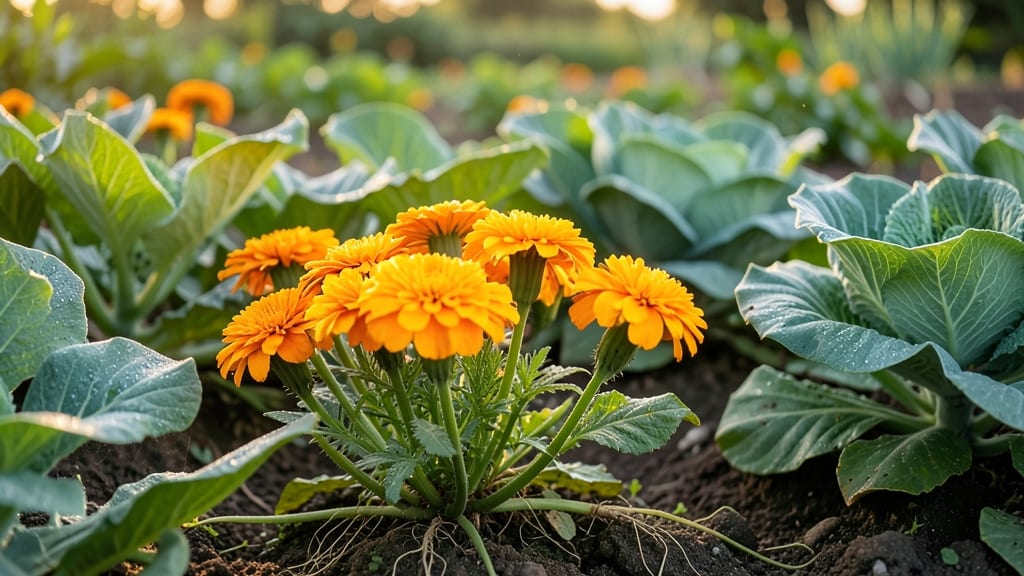
Want a pest-fighting powerhouse that requires almost no effort? Marigolds are the secret weapon for protecting both your cabbage and cucumber crops with their bright, cheerful blooms.
These hardy annuals release compounds that repel nematodes—microscopic worms that devastate cucumber roots—and their strong scent confuses cabbage worms, keeping them away from your brassicas. Plant them in a 12-inch border around both crops, and their drought-tolerant nature means they thrive even in hot, dry spells. Bonus: Their vibrant flowers attract pollinators, giving your cucumbers an extra boost.
Perfect for beginner gardeners or busy growers, marigolds deliver year-round pest control with minimal maintenance—just deadhead spent blooms to encourage more flowers. 🌻
Nasturtiums Interplanted with Cabbage
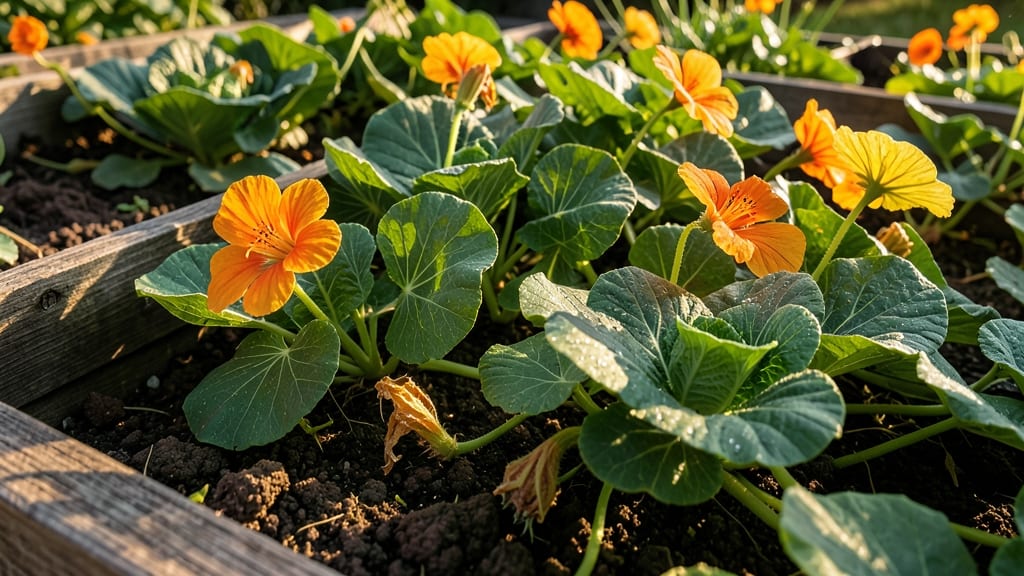
Small-space gardeners and salad lovers, rejoice—nasturtiums are the ultimate multi-taskers when planted alongside cabbage. These vibrant annuals don’t just add a pop of color; they actively trap aphids on their sticky leaves while keeping cabbage maggots at bay, giving your plants a natural shield.
Sow nasturtium seeds around the base of cabbage plants in early spring or late summer for a second harvest. Their edible flowers and leaves (peppery taste!) can be snipped for salads or garnishes, turning pest control into a culinary bonus. Just keep them well-watered—they thrive in partial sun and bloom prolifically from spring through fall.
This pairing is perfect for containers or tight garden beds, where every plant earns its keep. 🌻
Bush Beans Near Cucumber Vines
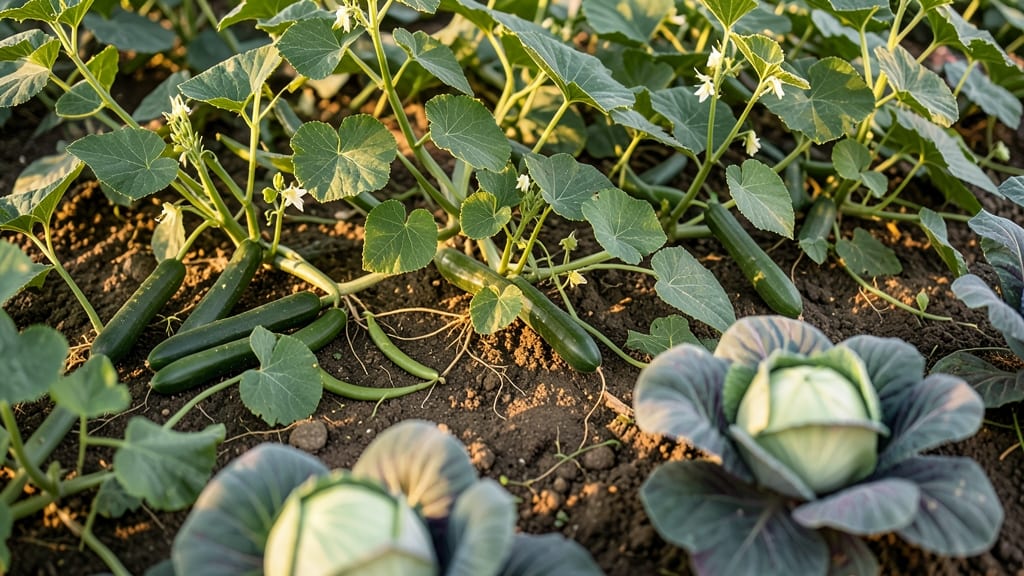
Want to grow bigger cucumbers and healthier cabbage without extra fertilizer or fuss? Planting bush beans near your cucumber vines does the work for you—naturally. These hardworking plants fix nitrogen in the soil, creating a nutrient boost that both cucumbers and cabbage will love, while their upright growth shields cucumber roots from scorching afternoon sun.
Position bush beans about 12-18 inches away from cucumber vines to avoid root competition, but close enough to maximize shade benefits. The beans’ nitrogen-fixing roots improve soil fertility for future plantings too, making this a long-term garden investment. For best results, choose compact varieties like 'Blue Lake' or 'Contender' that stay tidy in small spaces.
This pairing is especially valuable for gardeners with limited compost or those practicing organic methods. The beans’ dual benefits—soil enrichment and shade—make them a must-try for any cucumber-cabbage plot. 🌱
Chives Between Cabbage Rows
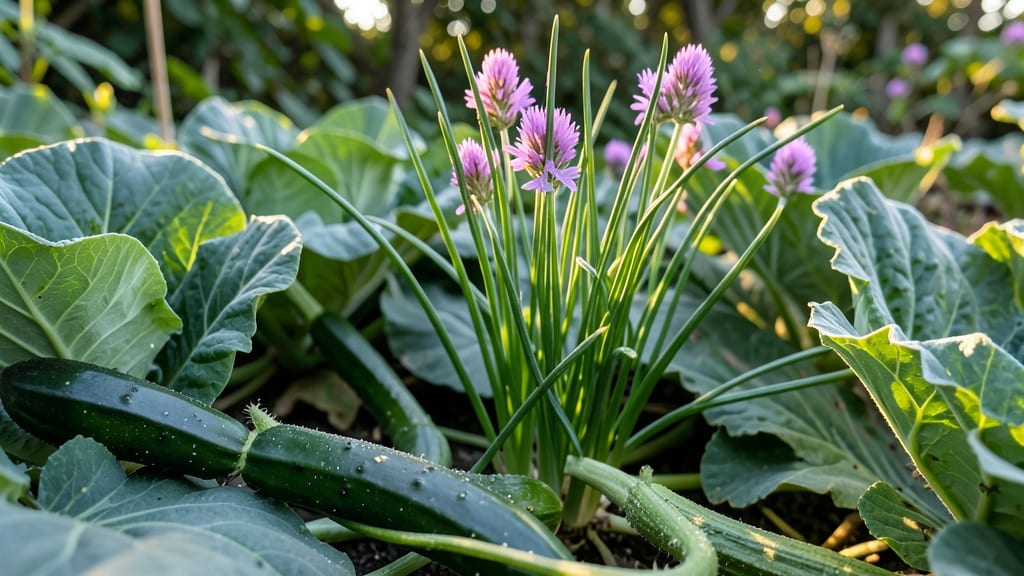
Struggling with cabbage moths or aphids ruining your harvest? Chives are the unsung hero of the cabbage-cucumber duo, offering triple protection in a single plant. Their sharp onion scent confuses cabbage moths while repelling aphids that love cucumbers, and their pretty purple flowers double as a pollinator magnet for better fruit set.
Plant chives in rows between cabbage heads or along cucumber trellises for maximum coverage. They thrive in full sun to partial shade and prefer well-draining soil—perfect for container gardens or raised beds. Snip leaves as needed for cooking, and let the flowers go to seed to keep beneficial insects visiting all season.
This is the ideal solution for gardeners who want low-maintenance pest control without chemicals. Plus, chives are perennial in most climates, so you’ll get free protection year after year. 🌱
Radishes as Trap Crops
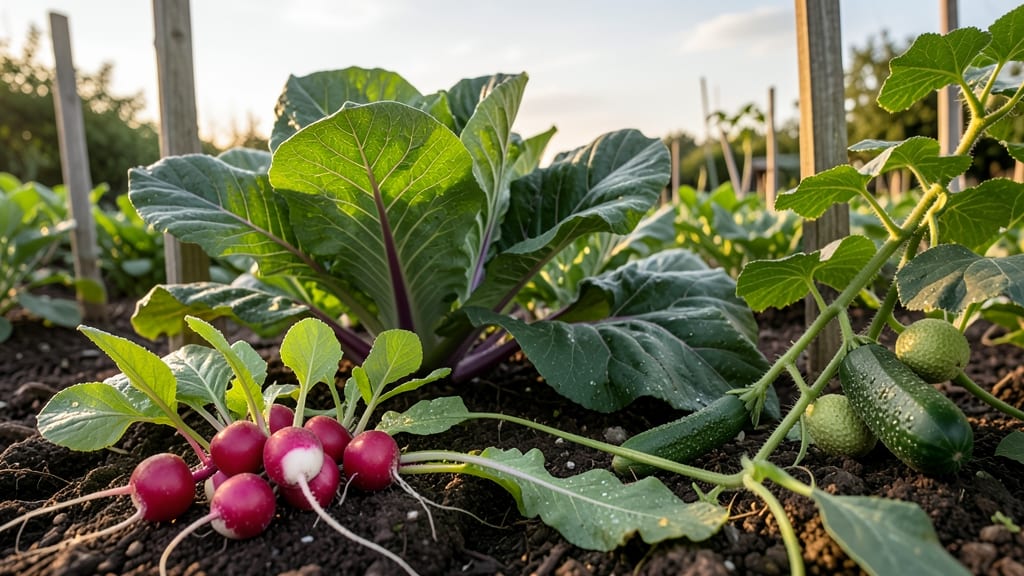
Want to outsmart cabbage root flies without harsh chemicals? Plant radishes as your secret weapon—they grow fast enough to lure pests away from your cabbage while keeping cucumbers happy.
Radishes mature in just 25-30 days, giving them time to attract flies before cabbage becomes vulnerable. Their shallow roots won’t compete with cucumber vines, making them perfect for interplanting. Simply sow radish seeds around cabbage plants in early spring or late summer for two pest-free harvests.
This trick works especially well for urban gardeners with limited space or beginners testing companion planting. 🌱
Borage Plants Near Cucumber Trellis
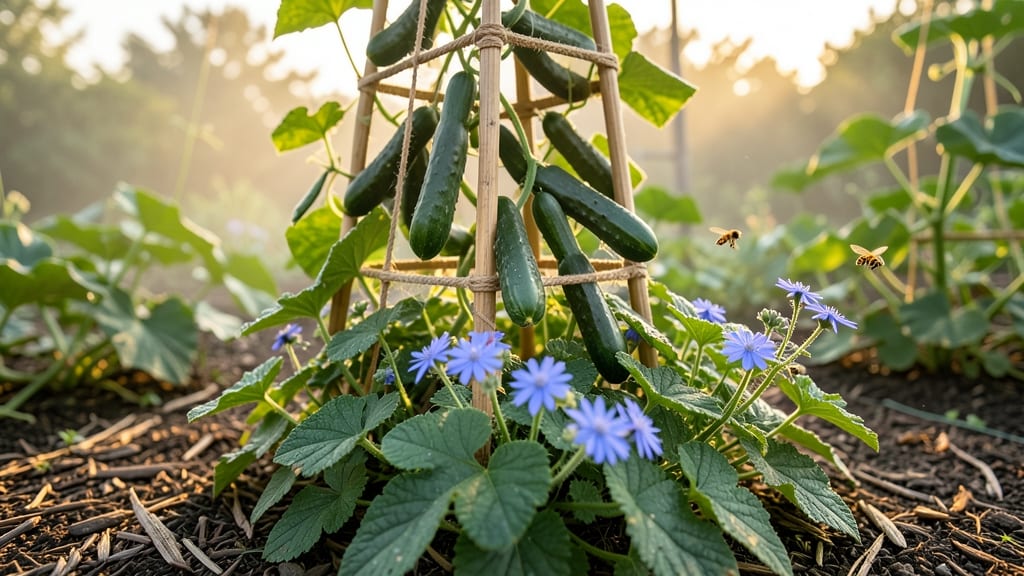
Want to protect your cucumbers from tomato hornworms while also boosting their flavor? Plant borage at the base of your cucumber trellis. This hardy annual not only deters those voracious caterpillars with its strong scent but also attracts pollinators like bees, ensuring your cucumbers grow sweeter and more abundant.
Borage thrives in full sun to partial shade and grows quickly—plant seeds directly in the soil after the last frost. Its edible flowers add a cucumber-like taste to salads, making it a dual-purpose companion. Just keep it watered during dry spells to prevent bolting.
This is a game-changer for gardeners who struggle with hornworms or want to maximize cucumber yields without chemicals. 🌱
Garlic Bulbs Around Cabbage Bases
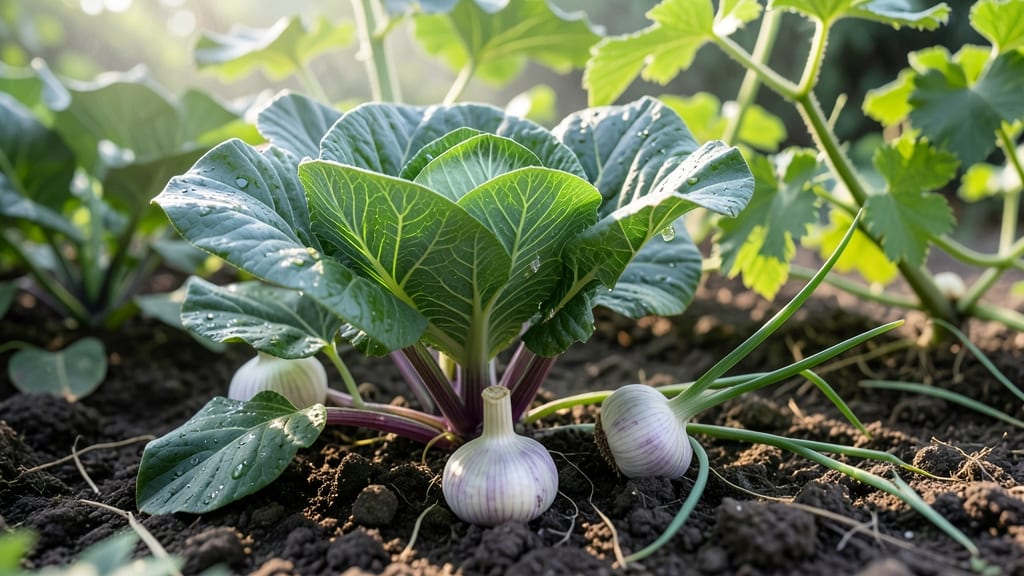
Tired of battling cabbage worms and cucumber beetles every season? Planting garlic bulbs around your cabbage bases might be the natural solution you’ve been missing. The sulfur compounds released by garlic act as a long-term pest deterrent, creating a protective barrier that lasts all season.
Simply place garlic bulbs about 6 inches away from cabbage plants at the start of the growing season. As they sprout, their strong aroma confuses pests while also repelling cucumber beetles from nearby vines. Unlike fast-acting repellents, garlic’s effects build over time, making it a low-maintenance way to keep pests at bay without chemicals.
This method is perfect for gardeners who want a long-term solution that works year after year. Plus, you’ll get a bonus harvest of flavorful garlic to use in your kitchen! 🌱
Sunflowers as Living Trellis
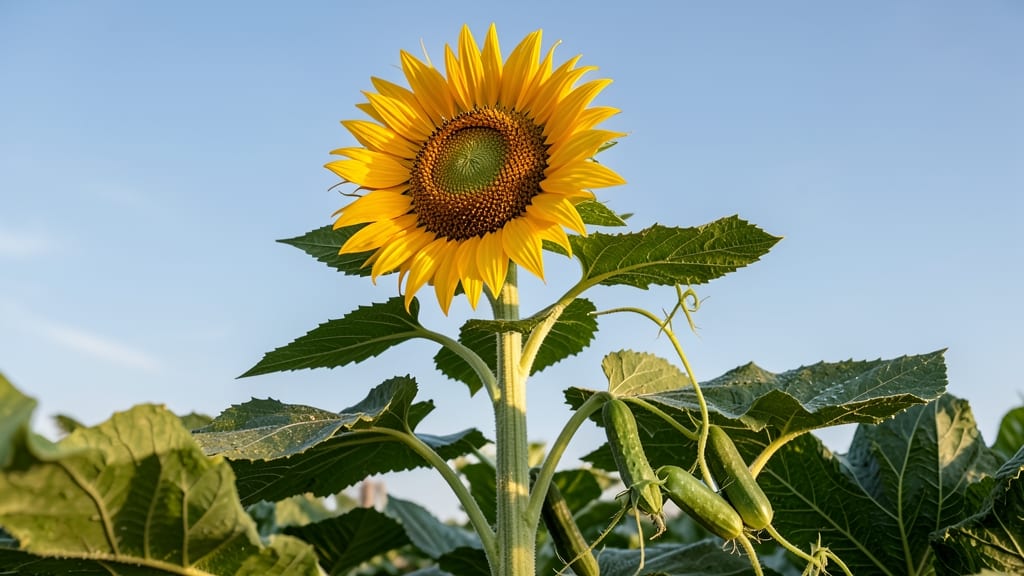
If your garden is short on space but packed with ambition, sunflowers are the unsung heroes you’ve been missing. These towering beauties double as a natural trellis for cucumbers while creating a pest-free zone for cabbage—all without taking up extra ground.
Plant sunflower varieties like 'Mammoth' or 'Russian Giant' (6-12 feet tall) near your cucumber patch. As the vines grow, they’ll naturally wind up the sunflower stalks, saving you the hassle of installing trellises. The broad leaves cast dappled shade that keeps cucumber fruits cooler and reduces sunscald. Meanwhile, sunflowers attract predatory wasps that hunt cabbage worms and aphids, giving you a free pest control service.
This combo is perfect for small-space gardeners or anyone tired of wrestling with flimsy trellis systems. Just be sure to harvest sunflower seeds before they attract birds—otherwise, you’ll get a free show instead of a harvest! 🌻
Thyme Ground Cover Under Plants

Tired of slugs munching your cabbage leaves or cucumber beetles ravaging your vines? Thyme isn’t just a kitchen staple—it’s a powerhouse ground cover that works silently beneath your plants to protect them naturally. Its woody stems create an impenetrable barrier for slugs, while its fragrant oils confuse pests like cucumber beetles before they even reach your crops.
Plant creeping thyme or common thyme in a 6-inch-wide band around cabbage and cucumber bases, letting it spread into a dense mat. The plant thrives in full sun to partial shade and requires minimal water once established, making it perfect for drought-prone areas. Its shallow roots won’t compete with cucumbers, and the improved soil structure from its growth encourages better root development in both plants.
Urban gardeners and small-space growers will love thyme’s versatility—it works equally well in containers or raised beds. Plus, you’ll enjoy its delicate purple flowers and fresh aroma while watching your cabbage and cucumbers flourish. 💚