
How To
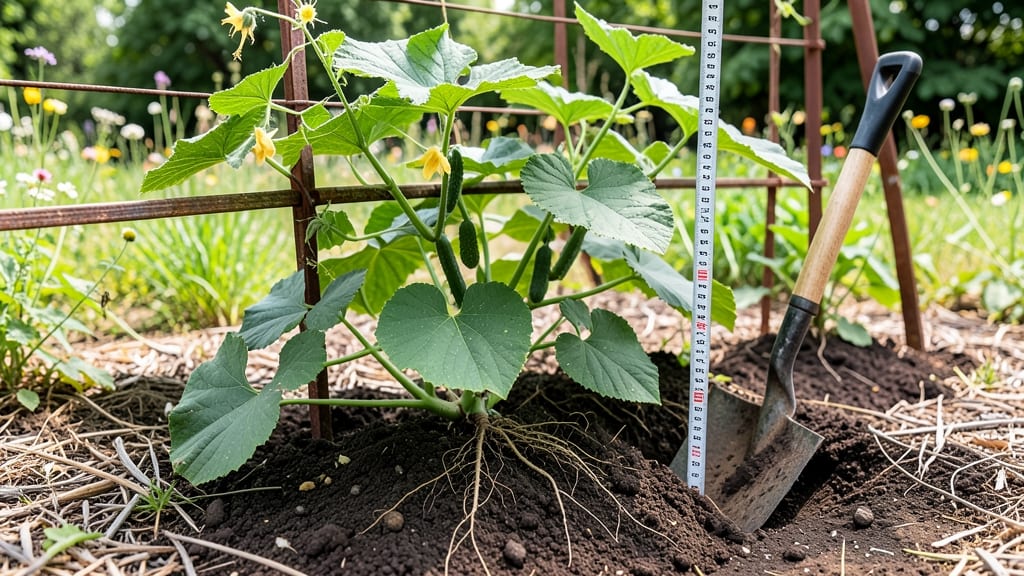
Cucumber roots typically spread 1–2 feet deep and 2–3 feet wide—but getting the planting depth wrong can mean the difference between a thriving vine and a struggling one.
You’ve probably heard that cucumbers need 1 inch of soil over the seed, but what happens if you bury them too deep? The roots may rot before they even reach the surface, or the stem could weaken, inviting pests like squash bugs.
Worse, shallow planting can leave the plant vulnerable to heat stress in summer’s peak.
Soil type plays a huge role: clay holds moisture but can suffocate roots, while sandy soil drains too fast, forcing roots to grow deeper in search of water.
That’s why adjusting depth based on your garden’s makeup—whether you’re in Zone 6a or a warmer region—can mean the difference between a bountiful harvest and a disappointing one.
In this guide, I’ll break down the science-backed depth for seeds vs. transplants, how to tell if your cucumbers are struggling because of planting mistakes, and the easy adjustments to make for healthier roots all season long.
Optimal cucumber root depth: what science and gardeners agree on
Cucumbers thrive when planted at the right depth, but many gardeners struggle with this critical detail. The root system of cucumbers spreads 12-18 inches wide but grows 1-2 feet deep in ideal conditions.
Planting too shallow or too deep disrupts this balance, leading to poor nutrient uptake or rotten seeds. Understanding the science behind cucumber roots helps you maximize yield and plant health.
For direct-sown seeds, the general rule is 1 inch deep in well-draining soil. This shallow depth allows the delicate seedling to break through the soil surface without struggling. Transplants, however, need a slightly deeper start—1-2 feet deep—to accommodate their established root systems.
The key is matching the planting depth to the soil type and climate in your garden.
Cucumber Root Depth Guide
| Planting Method | Seed Depth | Root Spread | Soil Type Notes |
| Direct-Sown Seeds | 1 inch | 12-18 inches wide | Loamy soil: ideal; Sandy: add compost |
| Transplants | 1-2 feet deep | 1-2 feet deep | Clay soil: loosen before planting |
| Container-Grown | 1 inch (surface layer) | 12 inches max depth | Use fast-draining mix |
The root structure of cucumbers consists of a taproot (primary root) and lateral roots that spread horizontally. The taproot grows downward, while lateral roots branch out to absorb water and nutrients. In loamy soil, roots expand more freely, reaching 1-2 feet deep within 4-6 weeks of planting.
In contrast, clay soil can restrict root growth, requiring deeper planting to encourage downward expansion.
Soil compaction is another critical factor. Compacted soil limits oxygen flow to roots, stunting growth. To combat this, amend heavy soils with compost or sand before planting.
For sandy soils, add organic matter to retain moisture and nutrients. These adjustments ensure cucumber roots develop optimally, supporting healthy vine growth and fruit production.
Experts recommend planting cucumbers in warm soil (at least 60°F) to prevent seed rot. If your climate has cool springs, use black plastic mulch to warm the soil faster. This practice also helps shallow roots establish quicker, reducing the risk of damping-off disease.
Always plant seeds or transplants when the soil temperature is consistent for at least 1-2 weeks.
For vertical-growing varieties, like those trained on trellises, deeper planting (up to 2 feet) can support stronger stems. However, avoid planting too deep, as this can cause stem rot or weak growth above soil level.
The goal is to balance root depth with above-ground support, especially for heavy-fruiting varieties like 'Straight Eight' or 'Marketmore'.
Mulching around cucumber plants after they sprout helps maintain even soil moisture and prevents temperature fluctuations. Organic mulches, like straw or shredded leaves, also improve soil structure over time, making it easier for roots to penetrate deeper.
This simple step can increase your cucumber yield by 20-30% by reducing stress on the root system.
If you're growing cucumbers in containers, choose pots at least 12 inches deep to accommodate root growth. Smaller containers restrict roots, leading to stunted plants and lower yields.
Always use a well-draining potting mix with added compost to replicate garden soil conditions. Container-grown cucumbers also benefit from regular deep watering to prevent root dehydration.
Monitor your cucumber plants for signs of root stress, such as yellowing leaves or stunted growth. These symptoms often indicate planting depth issues or poor soil conditions. Adjust your approach by loosening compacted soil, adding organic matter, or repotting if necessary.
With the right depth and soil care, your cucumbers will develop a robust root system and produce abundant harvests all season.
Remember, the ideal planting depth isn't just about numbers—it's about creating the perfect environment for your cucumber roots to thrive. Pay attention to your soil, climate, and plant variety, and you'll be rewarded with healthy vines and delicious cucumbers all summer long. 🌱🥒
Common cucumber planting mistakes that stunt root growth
Even experienced gardeners sometimes make critical mistakes when planting cucumbers that directly impact root development. Incorrect planting depth is one of the most common errors, leading to weak stems, poor nutrient uptake, or even seed rot.
Cucumbers are particularly sensitive to how deep they're planted because their roots spread wide but stay relatively shallow—typically between 12 to 24 inches deep in ideal conditions.
Another frequent mistake is ignoring soil compaction around the planting hole. Compacted soil restricts root expansion, forcing roots to grow in a confined space.
This often happens when gardeners pack soil too tightly after planting or fail to loosen the ground before sowing. Over-planting is also a silent killer—crowding cucumber plants stresses their roots and increases competition for water and nutrients.
⚠️ callout warning ⚠️
Signs of over-planting include yellowing leaves, stunted growth, and powdery mildew. If you've already planted too closely, thin seedlings to 12–18 inches apart immediately. For depth issues:
- Too deep (below 2 inches): Dig up seedlings and replant at 1-inch depth.
- Too shallow (less than ½ inch): Gently cover roots with soil and press lightly.
Pro tip: Use a soil thermometer to ensure soil is 60–70°F before planting—cold soil slows root development.
Let’s tackle the first mistake: burying seeds too deep. Cucumber seeds need just 1 inch of soil coverage to germinate properly. Planting them deeper than this creates an oxygen-deficient environment, which can lead to seed rot or delayed germination.
I’ve seen gardeners accidentally bury seeds 2–3 inches deep, thinking they’re helping the roots. Instead, they’re inviting fungal diseases and stunted growth.
On the flip side, planting cucumbers too shallow causes another set of problems. Seeds left less than ½ inch deep may dry out before sprouting or get washed away by rain. Shallow planting also leads to weak stems because the root system struggles to anchor the plant.
If you notice seedlings leaning or toppling over, it’s a clear sign the roots aren’t getting enough support from the soil.
Soil compaction is another sneaky issue that many gardeners overlook. When soil is packed down—whether from foot traffic, heavy tools, or even rain—it creates a hardpan layer that roots can’t penetrate.
To fix this, use a garden fork to loosen the soil 6–8 inches deep before planting. Mix in compost or aged manure to improve soil structure and encourage root growth.
Finally, over-planting cucumbers is a common rookie mistake that leads to poor root development. Cucumbers need 2–3 feet of space between plants to spread their roots and vines properly. If you’re growing them in rows, space the rows 3–4 feet apart to allow airflow and reduce disease risk.
Thin seedlings early to avoid competition—this gives each plant room to develop a strong root system.