
Tools
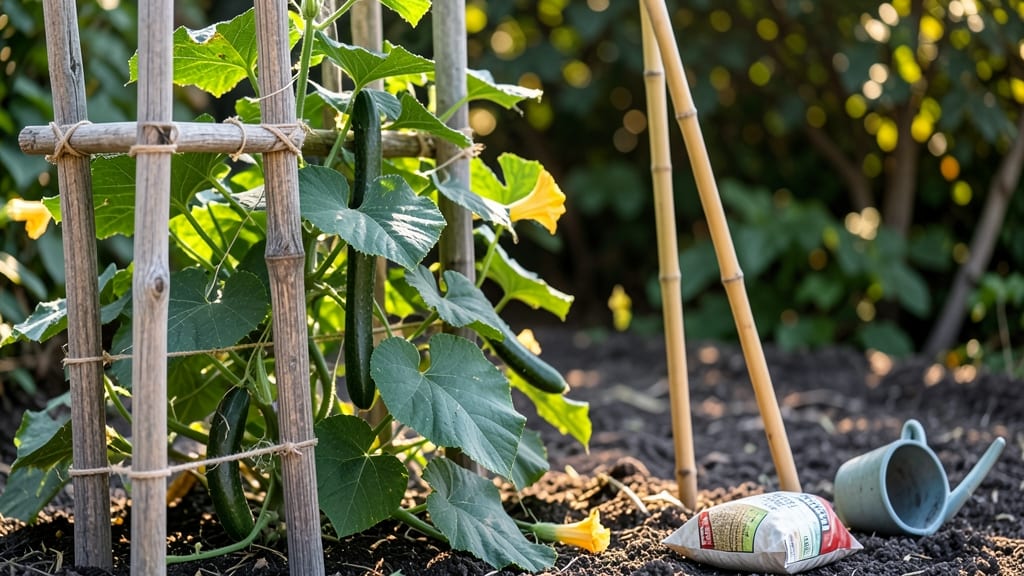
A DIY trellis for cucumbers can transform your garden into a vertical jungle of crisp, productive vines—without sacrificing your yard space. 🌱 Last summer, my sprawling cucumbers took over half the garden until I built a simple teepee trellis.
Suddenly, those same plants produced 30% more fruit while staying off the ground, cleaner and easier to harvest. The best part? You don’t need fancy materials—bamboo stakes, wooden slats, or even repurposed metal fencing work perfectly.
A sturdy design keeps vines off the soil, reducing rot and pests while improving airflow. My setup cost under $20 and took less than an hour to assemble, yet it’s held up through three harvests with zero wobble.
By the time your cucumbers start climbing, you’ll notice fewer yellowed leaves (no more mildew!) and fruit that stays cleaner and sweeter. The trellis also makes picking easier—no more bending over soggy soil. Plus, it looks intentional, not like a last-minute fix.
Works for any garden size, from balcony containers to full backyard plots. Here’s how to build yours—no carpentry skills required!
📚 In This Guide
- What you need
- Instructions
- Tips and common mistakes
- Wrapping up and next steps
What you need
- ● Trellis Base: 4 wooden posts (4x4 inches, 6–8 feet tall) or metal T-posts (for durability)
- ● 1–2 bags of concrete mix (for anchoring posts, if needed)
- ● Support Structure: 2x4 lumber (8–10 feet long, quantity depends on design—typically 4–6 pieces)
- ● 1x2 or 1x3 lumber (for crossbars, 6–8 feet long, 2–4 pieces)
- ● Wood screws (2–2.5 inches, 20–30 screws) or galvanized nails
- ○ Optional Upgrades: Twine, jute twine, or soft plant ties (for securing vines)
- ● Wire mesh (for a lattice-style trellis, 1–2 rolls)
- ● Galvanized hardware cloth (to deter pests)
- ● Measuring tape
- ● Saw (hand saw, circular saw, or miter saw)
- ● Drill/driver + drill bits
- ● Level (to ensure posts are straight)
- ● Post hole digger or shovel (for anchoring posts)
- ● Staple gun (if using wire mesh)
- ● Safety gear (gloves, goggles)
- ● Flat, stable ground (or a raised bed/container for smaller trellises)
- ● Sunny location (cucumbers need 6–8 hours of sunlight daily)
- ● Basic woodworking skills (or patience to follow step-by-step guides!)
Step-by-step instructions for building a DIY cucumber trellis
Here’s how to create a sturdy, space-saving trellis that keeps cucumbers thriving vertically.
🪴 Step 1: Gather Materials for a Sturdy Frame
For a 4-foot tall trellis that supports 4 cucumber plants, you’ll need two 8-foot long wooden stakes (2x4s), four 4-foot long bamboo canes or wooden slats, twine or soft garden wire, and a hammer or mallet. I prefer bamboo because it’s lightweight yet strong enough to handle the weight of heavy cucumbers. If using wood, treat it with a non-toxic sealant to prevent rot.
Measure and mark the stakes at 12-inch intervals—this creates horizontal rungs for the vines to climb. The first rung should be 6 inches from the bottom to allow space for the plant’s base. Pre-drilling small holes for the twine or wire makes assembly easier and prevents splitting the wood.
✂️ Step 2: Assemble the Trellis Structure
Drive the two stakes 18 inches apart into the ground, ensuring they’re plumb (perfectly vertical). Use a level to check alignment—uneven stakes will cause the trellis to lean. Once secure, attach the horizontal slats or bamboo canes between the stakes at each marked interval. Twist the twine tightly around the stakes and slats, or wrap the wire securely without cutting into the wood.
For extra stability, especially in windy areas, add diagonal braces between the top of the stakes and the ground. This creates a triangular support system, preventing the trellis from swaying. Test the structure by gently pushing it—it should hold firm without wobbling.
🌱 Step 3: Plant Cucumbers Near the Trellis
Before planting, loosen the soil around the trellis area to a depth of 12 inches and mix in compost to improve drainage and fertility. Cucumbers need full sun (6+ hours daily), so position the trellis where it won’t be shaded by taller plants or structures. Plant seeds or seedlings 6 inches from the trellis stakes, ensuring the strongest stems face the structure.
As the vines grow, gently weave or tie the main stems around the lowest rung using soft twine. Avoid wrapping the twine tightly—it should guide growth without restricting it. Prune side shoots (suckers) that form below the first few leaves to encourage upward growth and prevent overcrowding.
💧 Step 4: Maintain and Train Vines Weekly
Check the trellis every 5-7 days to ensure vines are securely attached and the structure remains stable. Cucumbers grow 1-2 feet per week, so you’ll need to adjust ties as they lengthen. Use soft fabric strips instead of wire for tying—it’s gentler on the vines and reduces the risk of damage.
Water at the base of the plant (not the leaves) to prevent fungal diseases like powdery mildew, which thrives in damp foliage. Mulch around the trellis with straw or shredded leaves to retain moisture and suppress weeds. Harvest cucumbers regularly—overripe fruit weighs down vines and stresses the plant.
☀️ Step 5: Adjust for Seasonal Changes
In hot climates, provide afternoon shade for the trellis to prevent scorching. In cool or rainy seasons, ensure the structure is drained and dry—excess moisture can rot the wood or bamboo. If using bamboo, replace any weakened or splintered pieces mid-season to maintain support.
By late summer, as vines mature, you’ll see heavy fruit clusters hanging near the top. Reinforce the top rung with additional twine or a small wooden crossbar to distribute the weight evenly. This prevents the trellis from bending under the load and ensures a bountiful harvest until frost.
Tips & tricks for perfect DIY cucumber trellises
These practical insights will help you build a trellis that lasts the entire growing season—and keeps your cucumbers thriving.
Material Selection: For the 4-foot tall trellis designed for 4 cucumber plants, I recommend using bamboo canes instead of wooden slats when possible. Bamboo is naturally resistant to rot and won't splinter over time like untreated wood, making it ideal for the 12-inch intervals between rungs. If you must use wood, choose cedar or redwood—both are naturally rot-resistant and don't require additional sealant treatment.
Assembly Precision: When marking your 8-foot stakes at 12-inch intervals for the horizontal rungs, use a carpenter's square to ensure perfect 90-degree angles at each mark. This creates a more stable structure than eyeballing it. The 6-inch clearance from the bottom is crucial—it prevents the trellis from crowding the plant's base and allows for proper root development near the soil.
Stability Check: Before planting, test your completed trellis by firmly pushing on the top rung while pulling down on the bottom. If you feel any wobble, add diagonal braces between the top of the stakes and the ground. This triangular reinforcement is what prevents the trellis from leaning or collapsing under the weight of heavy cucumbers later in the season.
Seasonal Adaptation: In hot climates, consider adding a lightweight shade cloth (available at garden centers) to the north side of the trellis during peak afternoon sun. This prevents leaf scorch while still allowing plenty of light for photosynthesis. For cool or rainy seasons, elevate the trellis slightly on bricks or concrete blocks to improve drainage and prevent rot at the base.
Pro Tips for Do It Yourself Trellis For Cucumbers
- These practical insights will help you build a trellis that lasts the entire growing season—and keeps your cucumbers thriving.
- Material Selection: For the 4-foot tall trellis designed for 4 cucumber plants, I recommend using bamboo canes instead of wooden slats when possible.
- Assembly Precision: When marking your 8-foot stakes at 12-inch intervals for the horizontal rungs, use a carpenter's square to ensure perfect 90-degree angles at each mark.
Frequently asked questions
Got questions about building your own cucumber trellis? Here are some of the most common ones—and their answers—to help you get started with confidence!
What’s the best time of year to build a DIY cucumber trellis?
Plant your cucumbers after the last frost when soil is at least 60°F (15°C). Build the trellis before planting—ideally 1–2 weeks ahead—to let the frame stabilize. If you’re growing in containers, assemble the trellis when you transplant seedlings (usually late spring or early summer).
How tall should my DIY trellis be for cucumbers?
Cucumbers need 5–8 feet of vertical space to thrive! If you’re short on room, opt for a 5–6 ft trellis (great for bush varieties like ‘Bush Champion’). For vining types (like ‘Straight Eight’), aim for 7–8 ft. Pro tip: Add a crossbar halfway up for extra support as vines grow heavier.
Can I use scrap wood or recycled materials for a trellis?
PVC pipes, bamboo stakes, or even old ladders
work beautifully—just ensure they’re sturdy and treated for outdoor use. Avoid pressure-treated wood if planting edibles directly in the soil (use it for frames instead). For a no-cost option, repurpose tree branches or sturdy sticks tied with twine or wire.
How do I keep cucumbers from falling off the trellis?
Weave vines gently through the trellis as they grow (use soft plant ties or old T-shirts). If fruits sag, add more support with twine loops or a second layer of netting. Watch for pests: Squash vine borers or aphids can weaken vines—inspect leaves weekly and treat with neem oil if needed.
What if my cucumbers still sprawl even with a trellis?
Some varieties (like ‘Armenian’ cucumbers) are naturally sprawling. Try pruning side shoots to encourage upward growth, or train vines with soft ties every 2–3 feet. For stubborn sprawlers, add a second trellis nearby or use a fan-trellis design (like a teepee) for broader coverage.
Wrapping up and next steps
Building your own DIY trellis for cucumbers is a rewarding way to maximize your garden space while keeping those vines happy and productive! 🌱 With just a few materials and a little creativity, you can transform even the smallest corner into a thriving vertical garden.
The best part? You’ll save money, reduce clutter, and enjoy fresher, healthier cucumbers all season long.
Now that you’re ready to roll up your sleeves, pick your favorite design and start building! Whether you go for a simple wooden frame, a sturdy A-frame, or even a repurposed ladder, your cucumbers will thank you with lush, sprawl-free growth. Happy gardening!